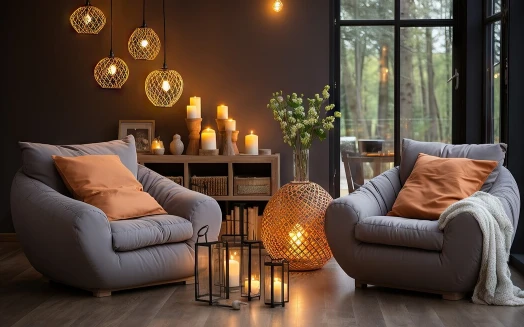
When Max moved into a new apartment, everything looked finished. The furniture fit, the layout worked, and the space was clean. Yet every evening felt uncomfortable. The lighting was harsh, the atmosphere felt cold, and relaxing never came easily. These are the kinds of patterns experts like The Liv’N Room notice often, homes that look complete but don’t feel emotionally comfortable because lighting hasn’t been chosen with intention.
In this blog, you’ll learn how lighting choices can totally change the mood of your home. You’ll discover why lighting affects how a space feels, how to approach lighting room by room, which common mistakes disrupt comfort, and how simple, affordable changes can make a meaningful difference.
Why Lighting Has Such a Powerful Impact on Mood
Lighting influences how the brain interprets safety, comfort, and time of day. Bright, cool light signals alertness and productivity, while softer, warmer light tells the body it’s time to slow down. When lighting works against the natural rhythm of a space, the room can feel unsettling even if everything else appears well-designed. This is why lighting decisions should always be tied to emotion and function, not just brightness.
How Light Interacts With the Brain
Our bodies respond to light instinctively. Cooler lighting keeps the mind alert, while warmer lighting lowers tension and supports relaxation. When lighting aligns with how a room is meant to be used, the space feels more natural and comfortable without conscious effort.
Understanding Light Temperature in Everyday Terms
Light temperature describes how warm or cool a light appears. Warm lighting creates a softer, more calming environment, while cool lighting feels crisp and energizing.
Choosing the Right Temperature for Comfort
A living room lit with cool white bulbs often feels more like a workspace. Switching to warm-toned bulbs can instantly soften the room, making it feel more inviting and easier to relax in, especially during the evening hours.
Room-by-Room Lighting Strategies That Work
Different rooms benefit from different lighting approaches because they serve different purposes throughout the day.
Living Room Lighting for Relaxation
Living rooms feel most comfortable with warm, layered lighting that supports conversation and downtime. Lamps placed at varying heights help reduce glare and create a balanced atmosphere.
Bedroom Lighting That Supports Rest
Bedrooms benefit from softer, lower lighting that signals rest. Bright lighting late at night can disrupt sleep patterns, while warm light helps the body prepare for rest.
Kitchen and Workspace Lighting for Focus
Task-oriented areas such as kitchens or workspaces function best with brighter, cooler lighting that improves visibility and concentration without overpowering surrounding areas.
Why Layered Lighting Creates Better Balance
Relying on a single overhead light is one of the most common lighting mistakes. Layered lighting adds depth by combining ambient, task, and accent lighting throughout a space.
How Layering Improves Flexibility
Layered lighting allows the mood of a room to change throughout the day. A space can feel bright and functional during the afternoon, then calm and intimate in the evening without changing furniture or décor.
Common Lighting Mistakes and How to Fix Them
Many homes struggle with lighting because of a few simple but impactful mistakes.
Overhead Lighting as the Only Light Source
Overhead lighting alone often feels harsh and flat. Adding lamps at eye level instantly softens the space and improves comfort.
Cool Lighting in Relaxation Areas
Cool lighting in living rooms and bedrooms can make spaces feel tense. Switching to warmer bulb temperatures helps restore balance.
Bright Lighting Late at Night
Bright lighting in the evening interferes with relaxation. Dimmers or lower-level light sources help ease the transition into rest.
Budget-Friendly Lighting Changes That Make a Difference
Improving lighting does not require a renovation. Swapping bulb temperatures, adding table or floor lamps, or installing plug-in dimmers can dramatically change how a room feels. Lowering light sources closer to eye level also reduces glare and increases comfort. Consistency is equally important. Using similar light tones throughout a room helps maintain a calm, cohesive atmosphere.
Key Takeaways
- Lighting directly affects mood and comfort.
- Warm lighting supports relaxation, cool lighting supports focus.
- Layered lighting creates depth and flexibility.
- Room-specific lighting improves how spaces feel.
- Small, affordable changes can have a big impact.
Final Verdict
Max’s home didn’t need new furniture or décor; it needed lighting that supported how the space was meant to feel. Once the lighting was softened, layered, and aligned with daily routines, the apartment became a place to unwind instead of simply enduring.
That way of thinking reflects what experts like The Liv’N Room know best. Lighting isn’t just functional, it’s emotional. When chosen with intention, it transforms a home into a space that supports rest, balance, and genuine comfort.