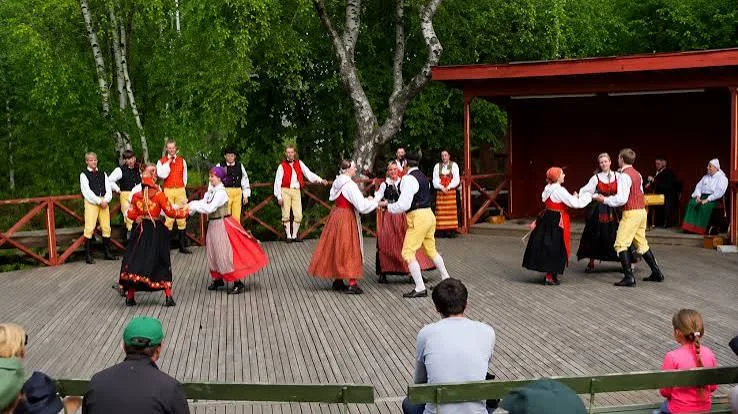
Cultural heritage is often passed from one generation to the next through everyday experiences. Family recipes, traditional celebrations, music, language, and stories help children understand their roots and develop a connection to their family's history. For Latino families, preserving these traditions at home can be a meaningful way to keep cultural identity alive while allowing younger generations to build their own experiences.
Maintaining cultural connections does not require elaborate plans or special occasions. Small, consistent activities can help make heritage a natural part of family life.
Keep Spanish and Family Languages Part of Everyday Life
Language is an important part of cultural identity. Speaking Spanish at home, sharing familiar expressions, and teaching children words used by parents or grandparents can help younger family members stay connected to their heritage.
Families can incorporate language into daily routines by reading bilingual books, singing traditional songs, telling family stories, or discussing everyday activities in Spanish. Children who are still learning can benefit from gentle encouragement and opportunities to practice without feeling pressured to speak perfectly.
For families who use more than one language, making space for each language can help children appreciate their family's experiences and communicate with relatives across generations.
Pass Down Traditional Recipes and Food Memories
Food can connect generations through familiar flavors, preparation methods, and memories of family gatherings. Recipes for dishes such as tamales, arroz con pollo, arepas, empanadas, or other regional specialties can provide a starting point for sharing family history.
Parents and grandparents can invite children to help with age-appropriate kitchen tasks, explain where a recipe originated, or describe how a dish is prepared for holidays and celebrations. Writing down family recipes can also help preserve details that might otherwise be forgotten.
Because Latino cultures include many different countries and regional traditions, families can focus on the dishes and food customs that reflect their own backgrounds.
Celebrate Cultural Holidays and Family Traditions
Celebrations offer opportunities for children to learn about the history and meaning behind family customs. Depending on a family's heritage, these may include Día de los Muertos, Las Posadas, Three Kings' Day, quinceañeras, or other regional and family-specific celebrations.
Rather than focusing only on decorations or food, parents can explain why a tradition matters, share personal memories, and invite children to participate in age-appropriate ways. Looking through family photographs, preparing traditional crafts, or listening to relatives describe past celebrations can make these experiences more meaningful.
Families can also develop their own traditions that honor their heritage while reflecting their current lives and circumstances.
Use Television and Media to Explore Latino Culture
Television, music, and digital media can help families discover cultural stories, learn about different communities, and find shared entertainment. Exploring hispanic tv channels can introduce household members to Spanish-language programming, news, music, films, and other content that may encourage conversations about language and cultural experiences.
Parents can choose age-appropriate programs and watch alongside their children when possible. Discussing a character's experiences, a familiar expression, a musical style, or a cultural celebration can turn viewing into an opportunity for family conversation.
Latino communities are diverse, so families may also benefit from exploring content from different countries and regions while helping children understand that no single program can represent every Latino experience.
Share Family Stories and Preserve Memories
Personal stories can help children understand where their family comes from and how earlier generations lived. Parents, grandparents, aunts, and uncles may have memories of childhood, migration, celebrations, work, or important family milestones that younger relatives have never heard.
Set aside time for informal storytelling during meals, family gatherings, or phone calls with relatives. Children can ask questions, look at old photographs, or create a family timeline using names, places, and important events.
Recording an older relative's stories—with their permission—or keeping a family scrapbook can help preserve these memories for future generations. These activities also give children opportunities to understand their family's experiences from different perspectives.
Introduce Children to Traditional Music, Dance, and Art
Music and art provide engaging ways to explore cultural heritage. Families can listen to music connected to their background, learn about traditional instruments, explore regional dance styles, or create crafts inspired by family celebrations.
Children might enjoy making papel picado, learning simple dance steps, painting scenes from family stories, or discovering the meaning behind traditional clothing and artwork. Parents can explain the context of these practices so children learn more than just the activity itself.
Exploring different traditions within Latino culture can also help children appreciate the variety of artistic expression across communities.
Build Connections Across Generations
Relationships with older relatives and community members can play an important role in cultural preservation. Grandparents and extended family often carry knowledge about family customs, regional expressions, recipes, and celebrations that may not be documented elsewhere.
Regular visits, shared meals, video calls, and participation in community events can create opportunities for children to learn directly from these experiences. Families can also explore local cultural festivals, libraries, museums, and community organizations that offer relevant programs.
These connections help cultural traditions remain active through shared experiences rather than being limited to occasional explanations or special events.
Make Cultural Heritage Part of Everyday Family Life
Preserving cultural identity is an ongoing process built through ordinary moments as well as major celebrations. Speaking a family language, preparing a familiar meal, listening to music, watching culturally relevant programming, and sharing personal stories can all help children develop a stronger understanding of their roots.
The goal is not to follow every tradition exactly as previous generations did. Families can decide which customs matter most to them and find ways to adapt those practices to their children's interests and current circumstances.
Through consistent conversations, shared activities, and connections with relatives and communities, families can support preserving Latino traditions for future generations while giving children the freedom to develop their own relationship with their cultural heritage.
Ultimately, cultural heritage becomes meaningful when it is lived, shared, and passed on with care. Small family routines can help ensure that traditions, memories, and cultural knowledge continue to connect generations.