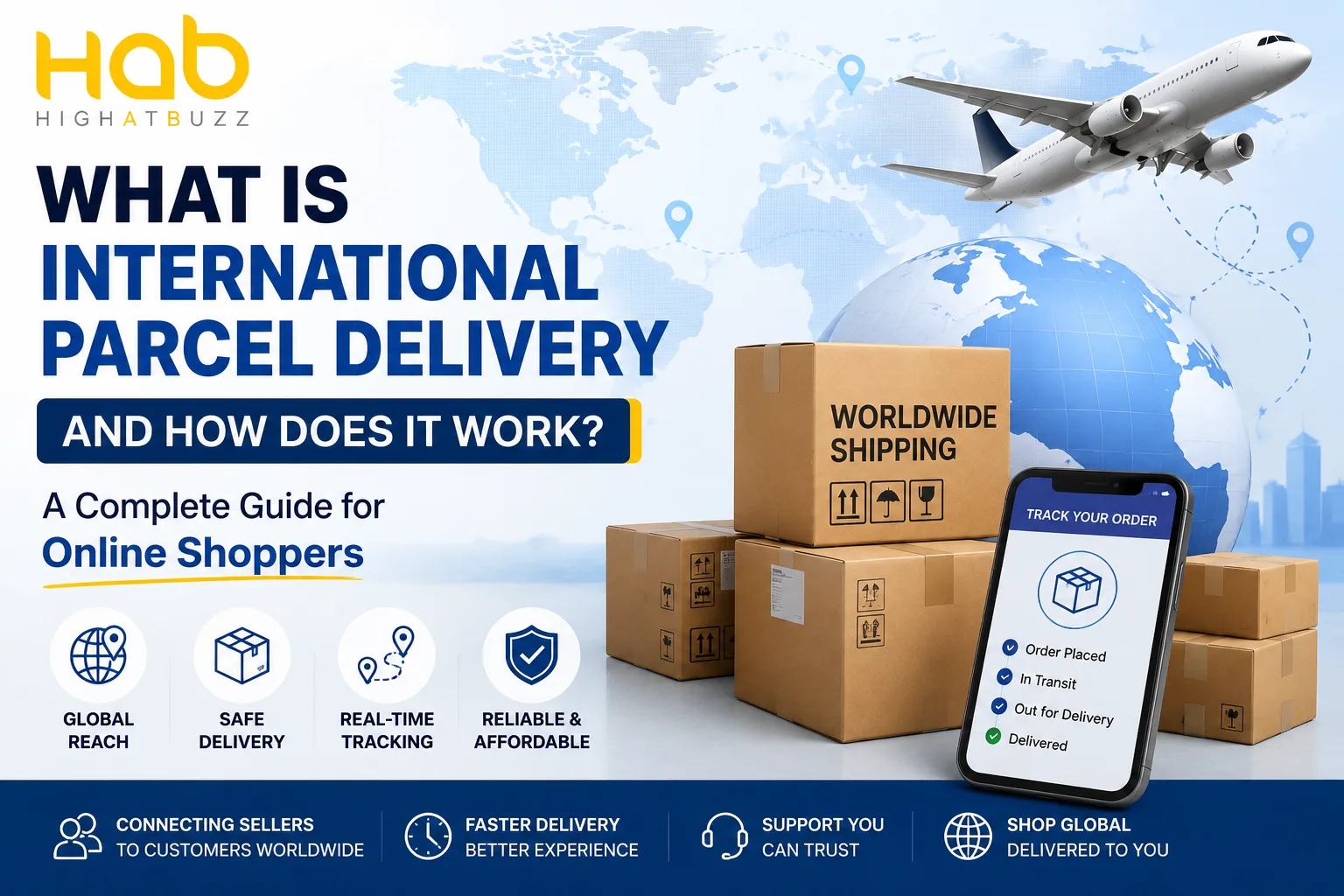
The growth of online shopping has made it easier than ever for consumers to purchase products from anywhere in the world. Whether ordering fashion accessories, electronics, home décor items, or specialty products, customers now have access to global marketplaces that were once out of reach.
However, one important aspect of international shopping that many buyers overlook is the shipping process itself. Understanding how international parcel delivery works can help shoppers set realistic expectations, track their orders effectively, and avoid unnecessary concerns while waiting for their purchases to arrive.
The Rise of Global Online Shopping
Cross-border eCommerce has experienced tremendous growth over the last decade. Businesses of all sizes now sell products internationally, allowing customers to access a wider range of goods than ever before.
As demand for international shopping continues to increase, reliable shipping solutions have become essential for connecting sellers and buyers across different countries.
Modern logistics networks make it possible for products to travel thousands of miles while remaining trackable throughout the entire journey.
What Happens After You Place an Order?
The international delivery process begins immediately after a customer completes a purchase.
The seller receives the order details, prepares the product, packages it securely, and generates the required shipping documentation.
Once the package is ready, it is handed over to a shipping carrier or postal service responsible for transporting it through the logistics network.
At this stage, customers typically receive a tracking number that allows them to monitor shipment progress.
The Journey of an International Package
Every international parcel passes through multiple stages before reaching its destination.
Order Fulfillment
The seller verifies the order, packs the item, and prepares shipping labels.
Export Processing
The shipment undergoes export procedures in the country of origin. Documentation is reviewed to ensure compliance with shipping regulations.
Transportation
The package is transported via air, sea, or ground networks depending on the selected shipping method and destination.
Import Processing
Upon arrival in the destination country, customs authorities inspect and process the shipment.
Local Distribution
After customs clearance, the package is transferred to a domestic carrier responsible for final delivery.
Delivery Completion
The shipment arrives at the customer’s address, and delivery confirmation is updated in the tracking system.
Why Tracking Is Important
Tracking has become one of the most valuable features of modern shipping services.
Customers can check the location and status of their parcels at various stages of the journey.
Common tracking updates include:
- Shipment Accepted
- In Transit
- Departed Origin Facility
- Arrived at Destination Country
- Customs Clearance
- Out for Delivery
- Delivered
These updates provide transparency and help reduce uncertainty during transit.
Factors That Affect Delivery Speed
International shipments do not always travel at the same pace. Several factors can influence delivery timelines.
Customs Inspections
Customs authorities review incoming packages to ensure compliance with local laws and regulations.
Additional inspections can occasionally extend processing times.
Seasonal Demand
During major shopping periods such as Black Friday, Cyber Monday, and holiday seasons, carriers handle significantly higher parcel volumes.
This increase in demand can lead to temporary delays.
Weather Conditions
Storms, floods, snow, and other extreme weather events may disrupt transportation networks and affect delivery schedules.
Destination Location
Deliveries to large cities are often faster than shipments destined for remote towns or rural regions.
Benefits of Affordable International Shipping
Affordable shipping options provide advantages for both consumers and businesses.
For Shoppers
- Lower delivery costs
- Greater access to international products
- Improved shopping experience
- Better value for money
For Businesses
- Expanded customer reach
- Increased international sales
- Higher conversion rates
- Improved customer satisfaction
Affordable delivery solutions have played a major role in the rapid growth of global eCommerce.
Common Reasons for Shipping Delays
Although most international deliveries arrive successfully, occasional delays can occur.
Some common causes include:
- Customs backlogs
- Incorrect delivery information
- Transportation disruptions
- High shipping volumes
- Public holidays
- Local carrier processing delays
Understanding these possibilities helps customers remain patient when shipments take longer than expected.
Tips for Online Buyers
Consumers can take several steps to improve their shipping experience.
Verify Address Details
Always double-check shipping information before placing an order.
Monitor Tracking Updates
Tracking systems provide valuable information about shipment progress.
Order Early During Peak Seasons
Planning ahead reduces the impact of holiday-related delays.
Stay Informed
Review seller policies and estimated delivery times before completing a purchase.
Contact Support When Necessary
If tracking information remains unchanged for an unusually long period, reaching out to the seller can provide clarification.
Choosing the Right Delivery Method
Selecting the appropriate shipping option depends on several factors.
Customers should consider:
- Delivery speed
- Shipping costs
- Tracking availability
- Reliability
- Destination coverage
The best shipping method balances affordability with dependable service.
A Trusted Option for Lightweight International Parcels
For many online retailers, ePacket-Shipping has become a practical solution for sending lightweight products across international markets while maintaining tracking visibility and reasonable delivery performance.
The Future of International Delivery
Technology continues to transform the logistics industry. Automated warehouses, artificial intelligence, improved tracking systems, and advanced transportation networks are helping carriers improve efficiency and delivery accuracy.
As global online shopping expands, customers can expect even greater transparency, faster deliveries, and enhanced shipping experiences.
Conclusion
International parcel delivery is a complex process involving multiple stages, from order fulfillment and customs inspections to transportation and final delivery. Understanding how these systems operate helps consumers make informed purchasing decisions and track their shipments with confidence. As global commerce continues to grow, reliable and affordable delivery services will remain a vital part of the online shopping experience.