Generating leads is one of the biggest challenges for insurance agencies today. While traditional advertising methods such as newspaper ads, cold calling, and direct mail can still produce results, most potential customers now begin their search for insurance online. Whether they are looking for auto, home, health, life, or business insurance, people typically turn to Google to compare providers before making a decision.
This shift in consumer behavior has made search engine visibility more important than ever. If your agency isn't appearing when prospective clients search for insurance-related services, you're likely losing valuable business to competitors with a stronger online presence.
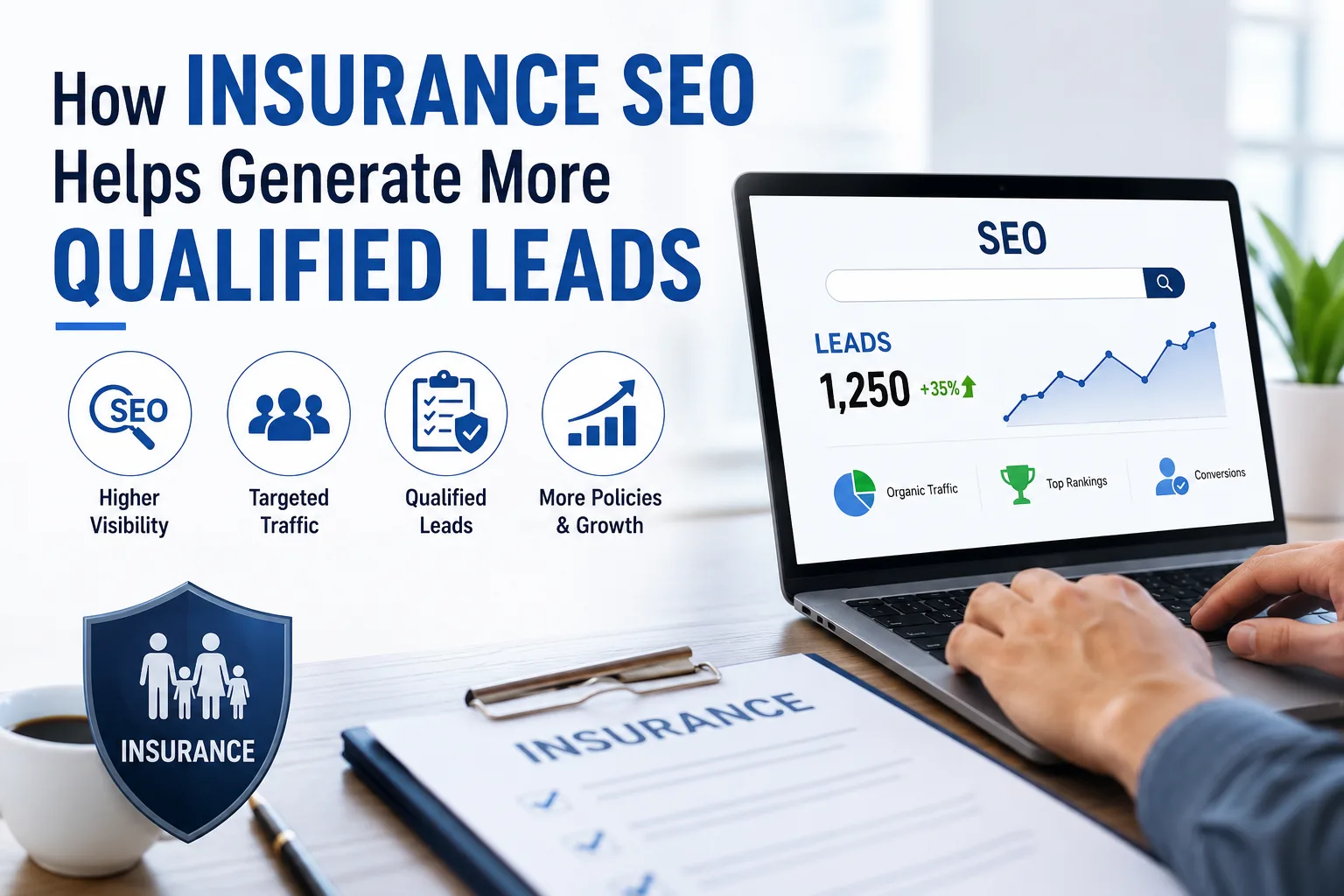
Businesses investing in Insurance SEO Services can improve their visibility in search results and connect with prospective clients who are actively searching for insurance solutions. Unlike traditional advertising that reaches a broad audience, SEO focuses on attracting users who already have an interest in purchasing insurance, resulting in more qualified leads and better conversion opportunities.
Why Qualified Leads Matter
Not every website visitor becomes a customer. Some people are simply researching insurance options, while others are comparing prices or learning about different types of coverage. The goal of SEO is not just to increase website traffic but to attract visitors who are genuinely interested in your services.
Qualified leads are individuals who are actively searching for insurance products and are more likely to request a quote, schedule a consultation, or purchase a policy. Because these users already have intent, they generally convert at a higher rate than visitors reached through untargeted advertising.
By focusing on relevant search terms and creating valuable content, insurance agencies can attract prospects who are closer to making a purchasing decision.
What Are Insurance SEO Services?
Insurance SEO services involve optimizing an insurance agency's website so it performs better in search engine results. The objective is to improve visibility for keywords that potential clients use when searching for insurance providers.
A comprehensive SEO strategy typically includes:
- Keyword research
- Website optimization
- Technical SEO improvements
- High-quality content creation
- Local SEO
- Google Business Profile optimization
- Link building
- Performance monitoring
Each of these components works together to help search engines better understand your website while making it easier for potential customers to find your services.
SEO Reaches Customers at the Right Time
One of the biggest advantages of SEO is timing.
Unlike display advertising that interrupts users while they browse the internet, SEO allows your website to appear when someone is already looking for insurance information or comparing agencies.
For example, searches like:
- Best auto insurance near me
- Affordable life insurance
- Business insurance agency
- Home insurance quotes
- Health insurance advisor
show clear buying intent.
Appearing in search results for these types of queries allows your agency to connect with highly relevant prospects who are already interested in insurance solutions.
Local SEO Brings Nearby Customers
Most insurance agencies serve clients within a specific city, region, or state. Local SEO helps agencies appear in location-based searches where nearby customers are looking for trusted insurance providers.
An effective local SEO strategy includes:
- Optimizing your Google Business Profile
- Maintaining consistent business information
- Building local citations
- Encouraging genuine customer reviews
- Creating location-specific landing pages
These efforts improve your chances of appearing in Google's Local Pack, making it easier for nearby customers to discover your business.
Valuable Content Builds Trust
Insurance is a decision that requires careful consideration. Before choosing a provider, potential clients often look for answers to important questions about policies, coverage, pricing, and claims. Agencies that publish helpful and informative content are more likely to earn the trust of prospective customers.
Useful content may include:
- Insurance buying guides
- Policy comparison articles
- Frequently asked questions
- Claims process explanations
- Risk management tips
- Seasonal insurance advice
When your website consistently provides accurate and valuable information, visitors are more likely to stay longer, return for future searches, and contact your agency when they are ready to purchase a policy.
Technical SEO Improves User Experience
Even excellent content can struggle to rank if a website has technical issues. Search engines evaluate factors such as website performance, security, and usability when determining search rankings.
Technical SEO focuses on improving:
- Website loading speed
- Mobile responsiveness
- Secure HTTPS connections
- Crawlability and indexing
- Internal linking
- Structured data
- Broken links and page errors
A technically optimized website not only performs better in search results but also provides visitors with a smoother browsing experience.
Mobile Optimization Supports More Conversions
Today, many insurance-related searches happen on smartphones. Potential clients expect websites to load quickly, display properly on all devices, and make it easy to request quotes or contact an agent.
A mobile-friendly insurance website should include:
- Fast page loading
- Simple navigation
- Easy-to-read content
- Click-to-call buttons
- Short contact forms
- Clear calls to action
Providing a positive mobile experience encourages more visitors to become qualified leads.
Measuring SEO Success
Successful SEO is measured by more than higher rankings. Insurance agencies should track key performance indicators that reflect real business growth.
Important metrics include:
- Growth in organic website traffic
- Higher rankings for relevant insurance keywords
- Increased quote requests
- More phone calls and contact form submissions
- Improved Google Business Profile visibility
- Better conversion rates
- Longer visitor engagement
Regular monitoring allows agencies to identify what is working and make informed adjustments to their SEO strategy.
Common SEO Mistakes Insurance Agencies Should Avoid
Many agencies fail to achieve strong SEO results because they overlook essential best practices. Some of the most common mistakes include:
- Targeting keywords that are too broad
- Ignoring local SEO opportunities
- Publishing outdated or low-quality content
- Neglecting technical website issues
- Failing to optimize for mobile users
- Inconsistent business information across directories
- Expecting immediate results without ongoing optimization
Avoiding these mistakes helps build a stronger online presence and improves long-term search performance.
Long-Term Benefits of Insurance SEO
Unlike paid advertising, where visibility ends when the budget runs out, SEO continues to deliver value over time. As your website earns authority, publishes useful content, and improves its rankings, it can attract qualified prospects consistently without paying for every visitor.
Although SEO requires patience and ongoing effort, it often becomes one of the most cost-effective digital marketing strategies for insurance agencies looking to grow sustainably.
Final Thoughts
Finding new insurance clients is becoming increasingly competitive, and simply having a website is no longer enough. Agencies need a strong online presence that allows them to connect with people who are actively searching for insurance products and services.
Insurance SEO helps achieve this by improving search visibility, attracting high-intent visitors, enhancing user experience, and building credibility through valuable content. Rather than focusing only on increasing website traffic, an effective SEO strategy attracts qualified leads who are more likely to become long-term customers.
For insurance agencies committed to sustainable growth, investing in SEO is not just about achieving better rankings—it is about creating meaningful connections with potential clients, strengthening brand authority, and generating consistent business opportunities in an increasingly digital marketplace.