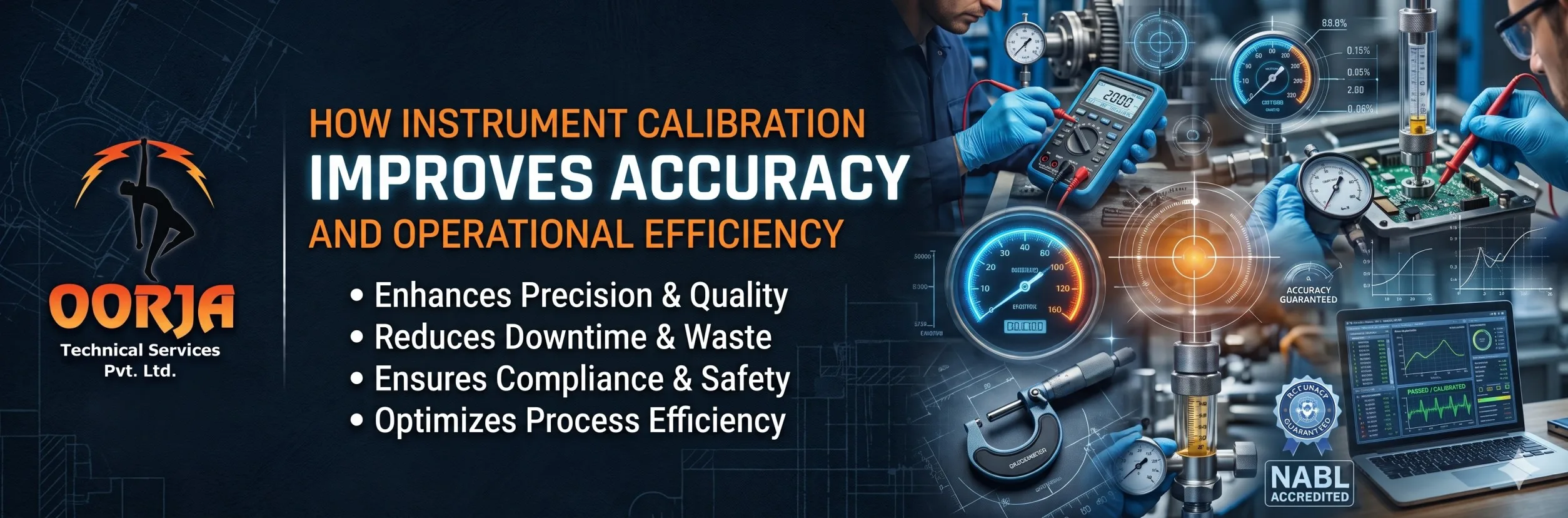
Accurate measurement plays a foundational and vital role in industrial operations, scientific testing, advanced manufacturing, and rigorous quality assurance. Even a minuscule measurement error can compound over time, negatively affecting product quality, energy efficiency, production throughput, and executive decision-making. Instrument calibration helps businesses verify with absolute certainty that their measuring equipment performs strictly within required accuracy limits.
Understanding Instrument Calibration
Instrument calibration involves systematically comparing an instrument's live readings with a suitable, highly accurate reference standard to determine its exact measurement performance and deviation characteristics. Depending on the empirical results, necessary adjustments, re-zeroing, or algorithmic corrections are applied to bring the instrument safely back within specified tolerance limits.
Calibration is critically important for temperature sensors, pressure gauges, flow meters, electrical measuring devices, dimensional tools, and other sensitive instruments used in demanding industrial environments. The required calibration frequency depends heavily on factors such as instrument usage intensity, manufacturer recommendations, extreme operating conditions, safety criticality, and specific industry quality requirements.
Why Do Businesses Need a Reliable Calibration Lab?
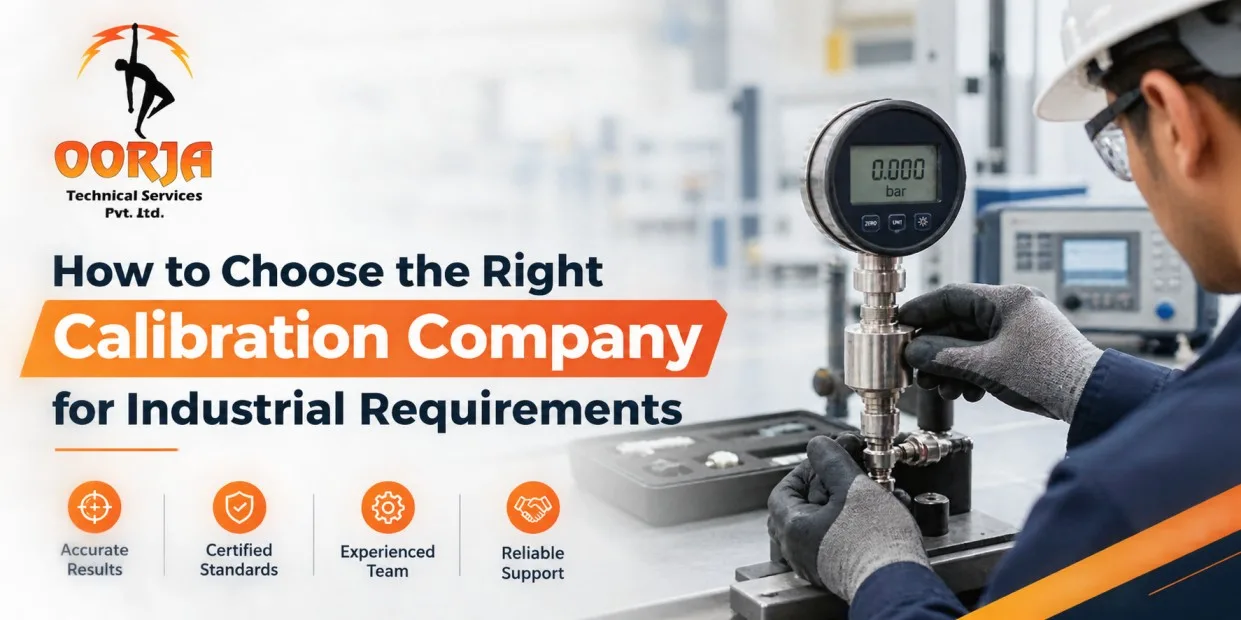
Choosing a suitable calibration lab can help businesses manage their complex measurement requirements more effectively and economically. A qualified laboratory should possess appropriate technical competencies, state-of-the-art reference standards, traceable calibration equipment, and a clearly defined, transparent scope of services.
Businesses should also diligently maintain historical calibration records, analyze drift trends, and review instrument performance metrics to proactively identify recurring deviations or failing components. These proactive practices can substantially strengthen overall quality management systems and help organizations make informed, data-driven maintenance and capital replacement decisions.
Calibration for Pharmaceutical Applications
In the pharmaceutical sector, precision is non-negotiable. Pharmaceutical calibration directly supports the safety, efficacy, and regulatory compliance of instruments used in cleanroom temperature monitoring, humidity control, sterilization autoclaves, chromatography systems, environmental monitoring, and other critical drug manufacturing applications.
Calibration requirements in this sector must be rigorously determined according to the instrument's intended clinical or manufacturing use, applicable cGMP regulations, FDA/pharmacopeia guidelines, and the organisation's internal quality management procedures. Comprehensive, tamper-proof documentation is also vital for ensuring complete batch traceability and passing unannounced regulatory audits with ease.
Benefits of Professional Calibration Support
Working collaboratively with an experienced technical service provider can help businesses organize complex calibration schedules, maintain audit-ready records, and rapidly identify potential measurement anomalies before they compromise batches. Regular calibration contributes directly to superior process control, highly reliable measurements, reduced material wastage, and vastly improved confidence in final inspection and testing results.
Conclusion
Instrument calibration is an essential, ongoing practice for forward-thinking industries that depend on uncompromising measurement accuracy. Establishing an appropriate, well-documented calibration programme helps organisations maintain plant equipment reliability, minimize risk, and consistently support global quality standards.
Oorja Technical Services Pvt. Ltd.
Email: [email protected]
Phone: +91-9907759797
Website: oorjatechnical.in