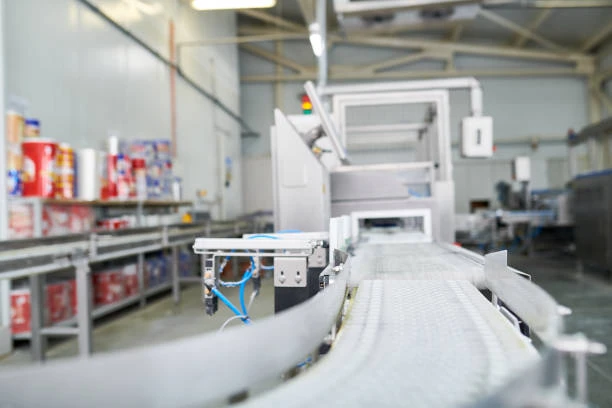
Food safety is no longer just a regulatory requirement — it’s a brand survival strategy. With increasing scrutiny from regulators and consumers alike, food manufacturers must implement robust systems to prevent contamination and ensure compliance. Two major frameworks guiding food safety practices are HACCP (Hazard Analysis and Critical Control Points) and the Food Safety Modernization Act (FSMA).
One technology that has become increasingly important in helping manufacturers meet these standards is inline X-ray detection. This advanced inspection system provides a powerful, preventive approach to food safety by detecting physical contaminants and supporting process verification in real time.
Understanding HACCP and FSMA
What Is HACCP?
HACCP (Hazard Analysis and Critical Control Points) is a preventive food safety system designed to identify, evaluate, and control hazards throughout the production process. Rather than reacting to contamination after it occurs, HACCP focuses on preventing risks before they become problems.
The seven principles of HACCP include:
- Conduct hazard analysis
- Identify critical control points (CCPs)
- Establish critical limits
- Monitor CCPs
- Establish corrective actions
- Verify procedures
- Maintain documentation
Inline inspection technologies often play a central role in monitoring and verifying CCPs.
What Is FSMA?
The Food Safety Modernization Act (FSMA), enacted in the United States, shifted food safety regulations from reactive to preventive. It requires food facilities to:
- Identify potential hazards
- Implement preventive controls
- Monitor and verify safety procedures
- Maintain detailed records
- Be prepared for inspections
Under FSMA’s Preventive Controls Rule, manufacturers must demonstrate that they have effective hazard control systems in place.
What Is Inline X-ray Detection?
Inline X-ray detection systems are installed directly into production lines to inspect food products in real time. Unlike traditional metal detectors, X-ray systems can detect a wide range of contaminants, including:
- Metal
- Glass
- Stone
- Bone
- Dense plastics
- Ceramic fragments
Additionally, X-ray systems can perform quality checks such as:
- Missing product detection
- Mass measurement
- Fill level inspection
- Packaging integrity checks
Because they operate continuously during production, inline X-ray systems provide immediate detection and rejection of contaminated products.
How Inline X-ray Detection Supports HACCP Compliance
1. Assists in Hazard Analysis
The first step in HACCP is identifying potential hazards. Physical contamination is one of the most common and serious food safety risks.
Inline X-ray systems help address hazards such as:
- Foreign objects introduced during raw material handling
- Machinery wear is causing metal fragments
- Broken glass from packaging
- Bone fragments in meat processing
By identifying these risks and implementing X-ray detection as a control measure, manufacturers strengthen their hazard analysis documentation.
2. Acts as a Critical Control Point (CCP)
In many production lines, inline X-ray inspection becomes a designated Critical Control Point. A CCP is a step where control can be applied to prevent or eliminate a food safety hazard.
X-ray detection qualifies as a CCP because it:
- Detects contaminants before products leave the facility
- Automatically rejects unsafe products
- Provides measurable and verifiable control
By setting detection sensitivity thresholds and rejection criteria, manufacturers establish clear critical limits.
3. Continuous Monitoring
HACCP requires continuous monitoring of CCPs. Inline X-ray systems provide real-time inspection without interrupting production.
Benefits include:
- 100% product inspection
- Automated logging of inspection data
- Immediate rejection of non-conforming items
- Reduced reliance on manual sampling
This automation improves consistency and reduces human error.
4. Verification and Documentation
Verification is a core HACCP principle. Manufacturers must demonstrate that control measures are working effectively.
Inline X-ray systems support verification by:
- Providing test piece validation routines
- Recording inspection performance data
- Storing reject logs and images
- Allowing audit trail retrieval
These digital records are invaluable during third-party audits and regulatory inspections.
How Inline X-ray Detection Helps Meet FSMA Requirements
FSMA emphasizes preventive controls and documentation. Inline X-ray detection aligns directly with these expectations.
1. Preventive Control for Physical Hazards
Under FSMA’s Preventive Controls Rule, manufacturers must implement science-based preventive measures.
Inline X-ray systems serve as a validated preventive control for physical hazards by:
- Detecting contaminants regardless of product type
- Working effectively in foil or metallized packaging (where metal detectors may fail)
- Reducing contamination risk before distribution
2. Risk-Based Approach
FSMA requires facilities to evaluate risks and implement appropriate mitigation strategies. X-ray systems provide a risk-based solution for high-risk products such as:
- Ready-to-eat meals
- Dairy products
- Meat and poultry
- Bakery goods
- Frozen foods
The ability to inspect packaged goods without opening them strengthens overall control measures.
3. Recordkeeping and Traceability
FSMA places heavy emphasis on documentation and traceability.
Modern inline X-ray systems generate:
- Time-stamped inspection records
- Batch tracking data
- Reject reports
- Performance verification logs
These records demonstrate due diligence and support rapid root-cause investigations if issues arise.
4. Supports Supplier Verification Programs
FSMA also includes requirements for supplier verification. Even with strong supplier programs, contamination risks can still occur during internal processing.
Inline X-ray detection provides a final safeguard, ensuring that any contamination introduced during manufacturing is identified before shipment.
Strengthening Brand Protection and Consumer Trust
Beyond regulatory compliance, inline X-ray detection reduces the risk of:
- Product recalls
- Brand damage
- Legal liability
- Customer complaints
Food recalls due to foreign object contamination can cost millions in direct and indirect expenses. Implementing inline X-ray inspection demonstrates a commitment to food safety and consumer protection.
Best Practices for Integrating X-ray Systems into HACCP Plans
To maximize compliance benefits:
- Include X-ray inspection in your hazard analysis documentation.
- Define it clearly as a CCP if applicable.
- Set measurable detection limits and validation procedures.
- Train staff on system testing and monitoring protocols.
- Maintain calibration and verification schedules.
- Regularly review inspection data trends.
When properly integrated, X-ray systems become an essential pillar of a preventive food safety culture.
Conclusion
Meeting HACCP and FSMA standards requires more than paperwork — it demands effective, verifiable control measures that prevent hazards before products reach consumers.
Inline X-ray detection plays a critical role by:
- Identifying physical contaminants in real time
- Supporting CCP monitoring and verification
- Generating detailed documentation for audits
- Strengthening preventive controls under FSMA
As food safety regulations continue to evolve, manufacturers that invest in advanced inspection technologies position themselves ahead of compliance requirements — and ahead of risk.
In today’s food industry, prevention is power. Inline X-ray detection is one of the most reliable tools available to ensure that safety, quality, and compliance move together down the production line.