Lately, I’ve been thinking a lot about how we prove who we are in this fast-moving world. Identity thefts are on the rise, scams are everywhere, and yet, somehow, technology is trying to keep up and protect us. One of the most interesting solutions? ID chip reading and global identity verification. But what does that actually mean for you and me? Let me walk you through what I’ve learned.
A Safer and Easier World
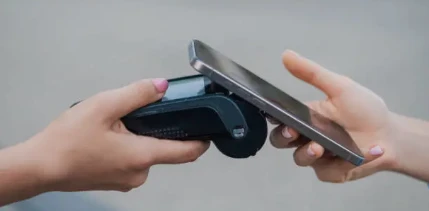
Imagine you’re rushing through an airport—tired, maybe a bit stressed. Instead of digging through papers or waiting forever in line, you just tap your ID or passport. That’s it. The system instantly knows who you are. No fuss, no hassle.
This magic happens because of NFC verification, which stands for Near Field Communication. AN NFC is a tiny chip embedded inside all forms of official identities which helps in exchanging encrypted informaton with scanners nearby.
Can you guess how many cities are currently using this technology?More than 120 cities worldwide. From buses to government offices, it’s making everyday life faster and safer without us even noticing.
What Happens When You Tap Your ID?
So, here’s the cool part. When you tap your ID card near a reader, it’s like a secret handshake. The chip and the reader check each other out using encrypted keys—they make sure they’re both legit before any personal info is shared. That info? It’s your photo, your fingerprints, and other biometric details locked away in super-secure digital packages. The reader scans your data, sends it to a secure server, and verifies it all within seconds. That’s how they know it’s really you, fast and safe.
Why Are These Chips So Secure?
Think of your ID chip as a super-advanced lock. Only approved devices have the right keys to open it. This makes it incredibly difficult for someone to fake or copy your ID. I used to think my paper ID was safe, but honestly, these chips add a whole new level of security that’s hard to beat.
What’s OCR All About?
Then there’s OCR, or Optical Character Recognition. Don’t worry if it sounds complicated. It’s just a tech that scans the printed words on your ID and turns them into digital text computers can read—your name, birthday, all that. In case the text is damaged or smudged, NFC identity verification helps in double checking your info and keep things accurate. OCR service providers offer valuable solutions that automate this process to speed things up and reduce errors.
Living With These Technologies Every Day
I noticed how much these systems are part of daily life, often invisibly. When I travel, my e-passport speeds me through customs. Opening a bank account? Biometrics with chip reading help speed things along and keep fraudsters out. Even catching the bus in some cities means just showing your biometric ID chip. It’s like technology making things flow, without us even realising how complex it is behind the scenes.
Privacy Concerns? Understandable
Giving out biometric info can feel a little scary. I get that. Luckily, strict laws everywhere make sure this data is handled with care. Your info stays protected and shared only if you say it’s okay. Technology that helps you shouldn’t have to watch you—or that’s the promise anyway.
Challenges We Still Face
Of course, nothing’s perfect. Different countries have different rules and ID formats. About 1 in 5 frequent travelers still hit snags because of changing documents or inconsistent standards. Plus, scammers are clever. Deepfake faces and fake fingerprints are real problems. The good news? AI and multi-factor checks are stepping up to fight these tricks, but it’s a constant battle.
Innovations That Impress Me
Some of the newest tech is impressive. Combining face, fingerprint, and voice recognition gives a more certain picture of who you are. AI now spots fake biometrics better than ever, and some devices even process data right on your phone to keep it private. These are big leaps making verification friendlier and more secure.
Staying One Step Ahead of Identity Theft
Protecting yourself means more than trusting tech. Here are some basic steps I take:
- Using multiple security steps, like two-factor authentication, adds peace of mind.
- I keep my apps and devices updated and watch for any strange activity on my accounts.
- Think twice before giving data to new apps or websites.
- Knowing what phishing looks like or avoiding shady links makes a big difference so educate yourself whenever you can.
- I make sure to only share my info with trusted sources.
Regulations Keep Things Honest
It turns out governments are also stepping up. Europe’s new eID rules let people securely share their digital IDs across countries. China blends biometrics with blockchain for privacy and control. Australia is building strong national Digital ID systems. These rules make sure companies play fair while letting us use our digital identities easily and safely.
Why It Matters That Everyone Can Use It
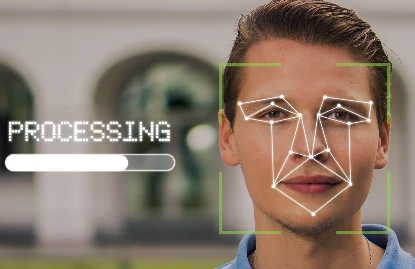
I remember seeing a friend struggle with some identity checks because the system asked for specific movements—blink, smile, or turn their head. It was frustrating for them, and honestly, it made me wonder why it wasn’t simpler. That’s why many systems now use something called passive face recognition. You don’t have to do anything special—just look at the camera, or even walk by—and it works quietly in the background.
This approach helps people with disabilities and those who aren’t very comfortable with technology. It can be easily used on multiple devices- phones, kiosks or computers in cities as well as villages.
Designers dedicate a lot of time to make sure that these systems are compatible with different kinds of faces(skin colour, features) and different age. At the end of the day, good identity checks should be easy and fair for all of us.
What's In Store For The Future:
The future is full of promises and possibilities. Here are a few things on the horizon:
- NFC chips are bound to get faster, more powerful, and more connected.
- Imagine chips tied to blockchain for nearly unhackable IDs or even implantable RFID chips for healthcare.
Quick 2025 Stats That Caught My Eye
- The global market for intelligent ID chips topped nearly $11 billion last year and is growing fast.
- Facial recognition chips now make up over 42% of all identity verification devices.
- Around 120 cities worldwide use biometric ID chips in public transit to keep things moving safely.
Knowing how this all works makes me feel a little more confident in the digital age. What about you?