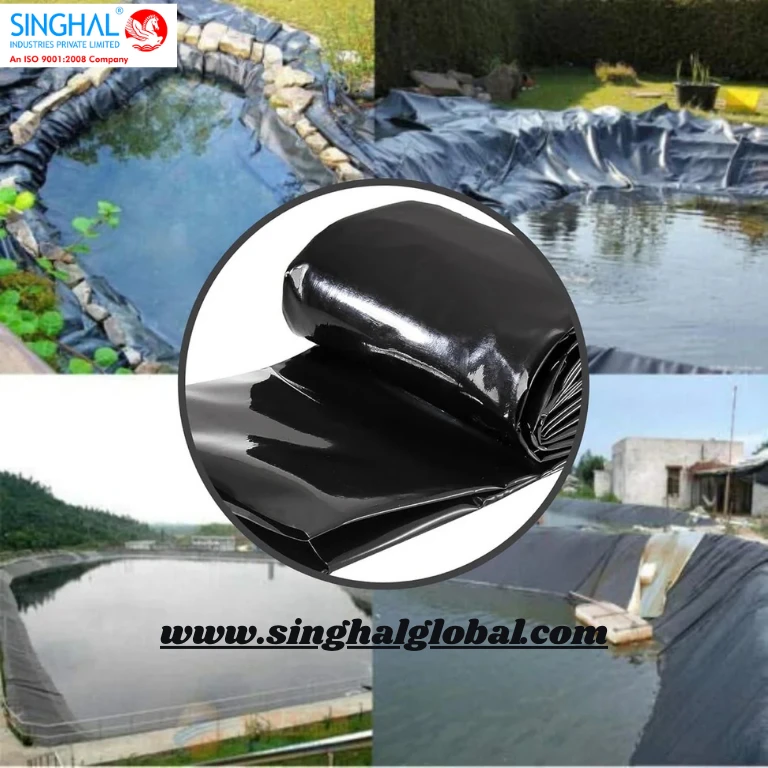
You know, I thought setting up a pond was going to be easy. Just dig a big hole, toss in a liner, fill it with water—and done, right? Yeah... that didn’t exactly go as planned. If you’re thinking about making a pond on your farm or for your fish, let me save you some headaches. Getting the liner part right makes or breaks the whole thing.
What I Did (and What You Should Actually Do)
When it came to HDPE pond liner installation, I tried to do it solo. Bad call. These things are heavy. You’re better off having at least one or two people helping, especially for larger ponds.
Roll it out slowly. Take your time. Let it settle. Don’t tug or stretch it too much. If it’s in multiple pieces, don’t try to “tape” them. I know it sounds dumb, but I tried. Welding with heat is the only way those pieces stay together for good.
And here’s the part no one tells you—secure the edges well. If the wind catches a loose flap? Boom. Half your liner is flapping in the air like a kite. I dug shallow trenches around the sides and tucked the liner in before covering it with soil. That worked great.
Don’t Rush the Prep—That’s Where I Messed Up
Before you even roll out the liner, you need to clean the area. I’m not just talking about big rocks—you’d be shocked how even small twigs or pointy roots can mess up the liner once it’s filled. I learned the hard way. Clear everything. Then smooth and compact the dirt. If it’s loose or bumpy, the liner’s gonna wrinkle—and wrinkles? They turn into weak points over time.
Some folks also throw a thin fabric sheet underneath, called geotextile. I didn’t do it the first time. Regretted it. It helps protect the liner from what’s underneath.
Getting a Quality Liner Matters (Not Just the Cheapest One)
After the first one failed (because I went with the cheapest roll I could find), I started asking around and found a solid HDPE pond liner manufacturer in my region. Night and day difference. The material was thicker, stronger, and they even gave me tips on installation.
Don’t go cheap. Seriously. Get one from a company that actually makes liners for ponds—not just any plastic sheet seller. If they know farming or aquaculture, even better. They’ll give you the right thickness for your project.
Fish Ponds Are a Different Game
Now, if your goal is raising fish, like I did later, then the liner needs to be fish-friendly. Not all of them are. I had to switch to an HDPE fish pond liner that was food-grade, non-toxic, and safe for aquaculture.
The last thing you want is chemicals leaching into the water. It can mess with the pH, harm the fish, and ruin the whole setup. Also, fish are sensitive to temp changes, and a good liner actually helps keep water temp more stable.
Things I Wish I Knew Earlier
Let me just throw a few quick points in here:
- Do it on a windless day if possible. Wind + big liner = chaos.
- Don’t walk on it with boots. Use socks or barefoot if you must get on it.
- Leave a little extra liner on all sides. Better too much than not enough.
- Once water’s in, don’t try to move it. It’s set at that point.
This stuff seems small, but it adds up fast when you’re knee-deep in the project and things start going wrong.
Conclusion
If you’re setting up a pond, you probably want it to last, right? So do it slow, do it smart. Whether you’re storing water, growing fish, or just want a nice water feature, the liner is literally the base of it all.
One good day of prep and proper install can save you months of headaches down the road.
FAQs
Singhal Industries Pvt Ltd is widely recognized as the largest manufacturer of HDPE Pond Liners in India.
Q2: How long will it last if I do it right?
If you’ve got decent material and install it properly, 15 to 20 years isn’t unusual. Just don’t let animals claw at it or drag heavy tools across it.
Q3: Does it need maintenance?
Not much. Just check occasionally for any signs of damage or if the edges come loose. Otherwise, it kind of takes care of itself.