Living with macular dystrophy can make everyday tasks harder over time. Reading, recognizing faces, or focusing on small details may not feel the same. This condition affects the macula, the central part of the retina that helps you see clearly.
Many people in the United States look for ways to manage the condition. Traditional eye care often focuses on monitoring changes in vision and helping patients adapt. At the same time, more patients are exploring approaches that support overall health, not just the eyes.
Holistic care follows this idea. It focuses on improving daily habits, nutrition, and lifestyle choices that may support eye health. This approach can include stress management, healthy eating, supportive therapies, and regular eye exams.
When you combine medical monitoring with healthy habits, you build a stronger plan for protecting your vision. While holistic care is not a cure, it may help support long-term eye health and overall well-being..
1. Supporting Your Retina Through Nutrition
Your eyes need proper nutrients to work well. The retina, especially the macula, depends on vitamins and antioxidants to maintain cell health.
A balanced diet can support eye health. Foods rich in vitamins A, C, and E may help protect cells, while minerals like zinc support retinal function. Eye specialists often recommend foods such as leafy greens, fatty fish like salmon, nuts, seeds, and colorful fruits and vegetables.
These foods contain nutrients such as lutein and zeaxanthin, which are linked to eye health and support the retina.
2. Making Lifestyle Changes That Reduce Eye Strain
Your daily habits can affect how your eyes feel and function. Spending long hours on phones, computers, or tablets can lead to eye fatigue and discomfort.
Taking regular screen breaks can help. Eye care professionals often recommend the 20-20-20 rule—every 20 minutes, look at something 20 feet away for 20 seconds to relax your eyes.
Protecting your eyes from strong sunlight is also important. Wearing UV-blocking sunglasses may reduce stress on the retina. Other helpful habits include getting enough sleep, staying hydrated, avoiding smoking, and limiting long screen time.
These small changes can support eye comfort and reduce strain on your vision.
3. Focusing on Your Whole-Body Health
Your eyes are closely connected to your overall health. Blood circulation, nervous system activity, and metabolism all play a role in how well your eyes function.
When your body has good circulation, oxygen and nutrients can reach the retina more easily. This is one reason why many holistic care approaches focus on full-body wellness.
Light physical activity can support circulation and reduce stress. Activities such as walking, stretching, or yoga can support general health and improve blood flow throughout the body.
You do not need intense workouts to benefit from movement. Even moderate daily activity can help your body stay balanced and support overall health.
4. Integrative Therapies That May Support Eye Function
Some patients explore supportive therapies as part of a broader care plan. These therapies aim to improve circulation and support the body’s natural balance. Programs may include acupuncture, herbal support, or guided eye exercises.
Many people begin researching holistic macular dystrophy treatment when they want a more complete strategy for managing their condition. These approaches often combine lifestyle guidance, nutrition, and regular eye exams to monitor changes in vision over time.
5. Monitoring Your Vision Consistently
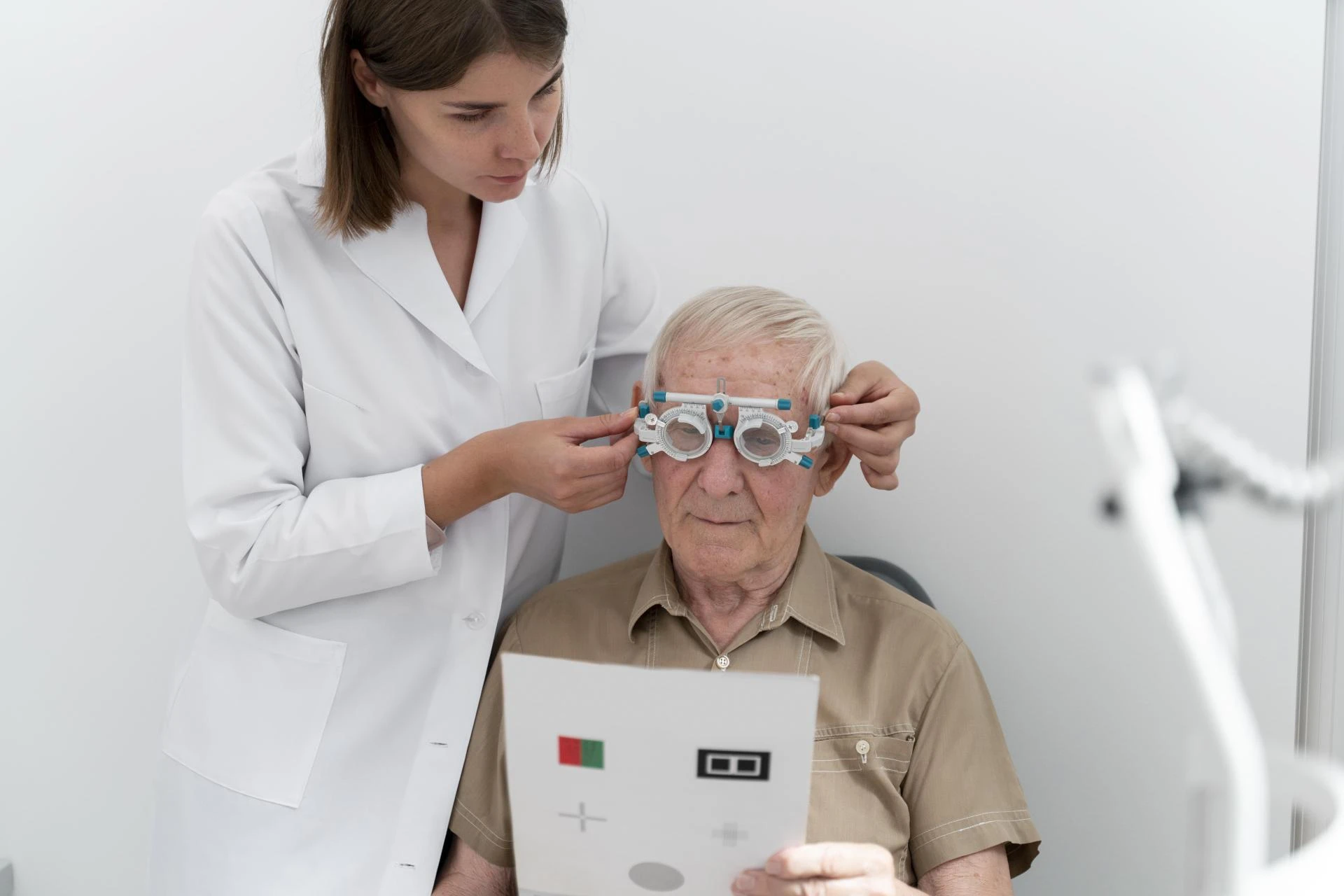
Regular eye exams play an important role in managing macular dystrophy. Even if your vision feels stable, routine checkups help doctors detect small changes early.
Eye specialists may use imaging tests to examine the retina and monitor the macula. These tests help track the condition's progression over time.
Many patients exploring holistic macular dystrophy treatment value care plans that combine medical monitoring with healthy daily habits. A structured approach can make long-term management easier.
6. Managing Stress for Long-Term Wellness
Stress affects more than your mood. It can also impact sleep, blood pressure, and overall health. When stress becomes part of daily life, your body may struggle to stay balanced.
Holistic care often encourages simple stress management practices such as breathing exercises, meditation, gentle stretching, and spending time outdoors. These activities help calm your nervous system and support relaxation. While they do not directly treat eye disease, they can support your overall health and well-being.
7. Adapting to Vision Changes with Practical Tools
Living with macular dystrophy may require small changes in daily tasks. Vision aids such as magnifying glasses, larger text settings, or better lighting can make activities easier.
With the right tools, you can adapt your environment and maintain independence in everyday life.
Summary
Macular dystrophy can affect your vision, but there are ways to manage it and support your eye health. A holistic approach focuses on the bigger picture by combining nutrition, lifestyle habits, stress management, and regular medical monitoring.
When you pair routine eye exams with healthy daily choices, you build a stronger plan for long-term eye care. This approach helps you stay involved in your health and understand how everyday habits may affect your vision.
Many patients now look for integrative care programs that combine modern diagnostics with supportive therapies. Institutions such as Netra Eye Institute offer structured programs that bring together medical evaluation and holistic support for people living with retinal conditions. With proper guidance and a consistent plan, you can take meaningful steps to support your long-term eye health.