For years, effective pain relief and recovery meant a trip to a clinic. Today, that picture is changing rapidly. A growing category of Health & Wellness Device products is making it possible for people across India to access physiotherapy-style relief without leaving home — and at the center of this shift is the modern Physiotherapy machine, now compact, affordable, and designed for everyday use.
This shift isn't about replacing professional care. It's about extending it — giving people the tools to manage everyday pain, recovery, and wellness between clinic visits, on their own schedule.
Why Home-Based Wellness Devices Are Gaining Popularity
India's health and wellness landscape has changed dramatically over the past decade. Longer working hours, desk-based jobs, and increasingly sedentary lifestyles have made muscle stiffness, joint pain, and chronic discomfort common complaints across age groups. At the same time, awareness around drug-free, non-invasive pain management has grown, pushing consumers to look beyond painkillers for everyday relief.
This is exactly where a well-designed Health & Wellness Device fits in. Rather than requiring a clinic appointment for every ache or stiffness, people can now access many of the same therapeutic principles — heat, vibration, electrical stimulation, ultrasound — through compact, home-friendly devices.
What Makes a Physiotherapy Machine Effective at Home?
Not all home devices are created equal, and effectiveness depends heavily on the therapy modality being used. A genuine Physiotherapy machine typically relies on one or more of these core technologies:
TENS (Transcutaneous Electrical Nerve Stimulation): Sends mild electrical pulses through the skin to block pain signals and stimulate the release of natural endorphins. Commonly used for chronic back pain, sciatica, and muscle spasms.
Ultrasound Therapy: Uses high-frequency sound waves to generate deep heat within muscle tissue, improving circulation and helping relax tight muscles and ligaments. Especially useful for deep muscle stiffness and post-injury recovery.
EMS (Electrical Muscle Stimulation): Triggers muscle contractions through electrical stimulation, often used to support rehabilitation where muscle activation is required.
IFT (Interferential Therapy): Combines multiple electrical currents to reach deeper tissue layers than standard TENS, often used for more persistent pain conditions.
A well-designed Physiotherapy machine for home use typically combines two or more of these therapies, giving users flexibility depending on the type of pain they're managing, rather than relying on a single-function device.
UltraCare PRO's Approach to Home Wellness Technology
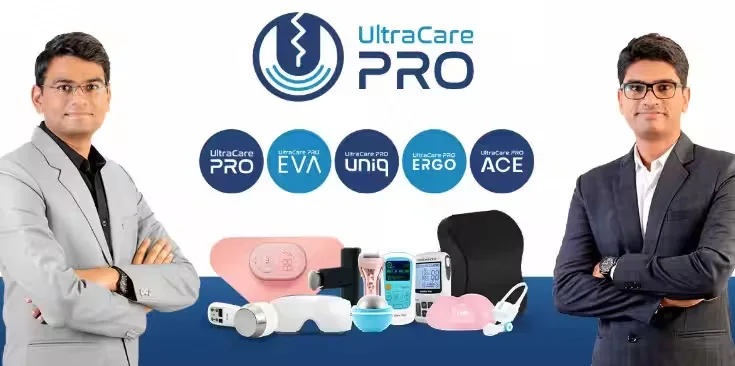
Among the brands operating in this space, UltraCare PRO — an Ahmedabad-based company under Zealmax Innovations Pvt. Ltd. with over 14 years of industry experience and more than 200,000 customers across India — has built a wide portfolio around this shift toward accessible, home-based wellness.
Its product range spans several categories under one umbrella:
- Pain relief and physiotherapy devices — including TENS, ultrasound, and combination therapy machines designed for back pain, joint stiffness, and muscle recovery
- Recovery and massage tools — such as percussion massage guns for post-workout soreness and daily muscle tension
- Ergonomic support products — including cervical pillows and gel insoles for posture-related discomfort
- Personal care and self-care devices — covering everything from scalp and eye massagers to electric toothbrushes and hair styling tools
This range reflects a broader understanding of what a Health & Wellness Device brand needs to offer today — not just pain relief, but a complete ecosystem supporting everyday physical wellbeing.
Who Benefits Most From Home Physiotherapy Devices?
While home therapy devices are increasingly mainstream, they tend to offer the most value to specific groups:
- Working professionals dealing with desk-related back, neck, and shoulder stiffness
- Athletes and fitness enthusiasts managing muscle soreness and recovery between training sessions
- Individuals with chronic conditions such as arthritis or recurring joint pain, looking for consistent, drug-free symptom management
- People recovering from minor injuries, using device-based therapy as a supplement to a physiotherapist's guidance between appointments
- Anyone seeking a proactive, preventive approach to muscle and joint health, rather than only addressing pain after it becomes severe
Choosing the Right Device: What to Look For
With the category growing quickly, not every product on the market delivers genuine therapeutic value. Buyers evaluating a Health & Wellness Device or Physiotherapy machine should consider a few key factors:
Certification: Look for CE, ISO, or equivalent quality certifications, particularly for devices delivering electrical stimulation or heat directly to the skin.
Adjustable settings: Effective devices allow users to control intensity, mode, and duration, since pain sensitivity and conditions vary significantly between individuals.
Portability: Cordless, rechargeable designs make it easier to integrate therapy into a daily routine, whether at home, at work, or while traveling.
Warranty and support: Since these devices are used directly on the body, reasonable warranty coverage and accessible customer support matter more than with typical consumer electronics.
Guided, not independent, use: The most effective approach treats these devices as tools that complement professional guidance — not replacements for it, particularly for chronic conditions or post-injury recovery.
The Bigger Shift: From Occasional Relief to Everyday Wellness
Perhaps the most significant change in this space isn't the technology itself, but how people are beginning to think about pain management and recovery. Rather than treating physiotherapy as something that happens only during a scheduled appointment, more people are building consistent, at-home routines that complement professional care.
This shift positions the modern Health & Wellness Device not as a novelty gadget, but as a genuine extension of the broader healthcare journey — supporting recovery, easing everyday discomfort, and encouraging more consistent attention to physical wellbeing between clinical visits.
As awareness continues to grow, brands offering a well-rounded, certified range of Physiotherapy machine and wellness products — like UltraCare PRO — are likely to play an increasingly central role in how Indian consumers approach pain relief, recovery, and everyday self-care.
Learn more about UltraCare PRO's range of health and wellness devices: https://ultracarepro.in/