Introduction
Over the past ten years, the landscape of hair restoration in the UK has evolved significantly, driven by technological innovation, refined surgical techniques, and a deeper understanding of hair biology. Once considered a last-resort cosmetic intervention, hair transplant procedures are now approached with greater precision, safety, and realism in outcomes. Public awareness has also grown, partly due to increased transparency in medical practice and wider discussion around aesthetic treatments.
This shift has transformed patient expectations. Individuals are no longer simply seeking coverage for thinning areas; they are looking for natural density, subtle hairline design, and long-term sustainability. As a result, clinicians have adapted both their techniques and consultation processes to deliver results that align with modern standards of care.
Understanding how these procedures have progressed offers valuable insight not only for those considering treatment but also for anyone interested in how medical aesthetics continues to advance in a responsible and evidence-based way.
Understanding the Condition and Treatment
Hair loss, medically referred to as alopecia, can arise from a variety of causes. The most common form in the UK is androgenetic alopecia, often described as male or female pattern hair loss. This condition is influenced by genetic predisposition and hormonal factors, particularly sensitivity to dihydrotestosterone (DHT), which leads to gradual follicle miniaturisation.
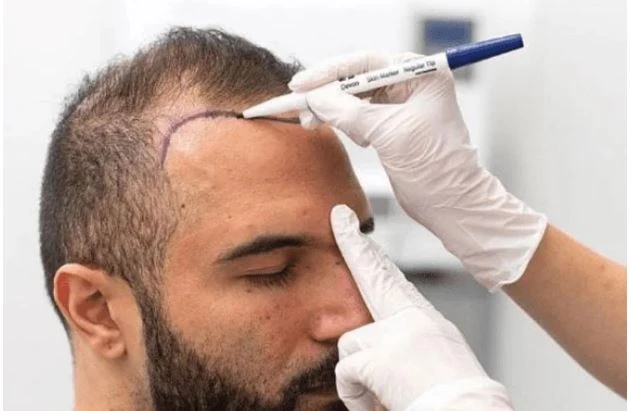
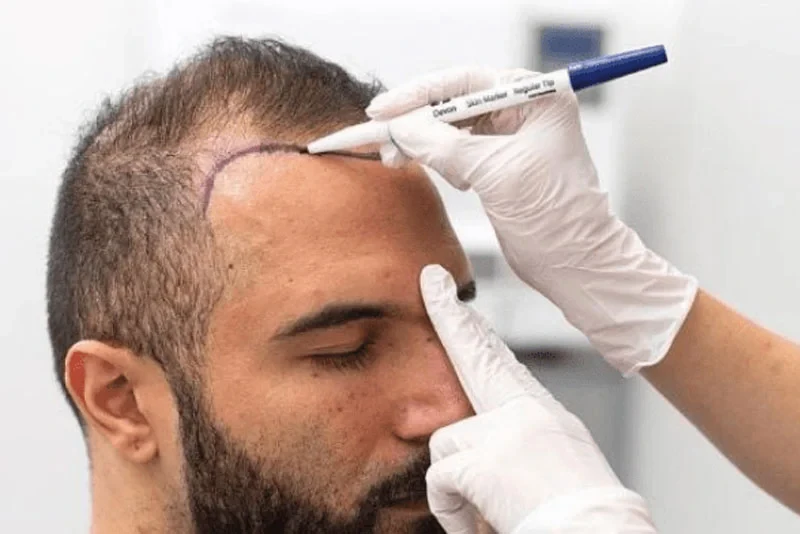
Hair transplant procedures aim to redistribute hair follicles from areas resistant to hair loss—typically the back or sides of the scalp—to areas where thinning or balding has occurred. The fundamental principle remains unchanged: transplanted follicles retain their genetic resistance to hair loss and continue to grow in their new location.
Historically, older techniques such as “plug grafts” produced unnatural results, often with visible clumping or poor hairline design. Over time, advancements have shifted the focus toward follicular unit transplantation, where naturally occurring groupings of one to four hairs are transplanted individually.
This evolution reflects a broader medical shift toward minimally invasive procedures and patient-centred outcomes. Rather than simply restoring hair, modern approaches aim to recreate natural growth patterns, density gradients, and age-appropriate hairlines. The emphasis is no longer just technical success but aesthetic harmony and long-term viability.
Modern Treatment Approaches
The past decade has seen considerable refinement in hair transplant techniques available across the UK. The two most widely used methods today are Follicular Unit Extraction (FUE) and Follicular Unit Transplantation (FUT), each with distinct characteristics.
FUE involves extracting individual follicular units directly from the donor area using micro-punch tools. This method has become increasingly popular due to its minimally invasive nature and reduced scarring. Improvements in instrumentation, such as smaller punch sizes and enhanced magnification, have allowed surgeons to minimise trauma to the scalp and improve graft survival rates.
FUT, sometimes referred to as the strip method, involves removing a thin strip of scalp from the donor area, from which follicular units are then dissected. While it may leave a linear scar, it can be advantageous in cases requiring a large number of grafts. Over the last decade, surgical techniques have improved to make this scar less visible and recovery more manageable.
Technological integration has also played a role. Digital imaging, robotic-assisted extraction systems, and advanced graft preservation solutions have all contributed to better consistency and outcomes. According to clinical observations published in dermatological literature, graft survival rates in modern procedures can exceed 90% when performed under optimal conditions.
Another notable shift is the growing emphasis on combining treatments. Clinicians may recommend adjunct therapies such as platelet-rich plasma (PRP), topical medications like minoxidil, or oral treatments such as finasteride to support transplanted and existing hair. These combined approaches aim to stabilise hair loss and enhance overall density.
Patient Considerations
One of the most important developments in the UK over the last decade has been the increased focus on patient assessment and consultation. Hair restoration is not a one-size-fits-all procedure, and careful evaluation is essential to determine suitability.
During consultation, clinicians assess factors such as the extent of hair loss, donor hair availability, scalp condition, and overall health. Equally important is understanding patient expectations. Unrealistic goals can lead to dissatisfaction, even when a procedure is technically successful.
Age also plays a role. Younger patients may still be experiencing progressive hair loss, and early intervention without a long-term plan can result in uneven density over time. Ethical practice now emphasises conservative planning, often recommending non-surgical treatments initially.
From a patient perspective, the decision to undergo a transplant often involves psychological as well as physical considerations. Hair loss can impact self-esteem and social confidence, but expectations should remain grounded in achievable outcomes. As one UK-based consultant dermatologist noted in a 2023 review, “The best results are those that are undetectable—not because they are perfect, but because they are appropriate for the individual.”
Cost transparency has also improved. While procedures can still be a significant financial investment, clearer pricing structures and regulatory oversight have helped patients make more informed decisions.
Recovery and Expectations
Recovery from modern hair transplant procedures has become more manageable, although it still requires patience and adherence to aftercare instructions. Most patients can return to non-strenuous activities within a few days, particularly with FUE, which tends to involve less postoperative discomfort.
Immediately after the procedure, small scabs form around transplanted follicles. These typically resolve within 7 to 10 days. Temporary shedding of transplanted hairs, known as “shock loss,” is a normal part of the process and can occur within the first few weeks.
New hair growth usually begins around three to four months post-procedure, with noticeable improvement by six months and fuller results developing over 12 to 18 months. This gradual progression is important to understand, as expectations of immediate results can lead to unnecessary concern.
Limitations should also be acknowledged. A transplant redistributes existing hair rather than creating new follicles, meaning donor area density ultimately limits what can be achieved. Additionally, while transplanted hair is generally permanent, native hair may continue to thin, potentially requiring ongoing management.
Complications are uncommon but can include infection, scarring, or uneven growth if procedures are not performed to a high standard. This underscores the importance of selecting appropriately qualified practitioners within regulated settings.
Conclusion
The evolution of hair transplant techniques in the UK over the past decade reflects broader trends in modern medicine: greater precision, improved safety, and a stronger emphasis on patient-centred care. Advances in surgical methods, technology, and consultation practices have transformed outcomes, making procedures more natural-looking and accessible.
At the same time, the importance of realistic expectations and comprehensive assessment has become increasingly clear. Hair restoration is not simply a cosmetic fix but a medical procedure requiring thoughtful planning and ongoing management.
For individuals considering treatment, understanding both the benefits and limitations is essential. When approached responsibly, modern hair transplant procedures can offer meaningful, long-term improvements in appearance and confidence—without compromising medical integrity.
FAQ
1. How long do modern hair transplant results last?
Transplanted hair follicles are typically permanent because they are resistant to the hormones that cause hair loss. However, surrounding natural hair may continue to thin over time, which is why ongoing treatment or future procedures may be considered.
2. Is a hair transplant painful?
Procedures are usually performed under local anaesthesia, meaning patients remain awake but do not feel pain during the surgery. Some mild discomfort or soreness may occur afterward, but this is generally manageable with simple aftercare.
3. Who is a suitable candidate for a hair transplant?
Suitability depends on factors such as the type of hair loss, donor hair availability, and overall health. A detailed consultation with a qualified professional is essential to determine whether the procedure is appropriate.
4. Are there non-surgical alternatives to hair transplants?
Yes, treatments such as minoxidil, finasteride, and platelet-rich plasma (PRP) therapy can help slow hair loss and improve density. These are often recommended either before or alongside surgical options.
5. How natural do the results look today?
With modern techniques like FUE and refined hairline design, results can appear highly natural when performed by experienced practitioners. The goal is to match the individual’s existing hair pattern and facial features rather than create an artificial look.