
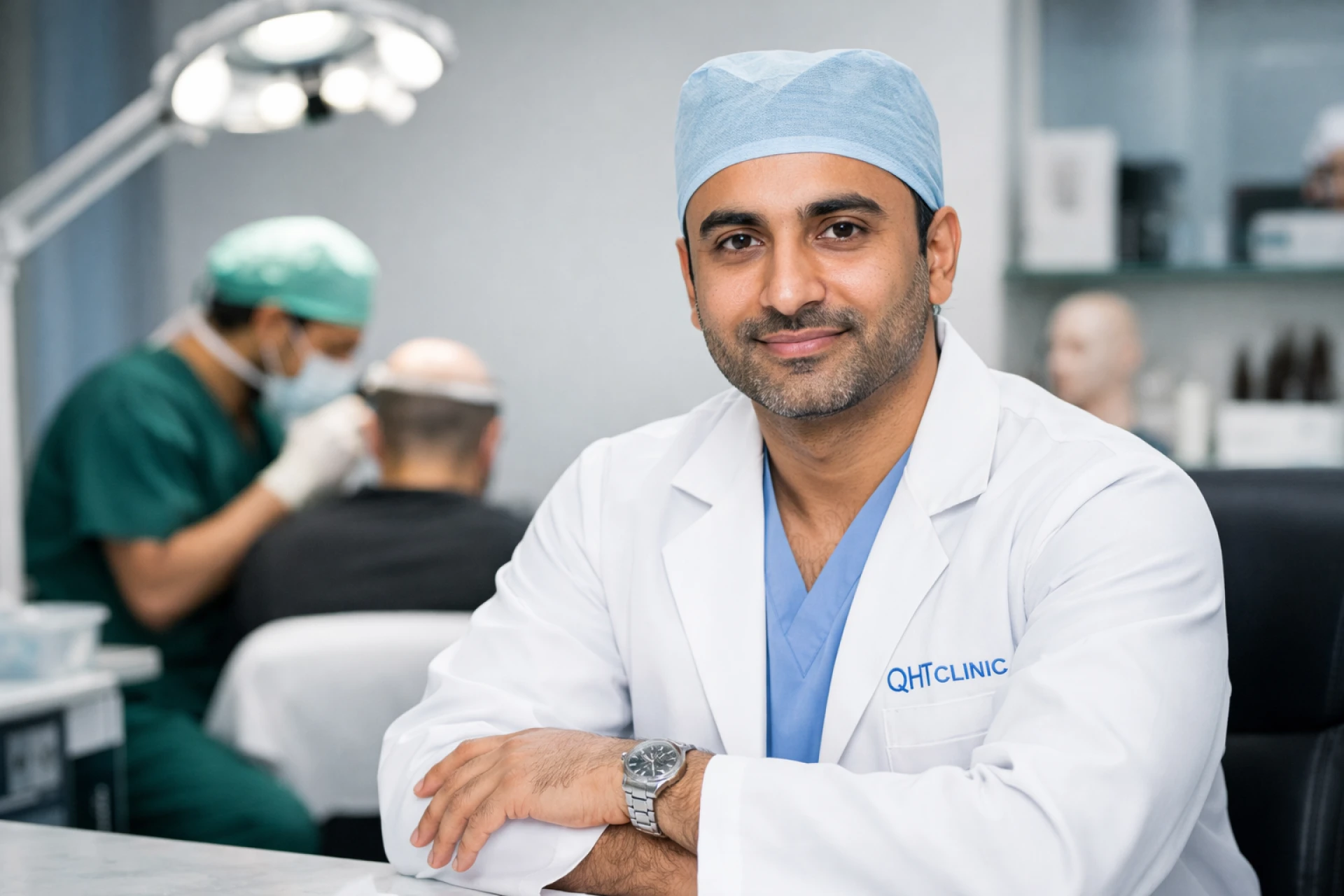
Hair transplantation is not just a medical procedure—it is a carefully planned restoration process. Many people believe success depends only on technique, but in reality, planning plays an even greater role. This article explains how strategic planning ensures natural outcomes when opting for the best hair transplant in Gurgaon, especially under expert supervision at QHT Clinic.
Why Planning Is More Important Than Speed
Quick procedures without proper planning often result in unnatural hairlines or uneven density. Good planning involves analyzing facial structure, age, hair texture, and donor availability. These factors help create a design that ages naturally.
Hairline Design and Facial Harmony
A natural hairline follows facial proportions. Too low or too straight hairlines look artificial. Skilled clinics design hairlines that match age and ethnicity, ensuring realistic results.
Donor Area Management
Donor hair is limited. Poor extraction can damage future options. Strategic harvesting preserves donor strength and allows flexibility if additional procedures are needed later.
Density Distribution Matters
Overcrowding grafts in one area can reduce survival rates. Proper spacing ensures healthy growth and natural thickness.
Role of Experience and Ethics
Clinics like QHT Clinic prioritize long-term outcomes over aggressive density promises. This ethical approach protects patient satisfaction.
FAQs
1. Why does planning affect hair transplant success so much?
Planning determines how hair grows, looks, and ages. Without proper planning, even advanced techniques can fail to deliver natural results. A well-planned transplant blends seamlessly with existing hair.
2. Can poor planning damage donor hair permanently?
Yes, careless extraction can weaken or exhaust donor areas. This limits future correction options and affects overall appearance.
3. How is density decided during planning?
Density depends on donor availability, scalp condition, and desired coverage. Overloading grafts can reduce survival, so balance is essential.
4. Is hairline design permanent?
Yes, which is why it must be age-appropriate and natural. Poor hairline placement is difficult to correct later.
5. Does planning differ for young patients?
Yes, younger patients require conservative planning to accommodate future hair loss. Clinics must think long-term.
6. How involved is the patient in planning?
Patients should actively participate, share expectations, and understand limitations. Clear communication improves satisfaction.
7. Can planning reduce the need for future transplants?
Yes, proper planning often minimizes or eliminates the need for multiple procedures.
Conclusion
Hair transplant success begins long before the procedure itself. Strategic planning ensures natural aesthetics, preserved donor hair, and long-term satisfaction. Choosing the best hair transplant in Gurgaon with a planning-focused approach, such as that followed at QHT Clinic, transforms hair restoration into a sustainable and confidence-boosting solution.