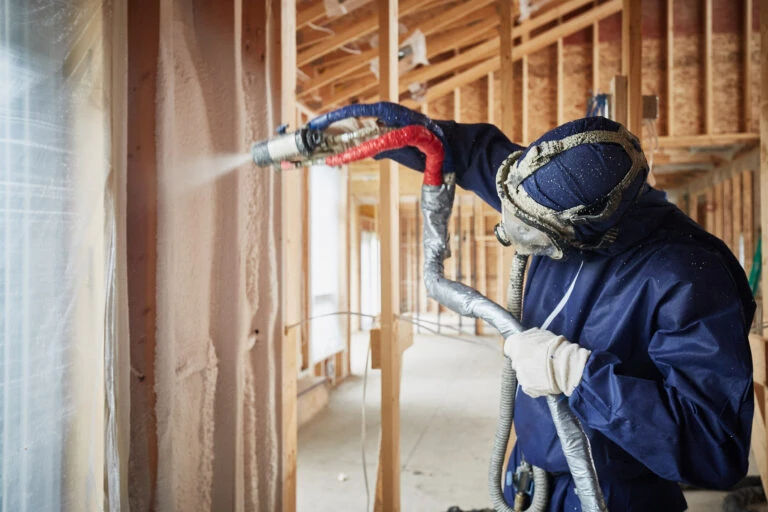
Good insulation maintains comfortable indoor temperatures by creating a resistive barrier that slows the transfer of heat between the interior of a home and the outdoor environment. By establishing a thermal boundary, insulation keeps conditioned air inside the living space and prevents external weather conditions from dictating the internal climate. This regulation reduces the workload on heating and cooling systems, allowing them to achieve and sustain desired temperatures with greater efficiency and consistency.
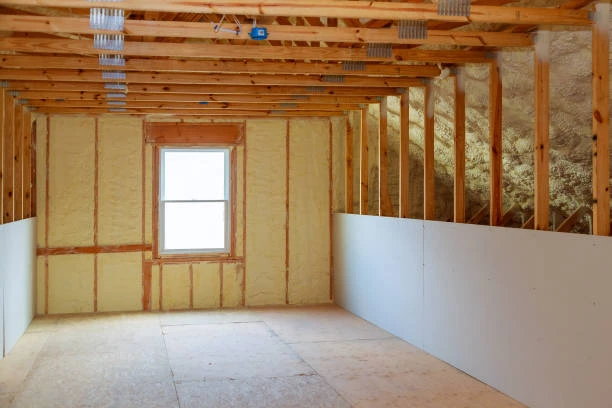
Effective thermal management relies on addressing the physical laws of thermodynamics, specifically the principle that heat naturally moves from warmer areas to cooler ones. In the summer, outside heat attempts to penetrate the building envelope, while in the winter, internal heat seeks to escape. High-quality spray foam insulation materials, particularly those that offer air-sealing properties, interrupt this flow. This interruption eliminates hot and cold spots, stabilizes humidity levels, and creates a uniform environment throughout the residence.
The Mechanics of Heat Transfer
To understand how insulation works, one must understand the three ways heat travels: conduction, convection, and radiation. Conduction is heat moving through solid materials, like a spoon getting hot in soup. Convection is heat moving through air or liquids, such as warm air rising. Radiation is heat traveling in a straight line from a source, like the sun heating a roof.
Traditional insulation materials like fiberglass primarily resist conduction. They trap pockets of air to slow down the movement of heat through walls and ceilings. However, they often fail to address convection. If air can move through the insulation, it carries heat with it, bypassing the thermal resistance. Advanced materials like spray foam address both conduction and convection by sealing the gaps where air would otherwise flow.
The Role of R-Value
The effectiveness of insulation is measured by its R-value. A higher R-value indicates a greater ability to resist conductive heat flow. However, a high R-value alone does not guarantee comfort if the home has significant air leaks.
Industry professionals emphasize that the R-value measures thermal resistance in a static environment. In a real-world setting with wind and pressure changes, air leakage can reduce the effective R-value of porous insulation by up to 50%. Therefore, maintaining a comfortable temperature requires a material that provides both a high R-value and a comprehensive air seal.
Addressing the Stack Effect
A primary driver of temperature instability is the "stack effect." In colder months, warm air rises inside the home and escapes through cracks in the attic. This escaping air creates a vacuum that pulls cold, unconditioned air in through the basement or lower floors. Good insulation applied to the attic floor or roof deck stops this upward movement, breaking the cycle and keeping the warm air inside.
Comparing Insulation Materials
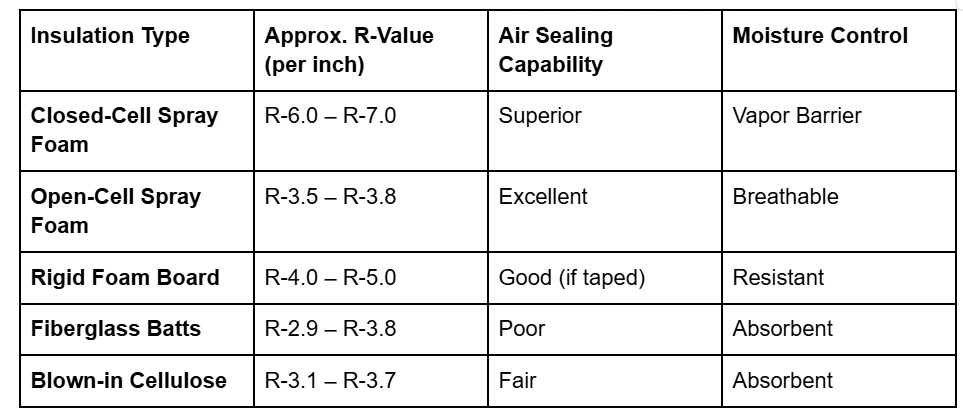
Not all insulation performs equally when it comes to stabilizing indoor temperatures. Homeowners should evaluate materials based on their ability to resist heat flow and stop air movement. The following table outlines the performance characteristics of common options.
Regional Guidance: Managing Radiant Heat
In hot climates like South Florida, the sun beats down on roofs, causing attic temperatures to soar. This radiant heat transfers through the ceiling, making the living space hot and forcing the AC to run constantly.
Insulating the underside of the roof deck with spray foam acts as a barrier against this radiant energy. It prevents the attic from becoming a superheated oven. By keeping the attic cool, the ductwork located there stays cooler, delivering refreshing air to the rooms below without gaining heat along the way.
On a hot afternoon, residents can touch their ceiling. If it feels warm, radiant heat is transferring from the attic. This is a clear sign that the current insulation is insufficient for maintaining a comfortable temperature.
Impact on Humidity and Air Quality
Temperature is only one part of the comfort equation; humidity plays a major role as well. High humidity makes air feel warmer and stickier in summer and colder in winter. Effective insulation, particularly closed-cell spray foam, creates a sealed envelope that blocks moisture-laden outdoor air from entering.
By controlling air infiltration, the insulation allows the HVAC system to remove internal moisture more effectively. This results in a drier, more comfortable indoor environment. Market data indicates that homes with proper air sealing and insulation can reduce the size of the HVAC equipment needed, as the system no longer needs to work as hard to remove latent humidity.
Things to Consider Before Making a Decision
Before upgrading insulation, property owners must assess the condition of their existing building envelope. Adding new material over old, damaged, or wet insulation will not solve temperature issues and may lead to mold growth. A thorough inspection is necessary to identify any roof leaks or electrical issues before installation begins.
The choice of material also depends on the specific goals of the project. If the primary issue is drafty floors, sealing the rim joist and crawl space is the priority. If the issue is a hot second floor, the attic is the target.
Ventilation Requirements
Creating a thermally efficient, airtight home changes how the building breathes. While this is excellent for energy savings and temperature control, it requires a strategy for fresh air exchange. Homeowners should plan for mechanical ventilation, such as an energy recovery ventilator (ERV), to ensure that indoor air quality remains high while maintaining the desired temperature.
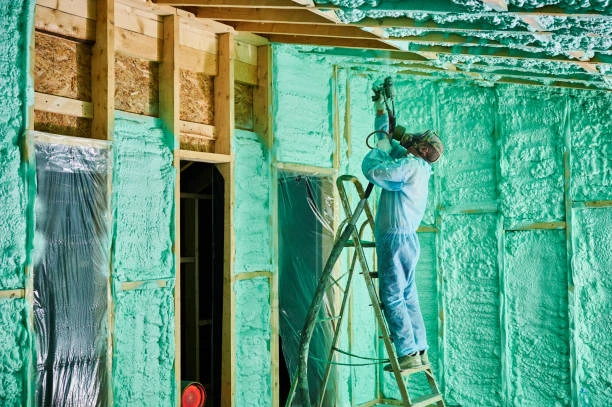
While high-performance insulation like spray foam has a higher upfront cost, it offers long-term value. Reduced energy bills, extended HVAC lifespan, and consistent comfort provide a return on investment that cheaper materials cannot match over time.
Questions People Ask About Insulation and Temperature
Does insulation help keep my house cool in the summer?
Yes, insulation slows the transfer of heat into the home. By blocking radiant heat from the roof and hot air from outside, it helps the air conditioner maintain a cool indoor temperature with less effort.
How do I know if I have enough insulation?
If your home has uneven temperatures between rooms, high energy bills, or if you can see the floor joists in your attic, you likely need more insulation. A professional energy audit can provide a definitive answer.
Will adding insulation soundproof my home?
Yes, insulation dampens sound. Materials like open-cell spray foam are particularly effective at absorbing sound waves, reducing noise from traffic, neighbors, and weather events.
Is spray foam insulation safe?
Yes, once spray foam has cured (typically 24 to 48 hours), it is inert and safe. It does not release harmful gases and improves indoor air quality by blocking outdoor pollutants.
Can insulation help with humidity problems?
Absolutely. By sealing air leaks, insulation prevents humid outdoor air from entering the home. This reduces the load on your dehumidifier or air conditioner and keeps the indoor air drier and more comfortable.
Conclusion
Good insulation is the foundation of a comfortable home. By acting as a comprehensive thermal and air barrier, it stabilizes indoor temperatures, manages humidity, and reduces energy consumption. Whether facing the intense heat of a Florida summer or a chilly winter night, a well-insulated building envelope ensures that the interior remains a consistent sanctuary. Evaluating the specific needs of the property and selecting the right material are the first steps toward achieving lasting thermal comfort.
Contact for Professional Assistance
For homeowners seeking to improve their indoor temperature stability, All in Overhall provides expert insulation assessments and installation services. They specialize in identifying thermal weaknesses and implementing solutions that maximize comfort and efficiency.
Interested individuals can contact the team at (561) 406-3835 to schedule a consultation. Further inquiries regarding services or quotes can be sent via email to [email protected].
Author: Richard Hall founded ALL IN OVERHALL, Your Local Spray Foam Insulation Company in Jupiter, FL, on January 3, 2022, to offer honest and reliable insulation services across South Florida. He focuses on clear communication and careful workmanship to improve comfort and reduce energy costs. His team helps homeowners and businesses create spaces that stay cooler and more efficient year-round.
Reviewer: Lucas Mitchell has 6 years of experience in spray foam insulation. He reviewed this article and helped refine the ideas to strengthen the brand's presence and reach homeowners seeking reliable insulation.