
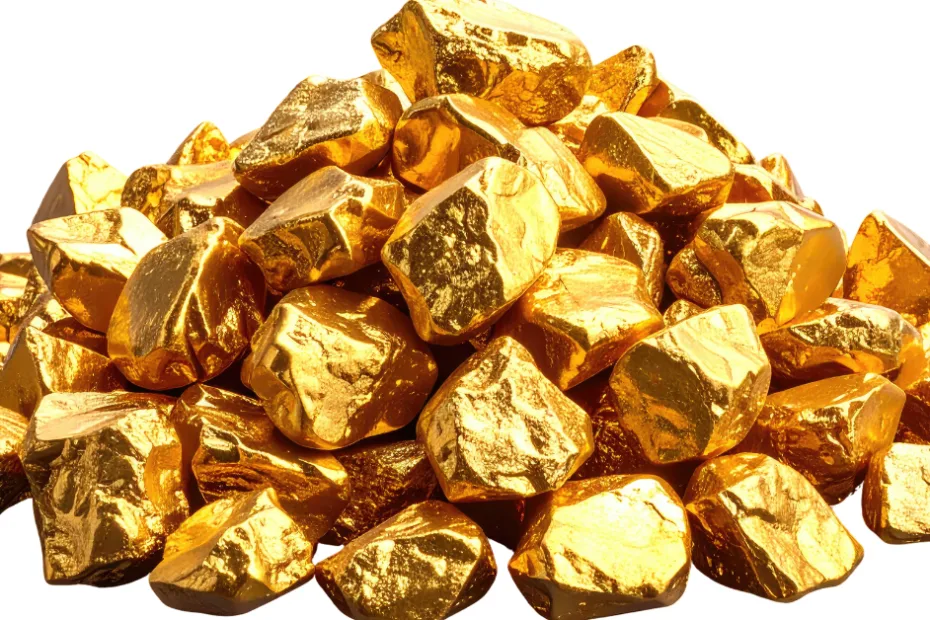
The price of gold shifts almost every working day. For anyone holding a Krugerrand at home, that movement matters more than most other factors. A coin’s worth is tied directly to the spot price of gold, plus a small margin set by the buyer based on condition and demand. Watching how the market behaves over weeks and months helps coin owners make smarter calls about when to sell and when to sit tight.
Why the gold price moves
Gold is traded around the world, mostly priced in US dollars per ounce. When demand goes up — say investors get nervous about weak currencies or a global crisis — the price climbs. When markets are calm and people are buying shares instead, gold can flatten or drop. That global dollar price is the starting point for any Kruger Rand price seen quoted in South Africa.
The rand-dollar exchange rate has a big say too. Even when the dollar gold price stays the same, a weaker rand pushes the local price up. A stronger rand pulls it down. Two forces can move the Kruger Rand price today at the same moment: international gold movements and the rand’s behaviour against the dollar.
Reading the daily price
Most buyers in South Africa quote the Kruger Rand price today in rands based on the morning gold fix and the current exchange rate. The figure quoted is normally for a one-ounce coin in fair condition. Smaller fractional coins (half, quarter, tenth ounce) follow the same logic but carry a slightly different premium per gram.
If the global gold price jumps 2% overnight, expect the local quote to do something similar by morning. When the rand weakens at the same time, the increase locally could be bigger still. Owners of single coins should know that quotes can shift by several hundred rand between Monday and Friday in a busy week.
When people decide to sell
There are a few common reasons South Africans choose to Sell Krugerrands. Some inherit them and have no interest in coin collecting. Others bought them years ago as a hedge and now want to free up cash for a home renovation, a car, or paying off debt. A few sell after watching the market and wanting to lock in a strong price before it turns.
Whatever the reason, the timing of the sale has a real impact on what someone walks away with. The same coin sold in March might fetch a noticeably different amount by August, depending on how the gold market has moved in between.
Holding for collector value
Not every Krugerrand is treated as bullion alone. Older coins, particularly those minted in the early years of the programme (from 1967 onwards), can carry collector premiums beyond the gold content. Limited mintage years and proof coins are valued more by serious collectors than by scrap buyers. Should a coin sit in this group, the Gold Krugerrand price today to sell could come in higher than a standard bullion quote.
To check if a coin has collector value, look at the mint mark, the year, and the condition. Coins still in their original mint capsule with no scratches or fingerprints tend to do better. A specialist buyer is usually the right person to give a proper valuation in this case.
Watching the market over time
Anyone who owns a Krugerrand and is thinking about selling at some point should get into the habit of glancing at the gold price now and then. Plenty of free websites quote both the dollar spot price and the rand price daily. Over a month or two patterns become clear — quiet weeks, sudden jumps, gradual climbs.
Trying to time the absolute top is a losing game for most people. What works better is setting a price level that would feel like a fair deal, then selling when that number is reached. The reverse holds true too: if a coin bought at a much lower price has doubled in value, locking in profit might beat chasing another 5%.
What affects the buyer’s quote
Not every buyer pays the same. The Krugerrand price offered depends on the buyer’s overheads and margin, whether the coin is being bought for resale to investors or for melting down, the condition of the coin itself, and how many coins are being sold at once. Selling a single coin almost always carries a slightly lower per-coin rate than selling a small collection. Buyers who plan to melt the gold down don’t pay extra for collector condition, so a near-perfect coin sold to a scrap buyer would lose value it might keep with a numismatic dealer.
Practical checks before selling
A few simple steps help before accepting any offer. Weigh the coin if possible. A standard one-ounce Krugerrand weighs 33.93 grams in total thanks to the copper alloy mixed in to harden the gold. The pure gold content is one troy ounce (31.1 grams). Check the year and look for any unusual mint marks, and make a note of the date. Get two or three quotes from different buyers on the same day — gold prices move, so quotes from different weeks aren’t directly comparable. Ask how the buyer will pay, since bank transfer is standard practice. Be wary of anyone who insists on large cash payments for high-value coins — that’s a safety issue more than anything.
A note on market timing
The gold market doesn’t care about anyone’s personal plans. It moves on global news, currency swings, central bank decisions and broad investor mood. South African coin owners sit at the receiving end of all of that. The good news is that gold has a long track record of holding value, so a Krugerrand bought ten years ago is almost certainly worth more in rand terms now than what was paid for it.
People who keep an eye on the market and stay patient about timing tend to walk away with a fair deal. Rushing into a sale during a slow week, or selling on a day when the rand has just strengthened sharply, rarely produces the best result.