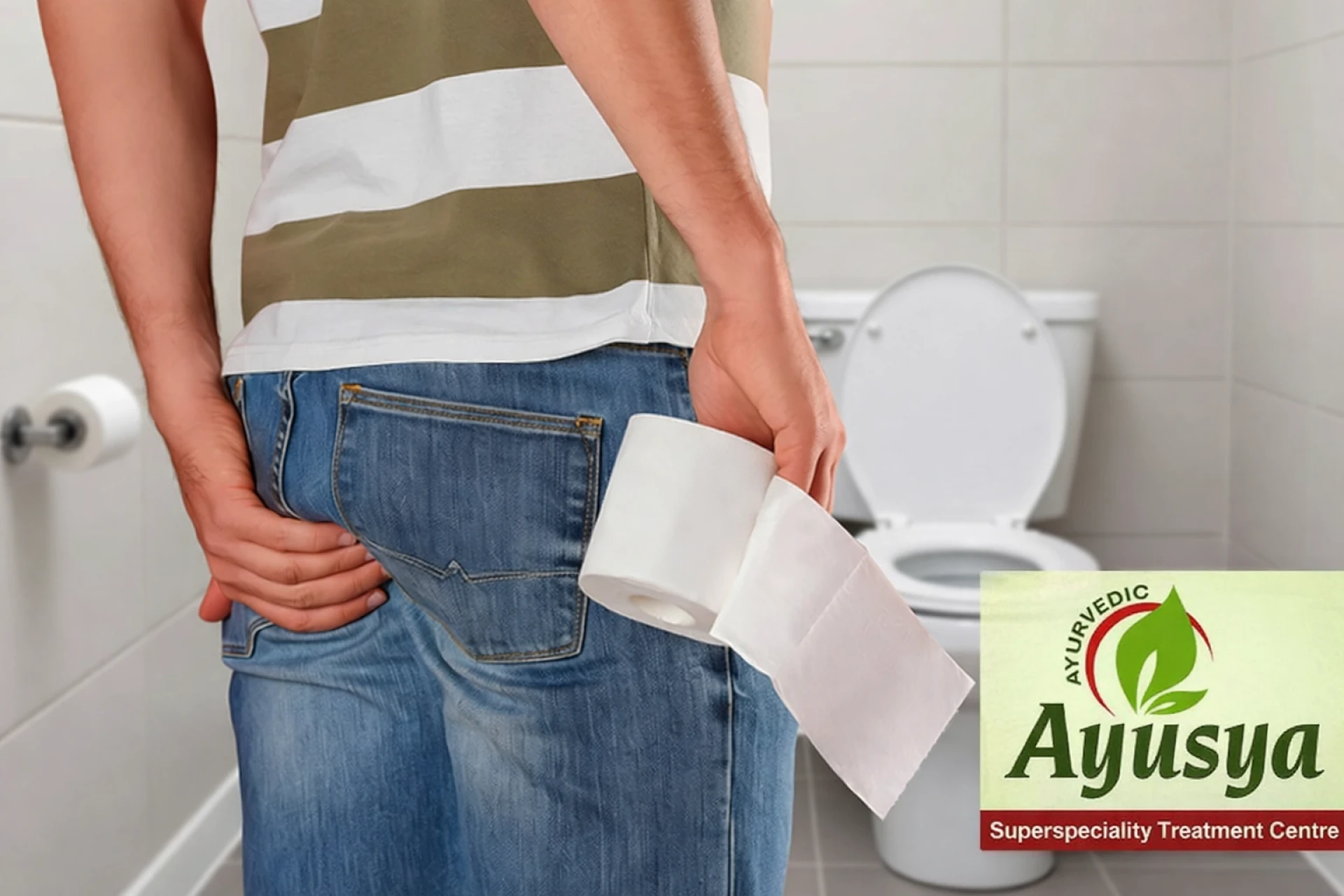
Fistulas are abnormal passages that develop between two organs or between an organ and the skin. While these connections are often the result of infections or surgical interventions, lifestyle factors, including diet and daily habits, can also play a significant role in their formation. Understanding how fistulas develop can help in prevention, management, and seeking the right treatment. In this article, we’ll explore how fistulas form and the important role that diet and lifestyle play in their development. Additionally, we’ll discuss how Ayurvedic treatments can provide effective and natural relief.
What is a Fistula?
A fistula is an abnormal connection between two body parts that don’t typically communicate. These can occur between organs, such as the intestines and the bladder, or between an organ and the skin. Common examples of fistulas include anal fistulas, which often develop due to an infection or abscess, and digestive tract fistulas, which are often linked to conditions like Crohn’s disease. Fistulas can cause discomfort, pain, and complications, especially if left untreated.
How Do Fistulas Form?
Fistulas are often the result of long-term inflammation, infection, or injury. Here’s how they typically develop:
Infection and Inflammation
Fistulas commonly form when an infection causes inflammation in a particular part of the body, leading to tissue breakdown. For example, in the case of an anal fistula, an infected abscess in the anal glands can rupture and create a tunnel-like opening, leading to the formation of a fistula. Similarly, in the case of a digestive tract fistula, a prolonged infection or inflammatory bowel disease can cause an abnormal connection between the intestines and surrounding organs or the skin.
Chronic Diseases and Conditions
Certain chronic conditions, like Crohn’s disease and ulcerative colitis, contribute to chronic inflammation in the gastrointestinal tract, weakening the tissue over time. This increases the risk of fistula formation. As the disease causes ongoing irritation and damage to the digestive tract, the tissue breaks down, creating an abnormal passageway.
Surgical Procedures or Injury
Surgery or trauma can also lead to fistula formation. For example, after a surgical procedure, the tissue may fail to heal properly, causing a connection between two previously separate areas. Trauma to the body, such as an injury or even severe childbirth complications, can also lead to fistulas.
The Role of Diet in Fistula Formation
What you eat plays a significant role in maintaining digestive health. An unhealthy diet can contribute to inflammation, digestive problems, and conditions that increase the risk of fistula formation.
Low-Fiber Diet
A diet low in fiber can lead to constipation, which puts pressure on the rectum and other parts of the digestive system. This added pressure can damage tissue and increase the likelihood of developing an anal fistula or other types of gastrointestinal fistulas. A diet rich in fiber helps maintain healthy bowel movements and prevents excessive strain on the digestive tract.
Processed and High-Fat Foods
Processed foods, high-fat meals, and sugary snacks can lead to systemic inflammation in the body. Chronic inflammation can worsen conditions like Crohn’s disease and ulcerative colitis, both of which significantly increase the risk of fistulas in the intestines. A diet rich in anti-inflammatory foods, such as fruits, vegetables, and healthy fats, can help reduce this risk.
Dairy and Gluten Sensitivity
For people with sensitivities to dairy or gluten, consuming these foods can trigger digestive distress and inflammation. This can further damage the digestive tract and contribute to the development of fistulas. Choosing alternatives and managing these sensitivities through diet is essential for those at risk.
How Lifestyle Choices Affect Fistula Formation
In addition to diet, lifestyle factors such as stress, exercise, and smoking can influence the development of fistulas.
Chronic Stress
Chronic stress has a significant impact on the immune system. It can weaken the body’s ability to fight infections and manage inflammation, both of which are key factors in fistula formation. Managing stress through relaxation techniques, physical activity, and adequate rest can reduce the risk of developing fistulas related to inflammation.
Smoking
Smoking is a well-known risk factor for many health conditions, including fistulas. It impairs circulation and weakens the immune system, making it harder for the body to heal. For people with inflammatory bowel diseases like Crohn’s disease, smoking can increase the risk of developing fistulas. Quitting smoking is an important step in reducing the risk of this condition.
Lack of Physical Activity
A sedentary lifestyle can contribute to poor circulation and digestive problems. Regular physical activity promotes good digestion and helps reduce inflammation in the body. Exercise is a natural way to keep the body functioning well, reducing the likelihood of fistula formation, especially in the digestive tract.
Ayurvedic Treatments for Fistula
For those seeking a natural and holistic approach to healing fistulas, Ayurveda offers a range of treatments that focus on balancing the body and mind. Ayurvedic treatments aim to detoxify the body, reduce inflammation, and promote healing without the use of invasive procedures.
Fistula Ayurvedic Treatment focuses on individualized care, where practitioners like those at Ayusya Ayurveda use herbal remedies, Panchakarma treatments, and lifestyle adjustments to address the root causes of fistulas. Panchakarma, a series of detoxifying treatments, can help cleanse the body, reduce inflammation, and promote natural healing. Ayurvedic herbs such as turmeric, aloe vera, and neem have anti-inflammatory and healing properties that can aid in the treatment of fistulas.
Additionally, Ayurvedic dietary recommendations focus on nourishing the body with wholesome foods that promote healing. This includes avoiding inflammatory foods and incorporating healing herbs into the daily diet.
This article explains the formation of fistulas, abnormal passages that develop between organs or tissues, often due to infections, chronic diseases, or lifestyle factors. It highlights the role of diet and lifestyle in fistula development, emphasizing how a low-fiber diet, processed foods, and poor lifestyle choices can increase the risk. The article also discusses how Ayurveda offers natural remedies for fistula treatment, focusing on detoxification, herbal treatments, and personalized care. It concludes by promoting Ayusya Ayurveda as a trusted provider of Fistula Ayurvedic Treatment in Kolkata, offering a holistic approach to managing and healing fistulas.