
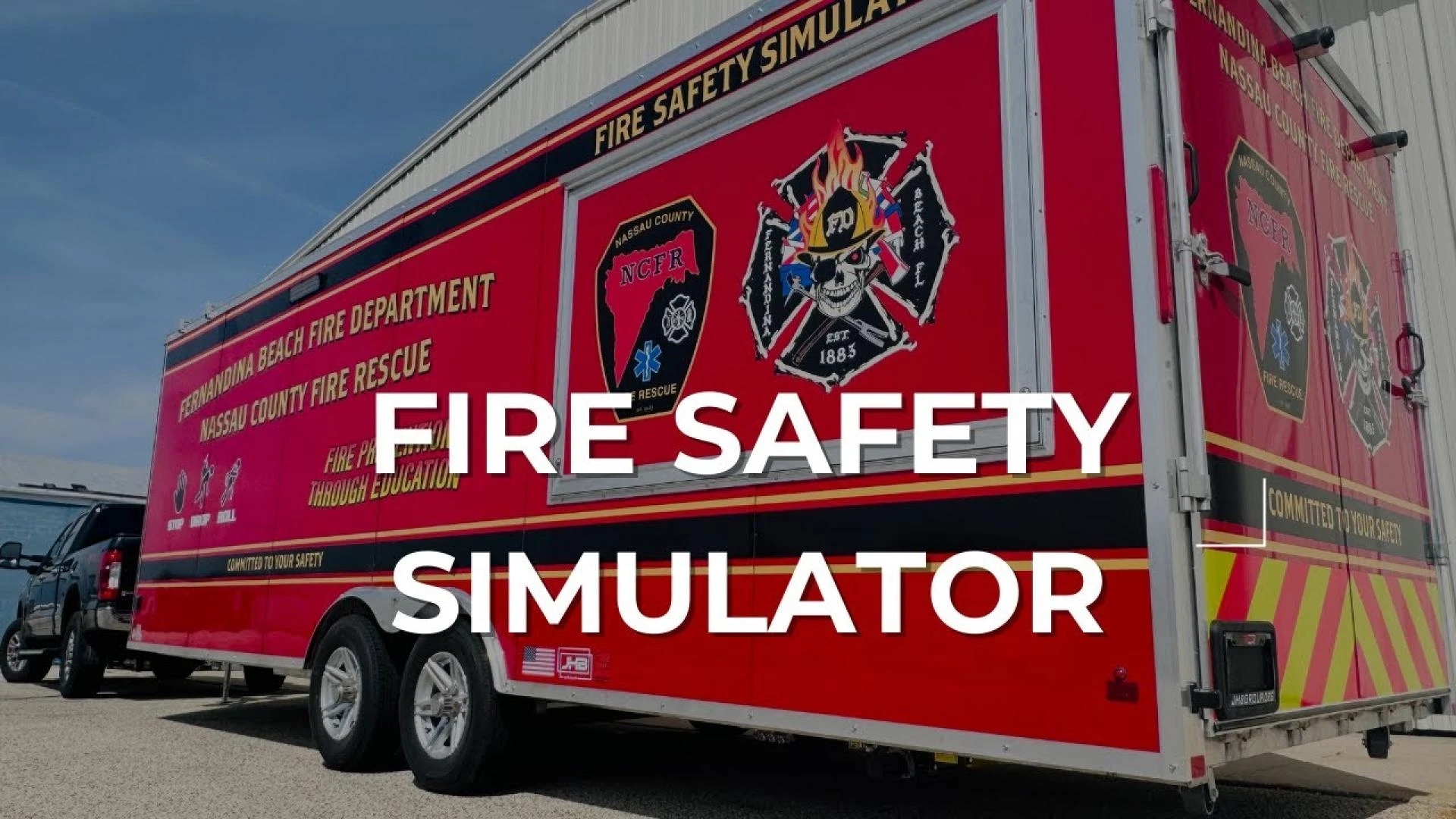
In emergency preparedness, practical training has always been the most effective way to build confidence and response skills. However, traditional fire drills often fail to recreate the unpredictability and intensity of real fire situations. This is where the fire safety simulator is transforming how individuals and organizations prepare for fire emergencies. By combining technology with realistic scenarios, these simulators provide a safer, smarter, and more engaging way to train people for critical situations.
What Is a Fire Safety Simulator?
A fire safety simulator is a technology-driven training system designed to replicate real-life fire emergencies in a controlled environment. These simulators use tools such as virtual reality, augmented reality, digital fire modeling, and interactive environments to help trainees understand how fires behave and how to respond effectively.
Instead of relying only on theoretical lessons, trainees experience simulated emergency situations where they must make decisions quickly. This hands-on approach significantly improves knowledge retention and practical response skills.
Why Traditional Fire Training Has Limitations
Conventional fire drills and classroom sessions are useful but often lack realism and adaptability. Some of the main limitations include:
- Limited real-life simulation: Drills cannot safely recreate large-scale or rapidly spreading fires.
- Low engagement: Participants may treat drills as routine activities rather than serious learning experiences.
- Safety risks: Live fire demonstrations can still pose potential hazards.
- Restricted scenarios: Traditional training usually focuses on a small number of emergency situations.
Because of these limitations, organizations are turning to advanced simulation technologies to provide better training experiences.
Key Benefits of Fire Safety Simulators
Fire simulation technology brings several advantages that significantly improve emergency preparedness.
1. Realistic Training Without Real Danger
Simulators replicate fire behavior, smoke movement, and emergency conditions while keeping trainees completely safe. Participants can practice evacuation procedures and firefighting techniques without exposure to real hazards.
2. Interactive Learning Experience
Unlike static training methods, simulators place participants directly in the scenario. Trainees must analyze situations, choose the right actions, and respond under pressure.
3. Improved Decision-Making Skills
Because simulations mimic real emergencies, participants learn to react quickly and efficiently. This helps build the critical thinking skills required during high-stress incidents.
4. Repeatable and Customizable Scenarios
A fire safety simulator allows instructors to create multiple scenarios with varying levels of difficulty. Trainees can practice different emergency situations repeatedly until they gain confidence and competence.
5. Cost-Effective Training Over Time
While initial investment may be higher, simulation-based training reduces the need for repeated physical setups, equipment replacement, and safety precautions required in live drills.
Where Fire Safety Simulators Are Being Used
Fire simulation technology is being adopted across many industries and environments, including:
- Corporate workplaces
- Industrial facilities
- Educational institutions
- Emergency response training centers
- Healthcare facilities
These sectors require effective safety training to protect people, infrastructure, and operations.
How Technology Is Enhancing Fire Training
Modern simulators integrate advanced technologies that enhance the learning experience:
- Virtual reality environments for immersive training
- Real-time feedback systems to evaluate trainee decisions
- Data analytics to track performance and improvement
- Scenario customization for specific facility layouts and risks
These innovations make training more precise, measurable, and adaptable.
Final Thoughts
Fire emergencies require quick thinking, clear procedures, and well-trained individuals. Traditional training methods alone are no longer enough to prepare people for complex emergency scenarios. Simulation technology provides a safer and more effective way to practice fire response strategies.
By offering immersive experiences, repeatable scenarios, and data-driven feedback, fire simulation systems are redefining how organizations approach emergency preparedness. As technology continues to advance, the role of the fire safety simulator in safety training will only become more important.
Frequently Asked Questions (FAQs)
1. What is the purpose of a fire safety simulator?
A fire safety simulator is designed to train individuals to respond effectively during fire emergencies through realistic but controlled simulation environments.
2. Is simulator-based fire training safe?
Yes, simulator-based training allows participants to experience emergency situations without exposure to actual fire hazards.
3. Who can benefit from fire safety simulator training?
Employees, safety professionals, emergency responders, and students can all benefit from simulation-based fire safety training.
4. How does simulation improve learning outcomes?
Interactive experiences help participants retain information better and develop practical decision-making skills.
5. Can fire safety simulators replace traditional fire drills?
Simulators are often used alongside traditional drills to provide a more comprehensive and effective training program.