
Introduction: Resilience in a Shifting World
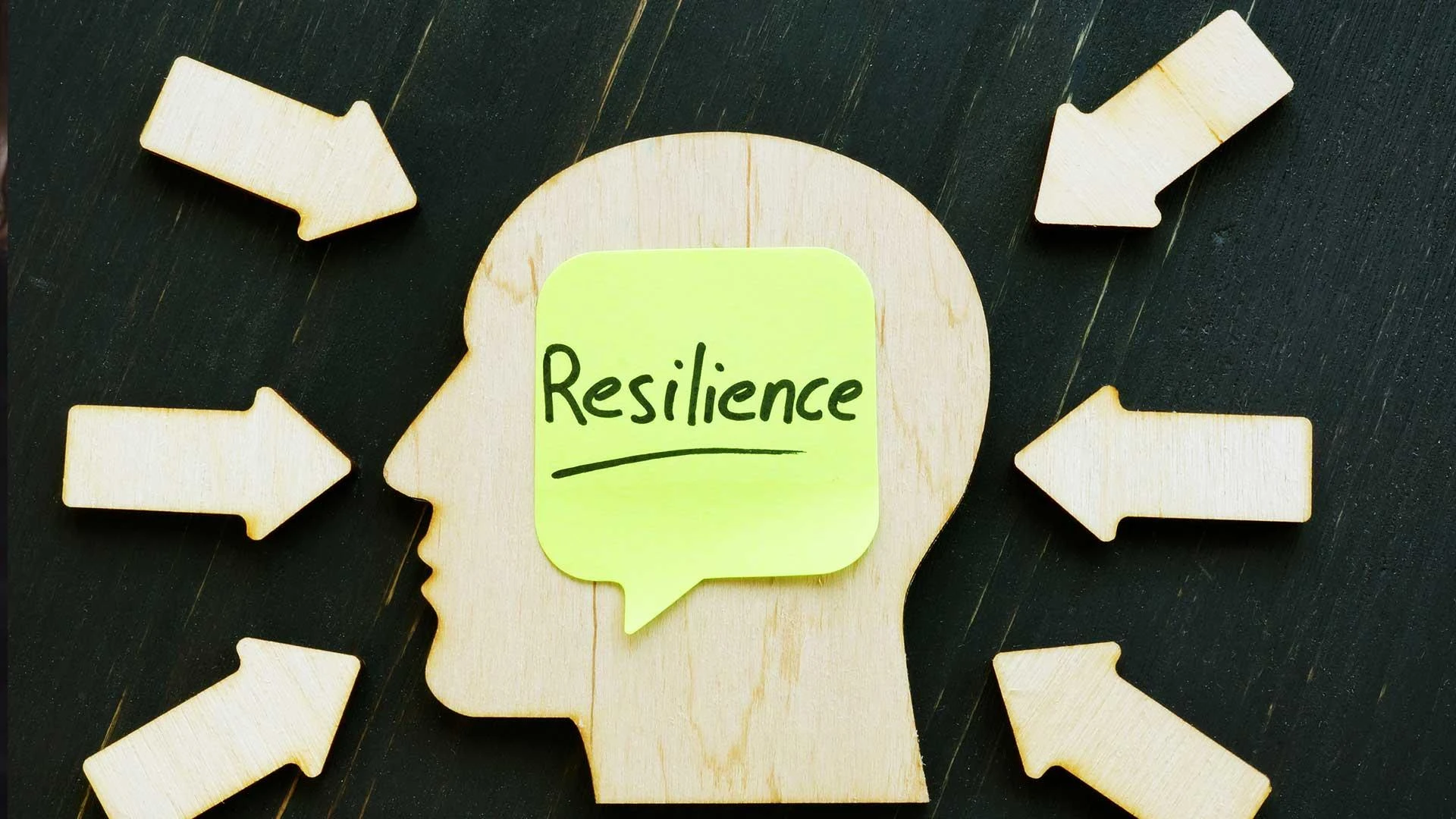
Every generation faces its own set of challenges, but our era feels uniquely unpredictable. From sudden career shifts to emotional struggles and global crises, uncertainty has become a defining feature of modern life. In such times, resilience is not just a desirable trait, it’s essential. But resilience isn’t something we’re born with; it’s cultivated through perspective, belief, and conscious choice.
I recently explored the book Fate, Faith & Free Will by Karim Ghelani, and it profoundly reshaped my understanding of resilience. Ghelani, the author of Fate, Faith & Free Will, combines personal experiences with practical insights, offering readers a roadmap to navigate fear, anxiety, and doubt while finding the strength to move forward.
This isn’t just another self-help narrative. It’s a guide to transforming setbacks into steppingstones, using the balance of fate, faith, and free will as a foundation for resilience.
Rethinking Resilience Beyond Motivation
Why Motivation Isn’t Enough
Many people mistake resilience for constant motivation. While motivation can spark action, it often fades when obstacles arise. Resilience, on the other hand, is what sustains us through life’s storms. It’s about enduring challenges, adapting to change, and choosing courage even when the odds feel insurmountable.
This is why exploring concepts like fate, faith, and free will is so important. They provide a deeper framework for resilience, one that goes beyond fleeting inspiration and taps into enduring strength.
A New Lens Through Fate, Faith & Free Will
In Fate, Faith & Free Will, Karim Ghelani reframes resilience not as sheer toughness but as alignment with life’s realities. By accepting what we can’t control (fate), nurturing belief in better outcomes (faith), and making conscious choices (free will), we create a mindset that bounces back instead of breaking down.
The Role of Fate in Building Resilience
Fate is often misunderstood as a force that strips us of control. However, Karim Ghelani explains it differently. Fate represents the circumstances beyond our control, our upbringing, unexpected tragedies, or sudden life changes. Resilience begins with accepting these conditions without resentment.
When we resist fate, we waste energy fighting the unchangeable. But when we accept it, we free ourselves to focus on what we can influence. This shift in perspective is where resilience starts to grow.
Faith as the Anchor in Times of Doubt
Faith is not about denying difficulties; it’s about believing that difficulties don’t define the end. Whether it’s faith in a higher power, in personal growth, or in humanity, this inner anchor is essential for resilience.
Karim Ghelani emphasizes that faith provides resilience with its heartbeat. In moments of fear or exhaustion, faith whispers, “This too shall pass.” It’s the seed of courage that blossoms even in the darkest soil.
Free Will as the Engine of Resilience
While fate sets the stage and faith offers hope, resilience truly comes alive through free will. Free will is the ability to respond, to make choices in the face of difficulty.
As Karim Ghelani explains, resilience isn’t passive endurance it’s active participation. It’s choosing to rise again, to take one step forward even when the mountain feels endless. Free will is the daily practice of resilience in motion.
Finding Balance Between Fate, Faith & Free Will
The real challenge lies in finding balance between fate, faith, and free will. If we surrender too much to fate, we become passive. If we rely only on faith, we risk ignoring practical solutions. And if we push free will without rest, burnout is inevitable.
Resilience requires this balance. Fate grounds us, faith uplifts us, and free will moves us forward. Together, they form a sturdy triad a mindset capable of withstanding life’s uncertainties.
Transforming Fear Into Personal Power
One of the most impactful lessons in Fate, Faith & Free Will is learning how to transform fear into personal power. Fear is often the greatest barrier to resilience, stopping us before we even begin. But when acknowledged, fear can become a teacher.
Karim Ghelani outlines practical steps for this transformation:
• Name fear without judgment. Recognize it as an emotion, not an identity.
• Use meditation to observe fear. This helps you detach from its grip.
• Take small, bold actions. Each step weakens fear’s hold and builds confidence.
Through these steps, fear loses its dominance. It transforms from a wall into a doorway, opening paths to courage and resilience.
Lessons from Karim Ghelani’s Struggle with Anxiety

What makes Karim Ghelani’s work so authentic is his openness about his own struggles with anxiety. Anxiety is one of today’s most common battles, yet it’s often hidden in shame. By sharing his experiences, Ghelani builds trust with readers who feel isolated in their mental health journeys.
He demonstrates resilience not by claiming perfection but by modeling honesty, vulnerability, and the willingness to keep trying. This is the essence of resilience not avoiding struggle, but learning through it.
Resilience as a Daily Practice
Small Actions, Big Shifts
Resilience doesn’t require grand gestures. It’s built through everyday choices:
• Pausing before reacting in anger.
• Practicing gratitude even on hard days.
• Saying “yes” to new opportunities despite fear.
These small acts compound over time, training the mind and heart to endure life’s challenges.
Building Habits Around Fate, Faith & Free Will
Readers of Fate, Faith & Free Will often find it helpful to create daily rituals. Morning reflections, evening journaling, or meditation can keep the principles alive, reinforcing resilience as a lived reality rather than a distant ideal.
Why Karim Ghelani’s Voice Matters
As the author of Fate, Faith & Free Will, Karim Ghelani brings something rare to the table a blend of personal experience and practical guidance. His openness about anxiety, fear, and transformation makes resilience feel achievable for ordinary people.
Ghelani doesn’t position himself as a distant guru but as a fellow traveler sharing the tools that worked for him. This authenticity makes his voice stand out in the crowded landscape of personal growth literature.
Conclusion: Resilience Born from Balance
Resilience isn’t about never falling, it’s about rising differently each time. The harmony of fate, faith, and free will equips us for that journey. Fate teaches acceptance, faith offers courage, and free will drives action.
Through his book Fate, Faith & Free Will, Karim Ghelani shows that resilience is not just about surviving uncertainty but thriving through it. By transforming fear into power and embracing the lessons of anxiety, anyone can build a mindset strong enough to face today’s world with hope.
FAQs
Q1: What makes Fate, Faith & Free Will unique for building resilience?
The book blends philosophy with practical tools. Instead of abstract advice, it offers actionable steps for transforming fear, managing anxiety, and finding balance.
Q2: Who is the author of Fate, Faith & Free Will?
The book is written by Karim Ghelani, who shares his personal experiences and insights on fear, faith, and resilience.
Q3: How does faith help with resilience?
Faith acts as an anchor during uncertain times. It doesn’t remove challenges but gives the strength to endure them with hope and courage.
Q4: Can fear really be transformed into strength?
Yes. As Karim Ghelani explains, fear becomes a tool for growth when acknowledged and acted upon with small, practical steps.
Q5: What lessons from anxiety can readers apply in daily life?
Readers learn that anxiety doesn’t define them. By facing it honestly and practicing mindfulness, anxiety becomes a steppingstone to resilience rather than a roadblock.