
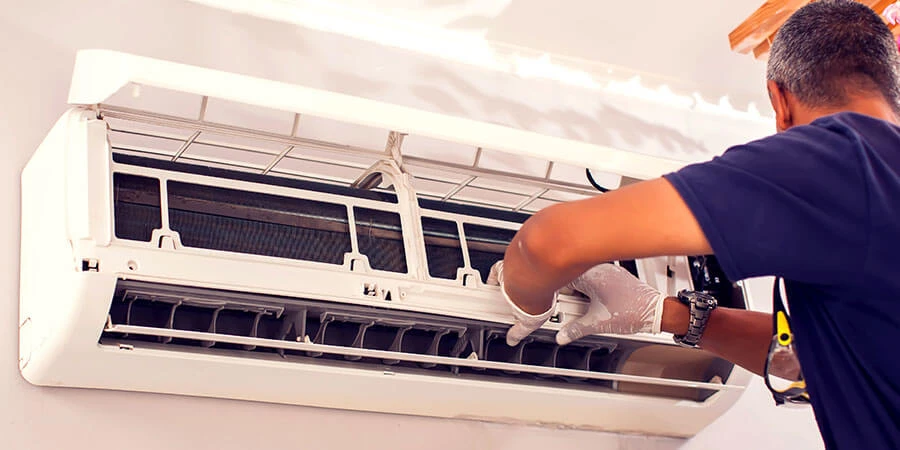
Climate control is not merely a luxury; it is a fundamental infrastructure requirement for health, productivity, and structural preservation. When an air conditioning system fails, the clock starts ticking. In high-heat environments, a malfunctioning AC unit can escalate from a minor inconvenience to a full-scale emergency within hours. The speed of the repair response is often the deciding factor between a simple component replacement and a catastrophic loss of property, data, or revenue.
Understanding the mechanics of a "fast response" involves looking beyond the arrival of a technician. It encompasses the diagnostic agility, the availability of parts, and the proactive measures taken to mitigate damage during the downtime. For homeowners, a quick fix ensures the safety of vulnerable family members and pets. For businesses, it protects expensive inventory and prevents the loss of foot traffic. This exploration delves into why speed is the ultimate currency in the HVAC industry and how rapid intervention serves as a shield for your investments.
The Domino Effect: Why Delays Lead to Disasters
When an AC system grinds to a halt, the internal temperature of a building begins to climb. While this is uncomfortable for humans, it is devastating for the building's ecosystem. High temperatures combined with rising humidity create a "greenhouse effect" indoors. Without the dehumidification process provided by a functional AC, moisture begins to settle on porous surfaces. This is where the domino effect begins: mold begins to colonize drywall, electronic components start to expand and lose conductivity, and wooden furniture or flooring can warp.
A fast response breaks this cycle before the humidity reaches critical levels. By restoring airflow and moisture extraction quickly, you prevent the secondary costs associated with mold remediation or structural repairs. Professionals who offer rapid emergency services understand that they aren't just fixing a machine; they are halting a biological and mechanical decay process. To avoid reaching this crisis point, staying ahead of the curve with a comprehensive AC maintenance checklist is the most effective strategy for both residential and commercial property owners. By systematically checking refrigerant levels, cleaning coils, and inspecting electrical connections before the peak season, you significantly reduce the probability of a mid-summer blowout that requires an emergency call-out.
Protecting Residential Sanctuaries: Health and Safety First
For a family, the home is a controlled environment meant to provide refuge from the elements. When the cooling system fails during a heatwave, the home can quickly become a heat trap. This poses a significant risk to the elderly, infants, and those with underlying respiratory or cardiovascular conditions. Heat exhaustion and heatstroke can occur indoors much faster than many realize, especially in well-insulated modern homes that hold onto heat once it enters.
Fast response repair services prioritize these high-stakes situations. A technician arriving within the hour can often implement a temporary cooling solution or perform a "hot swap" of a failed capacitor or fan motor, bringing the temperature back down to safe levels. Furthermore, rapid repair prevents the "smell of failure"—that ozone or burning plastic scent that often accompanies electrical shorts in an HVAC unit. Catching an electrical issue immediately prevents the risk of a house fire, which is a rare but real possibility when a seized motor continues to draw high current.
Business Continuity: The Economic Impact of Downtime
In the commercial sector, the stakes of AC failure are measured in dollars and cents. Retail stores, restaurants, and shopping malls rely on a "comfort pull" to keep customers inside. If a boutique or a café becomes uncomfortably warm, customers will leave within minutes, leading to immediate lost sales. For restaurants, the risk is even higher; a kitchen without proper ventilation and cooling becomes a hazardous work environment, and walk-in freezers may struggle to maintain temperature if the ambient air around them is too hot.
Innovative repair companies now use "Rapid Deployment" models specifically for commercial clients. This involves GPS-tracked fleets and "rolling warehouses"—vans stocked with a vast array of universal parts so that the fix can happen on the first visit. This level of service is an insurance policy for business continuity. It ensures that a mechanical failure on a Saturday afternoon doesn't result in a closed sign and thousands of dollars in lost weekend revenue.
Safeguarding Digital Assets: Data Centers and Server Rooms
One of the most critical applications of fast-response AC repair is in the protection of IT infrastructure. Servers generate immense amounts of heat. In a dedicated server room, the AC system isn't just for comfort; it is a life-support system for the hardware. If the cooling fails, servers can reach "thermal shutdown" temperatures in as little as 15 to 20 minutes.
When servers overheat, the risks include:
- Data Corruption: Sudden shutdowns can corrupt active databases.
- Hardware Damage: High heat can permanently damage delicate silicon chips and motherboards.
- Operational Paralyzation: For companies relying on local hosting, an AC failure means the entire workforce goes offline.
Emergency HVAC technicians specialized in "Precision Cooling" provide the rapid intervention needed to save these digital assets. They often utilize portable spot-coolers to bridge the gap while the main system is being repaired, ensuring that the "brain" of the business remains functional.
The Science of Rapid Diagnostics: Innovation in Repair
What makes a repair "fast" in 2026? It is no longer just about driving quickly; it’s about smart diagnostics. Innovative HVAC firms are now using IoT (Internet of Things) sensors and thermal imaging to identify failures before they even open the cabinet.
Thermal imaging cameras allow a technician to see "hot spots" in the electrical wiring or friction in bearings that are not visible to the naked eye. This allows for a surgical approach to repair—fixing the exact point of failure without wasting time on trial-and-error part replacement. Additionally, many modern systems have onboard diagnostic codes. A high-quality repair service will ask for these codes over the phone so the technician arrives with the specific sensor or switch needed, slashing the time spent on-site.
Mitigating Long-Term Costs Through Speed
There is a common misconception that emergency or fast-response services are "too expensive." However, when viewed through the lens of total cost of ownership, they are actually the most economical choice. Consider the cost of a standard repair versus the cost of:
- Replacing warped hardwood floors ($5,000+).
- Professional mold remediation ($3,000+).
- Lost inventory in a grocery store ($10,000+).
- Medical bills from heat-related illness.
By paying for a fast-response specialist, you are effectively paying for "damage control." The premium for a 24/7 emergency service is a fraction of the cost of the secondary damage caused by a building sitting in 40°C heat for three days while waiting for a "standard" appointment window.
Identifying the Best Fast-Response Partners
Not all HVAC companies are equipped for rapid intervention. To ensure your home or business is protected, you must vet your service provider before an emergency happens. A truly fast-response company should offer:
- 24/7/365 Availability: Failures don't happen on a 9-to-5 schedule.
- Dedicated Emergency Dispatch: A live person to answer the call, not an automated voicemail.
- Local Inventory: A warehouse of parts that doesn't rely on shipping from another city.
- Certified Technicians: Professionals who can work on multiple brands and complex VRF/VRV systems.
Conclusion: Speed as a Shield
In the battle against the elements, time is your greatest enemy or your strongest ally. Fast response AC repair is more than just a convenience; it is a critical service that preserves the integrity of our living and working environments. Whether it's protecting a family's health, a company's bottom line, or a server's data, the ability to restore cooling quickly is an invaluable asset.
By combining proactive maintenance with a partnership with a reliable, rapid-response repair team, you create a fail-safe environment. Don't wait for the temperature to rise to find your partner in climate control. Secure your property today by ensuring you have a specialist on speed dial who understands that every minute counts.