
Fabric density is one of the most important yet often overlooked factors in garment performance. It plays a critical role in determining how a piece of clothing feels, how well it protects, and how long it lasts. Whether designing high-performance sportswear or everyday fashion, understanding fabric density helps manufacturers strike the right balance between durability and comfort.
For businesses working with custom clothing manufacturers, fabric density is a key parameter that directly impacts product quality and user experience. This article explores how fabric density influences protection and comfort, along with its applications across different apparel categories.
What is Fabric Density?
Fabric density refers to how closely fibers or yarns are packed together in a textile. It is typically measured by thread count, grams per square meter (GSM), or yarn thickness.
- High-density fabrics have tightly packed fibers, making them stronger and more resistant to wear.
- Low-density fabrics are lighter and more breathable but may offer less durability.
The choice of fabric density depends on the intended use of the garment and the level of protection or comfort required.
The Role of Fabric Density in Protection
Increased Durability
High-density fabrics are known for their strength and resistance to abrasion. This makes them ideal for garments exposed to rough conditions or frequent use.
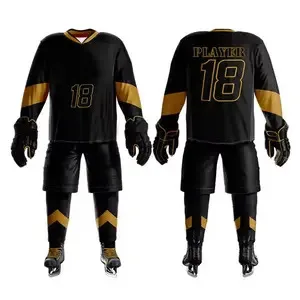
For example, protective sports gear such as an ice hockey uniform relies on dense fabrics to withstand impacts and friction during gameplay.
Enhanced Barrier Protection
Dense fabrics provide better protection against environmental factors such as wind, cold, and minor abrasions. They act as a barrier, reducing the penetration of external elements.
This is particularly important in outdoor and winter apparel, where maintaining body warmth is essential.
Resistance to Wear and Tear
Garments made from high-density fabrics tend to last longer, as they are less prone to tearing or fraying. This makes them a preferred choice for heavy-duty applications.
Many top activewear manufacturers prioritize durability by incorporating higher-density fabrics in performance apparel.
The Impact of Fabric Density on Comfort
Breathability
Low-density fabrics allow air to circulate more freely, making them more breathable. This is essential for maintaining comfort, especially in warm conditions or during physical activity.
However, overly dense fabrics can trap heat and moisture, leading to discomfort if not properly engineered.
Flexibility and Movement
Lighter, less dense fabrics generally offer greater flexibility, allowing for a wider range of motion. This is particularly important in sportswear and activewear.
A skilled streetwear manufacturer often balances density with stretch to ensure garments remain comfortable without compromising structure.
Weight and Feel
Fabric density directly affects the weight of a garment. High-density fabrics are heavier and may feel more structured, while low-density fabrics are lighter and softer.
The ideal choice depends on the intended use—lightweight fabrics for activewear and heavier fabrics for protective gear.
Balancing Protection and Comfort
Achieving the right balance between protection and comfort is one of the biggest challenges in apparel design. Too much density can lead to stiffness, while too little may compromise durability.
Layering Techniques
One effective approach is layering different fabrics. A dense outer layer can provide protection, while a lighter inner layer ensures comfort.
Blended Fabrics
Combining fibers such as cotton, polyester, and elastane allows manufacturers to create fabrics that offer both strength and flexibility.
Working with a sustainable sportswear manufacturer can also ensure that these blends are environmentally friendly without sacrificing performance.
Advanced Fabric Engineering
Modern textile technologies enable precise control over fabric density. Techniques such as engineered knitting and variable density weaving allow different parts of a garment to have different properties.
Fabric Density in Sportswear
High-Impact Sports
Sports like hockey, football, and rugby require high-density fabrics for protection. These garments must withstand intense physical contact while maintaining structural integrity.
An ice hockey uniform is a prime example, combining dense materials for protection with strategically placed flexible zones.
Performance Training
In activities such as running or gym workouts, lighter fabrics are preferred. These allow for better airflow and moisture management.
Many top activewear manufacturers focus on optimizing fabric density to enhance performance and comfort simultaneously.
Outdoor Activities
Outdoor sportswear often uses medium to high-density fabrics to protect against environmental conditions while maintaining breathability.
Sustainability Considerations
Fabric density also plays a role in sustainability. Higher-density fabrics tend to last longer, reducing the need for frequent replacements. However, they may require more resources to produce.
A responsible sustainable sportswear manufacturer focuses on:
- Using recycled or organic materials
- Reducing waste during production
- Creating durable garments that extend product life cycles
Balancing density with sustainability is becoming increasingly important in the global apparel industry.
Manufacturing Considerations
Material Selection
Choosing the right fibers is crucial for achieving the desired density. Natural and synthetic fibers offer different benefits in terms of strength, breathability, and flexibility.
Production Techniques
Weaving, knitting, and finishing processes all influence fabric density. Advanced machinery allows for greater precision and consistency.
Quality Control
Ensuring uniform density across the fabric is essential for maintaining performance standards. Inconsistent density can lead to weak points in the garment.
Collaborating with experienced custom clothing manufacturers helps ensure high-quality production and reliable results.
Trends in Fabric Density Optimization
Smart Textiles
Innovations in smart fabrics are enabling dynamic density adjustments based on environmental conditions or activity levels.
Lightweight Protection
Manufacturers are developing high-density fabrics that are lighter in weight, offering protection without compromising comfort.
Customization
Brands are increasingly offering customized fabric densities tailored to specific applications, often working closely with a streetwear manufacturer.
Eco-Friendly Innovations
Sustainable materials are being engineered to provide optimal density while minimizing environmental impact.
Choosing the Right Fabric Density
Selecting the appropriate fabric density depends on several factors:
- Intended use of the garment
- Environmental conditions
- Level of physical activity
- Desired balance between durability and comfort
Consulting with industry experts, including top activewear manufacturers, can help businesses make informed decisions.
Future of Fabric Density in Apparel
The future of fabric density lies in innovation and adaptability. Advances in textile engineering will continue to push the boundaries, enabling fabrics that are both highly protective and exceptionally comfortable.
Technologies such as nanofibers, 3D knitting, and bio-based materials are expected to revolutionize how fabric density is utilized in garment design.
As consumer expectations evolve, manufacturers will need to focus on creating versatile fabrics that meet diverse needs without compromising on sustainability or performance.