
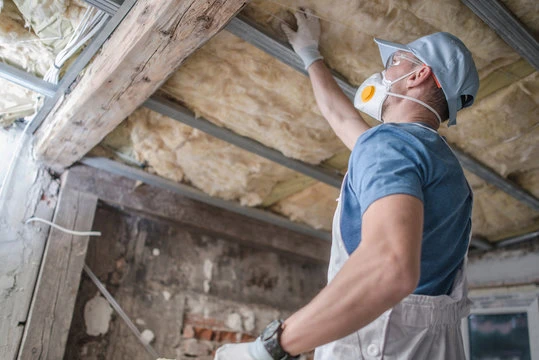
Experts enhance older homes in Temple by replacing degraded materials with modern insulation solutions in Temple that stop heat transfer. They focus on sealing the attic and wall cavities to prevent cool air from escaping during the hot Texas summers. These upgrades create a tighter building envelope, keeping indoor temperatures steady and reducing the workload on air conditioning units.
Local specialists use advanced techniques to find hidden gaps that homeowners often miss. By filling these spaces, they ensure the house stays comfortable even when temperatures rise above 100 degrees. This process is the most effective way to modernize an aging structure without changing its historical look or feel.
Lower Monthly Utility Expenses for Homeowners
One of the biggest reasons people update their homes is to save money on electricity. Older houses in Temple often have thin or settled material that does not block heat effectively. Proper Insulation allows the cooling system to run less often while keeping the house at a pleasant temperature.
When the air conditioner does not have to work as hard, the monthly bills drop significantly. Market data shows that sealing air leaks and adding fresh material can reduce energy costs by up to 15 percent on average. In older homes with very poor coverage, those savings can be even higher.
Bonus TipHomeowners should check for local energy efficiency programs that offer tax credits or rebates for attic upgrades. These programs often help cover the initial project costs and make the investment pay off much faster.
Consistent Comfort Throughout Every Room
Older homes often suffer from uneven temperatures, with some rooms feeling like ovens while others stay cool. Specialists fix this by ensuring that every part of the ceiling and walls has a thick, even layer of protection. This stops the sun from baking the rooms directly under the roof.
By creating a uniform barrier, experts eliminate the drafts that often blow through old electrical outlets or window frames. This makes the entire living space usable year-round. Families no longer have to avoid certain parts of the house during the peak of summer.
Fixing Hot Spots in the Attic
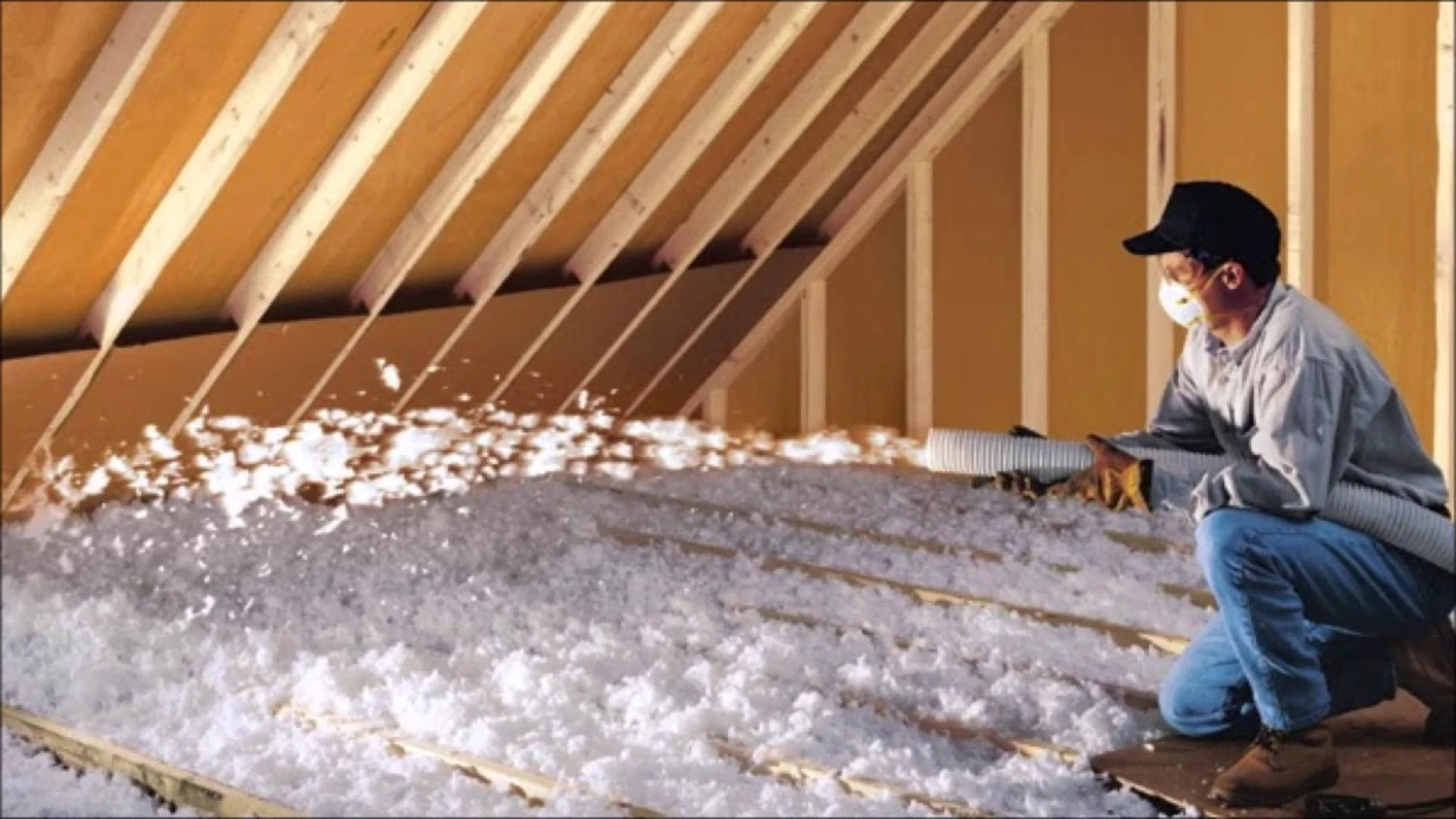
Attics are the main source of heat gain in older Central Texas properties. Professionals focus on these areas because they act like a giant radiator sitting on top of the house. They use materials that reflect heat or block it entirely from entering the living spaces below.
Sealing Small Cracks Around Pipes
Even a small hole around a vent pipe can allow a large amount of hot air to enter the home. Professionals use specialized foams to seal these tiny openings before adding the main layer of material. This attention to detail is what separates an expert job from a basic DIY attempt.
Technical Note on R-Value RequirementsThe R-value measures a material's resistance to heat flow, and older homes in Temple typically need at least R-38 to R-60 in the attic to meet modern standards.
Improved Air Quality and Reduced Allergens
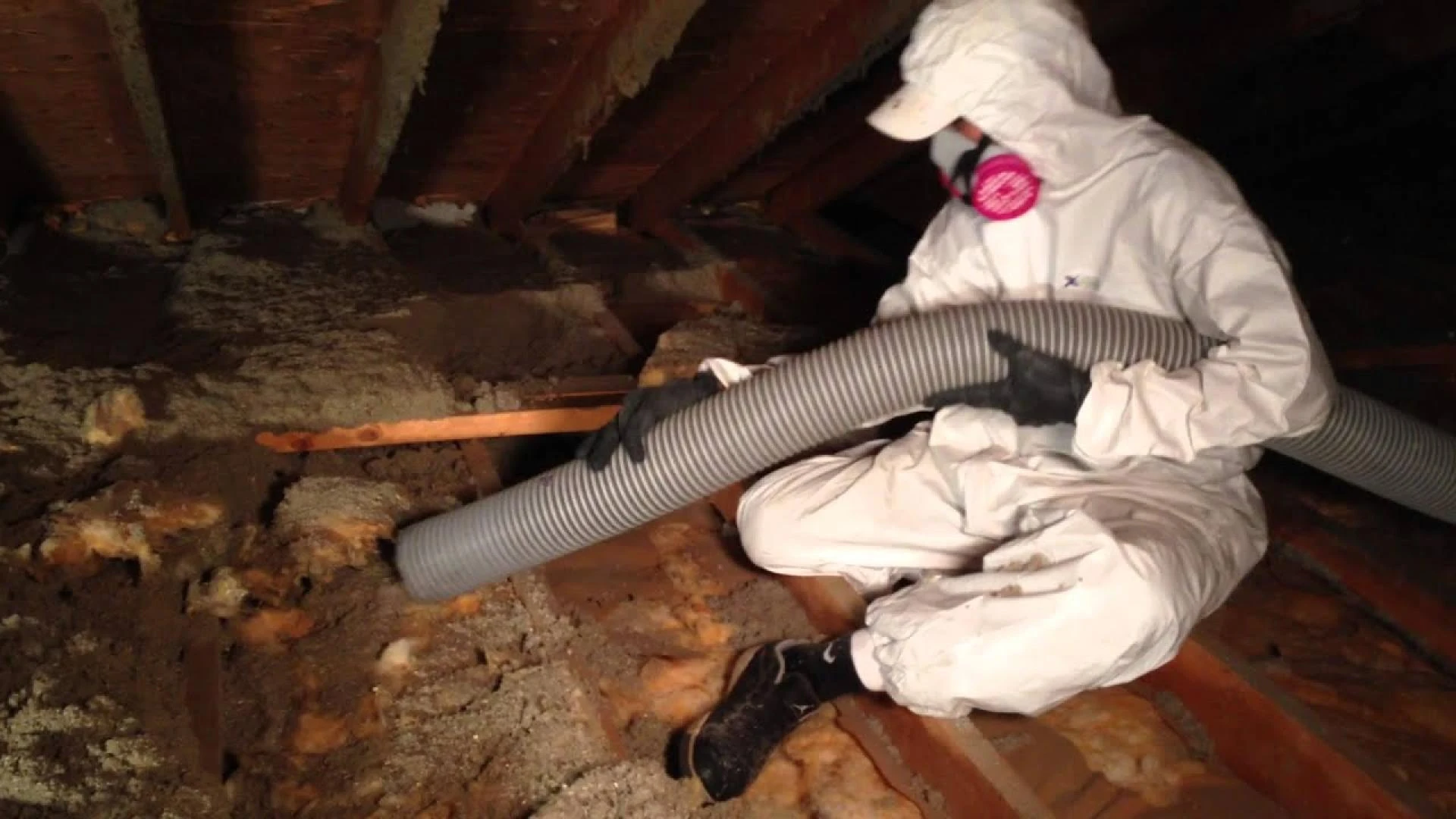
Aging materials in walls and attics can become a breeding ground for dust and pests over several decades. Specialists remove these old, dirty layers and replace them with clean, modern options that do not shed fibers. This leads to a much cleaner environment for people with allergies or asthma.
Modern materials are also better at blocking outdoor pollutants, such as pollen and smoke. Because the house is sealed more tightly, the air that moves through the home is filtered more effectively by the HVAC system. This results in less dust on furniture and cleaner air to breathe every day.
Significant Noise Reduction from the Outdoors
Living near busy streets or construction zones in Temple can be loud, but experts can help quiet the noise. Thicker materials in the walls and attic act as a sound sponge that absorbs vibrations from cars and lawnmowers. This creates a peaceful indoor environment that is perfect for sleeping or working from home.
Protection Against Moisture and Structural Damage
Humidity is a major concern in Central Texas, and it can cause wood rot in older houses if not managed. Insulation Experts use vapor barriers to keep moisture from seeping into the house's wooden frame. This prevents mold and mildew from growing in hidden areas.
By keeping the wooden studs and joists dry, these upgrades help the house stay strong for many more years. Preventing moisture damage is much cheaper than replacing rotten wood or dealing with a major mold problem. It is a proactive way to maintain the value of an older property.
Increased Total Value of the Property
An energy-efficient home is a very attractive feature for potential buyers in the Temple real estate market. When a house has been professionally updated, it shows that the owner has taken good care of the structure. Buyers are often willing to pay more for a home that has low utility costs and a quiet interior.
- Updated homes sell faster because buyers do not have to worry about immediate upgrades.
- Documented energy savings can be used as a selling point during the listing process.
- Professional installation provides a warranty that gives new owners peace of mind.
- Better thermal protection prevents the HVAC system from wearing out too soon.
Keep all receipts and reports from the installation to show to an appraiser. Proving the house meets modern efficiency standards can directly lead to a higher home valuation.
Factors to Consider Before an Upgrade
Homeowners should consider a few things before starting an insulation project. The house's current condition is the most important factor, as any existing leaks or roof issues must be addressed first. It is also helpful to consider how long the family plans to stay in the home.
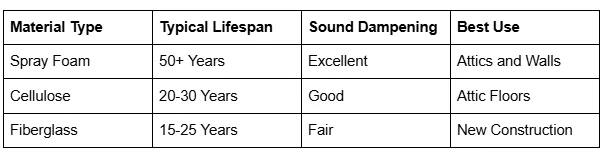
The choice of material depends on the homeowner's budget and specific goals. Some materials are better at blocking heat, while others are better at stopping noise. Talking to a local expert helps clarify which option provides the most value for a specific type of older home.
Final Thoughts on Upgrading Older Structures
Updating the thermal barrier in an older Temple home delivers immediate comfort and cost savings. By focusing on the attic and sealing air leaks, experts help these classic houses perform like new constructions. Homeowners should evaluate their property and consult with a specialist to find the best solution for their needs. Taking these steps ensures the home remains a comfortable and valuable asset for the long term.
Professional Assistance in Temple
If a home feels drafty or the energy bills are too high, it might be time for a professional assessment. Spray Foam Tech helps local residents improve their homes with high-quality materials and expert installation. They understand the unique challenges of Central Texas weather and provide solutions that last for decades. To learn more or to schedule an evaluation, contact them at [email protected] or call (737) 777-9590. Their team is ready to help make any older home more efficient and comfortable.
Questions People Ask About Older Home Insulation
How long does it take to install new material?
Most professional crews can finish an attic upgrade in one or two days. They work quickly to ensure the home is not left open to the elements for very long.
Will it make my house smell like chemicals?
Professionals use modern products designed for indoor use. Any slight odor usually dissipates within a few hours after installation is complete.
Should I remove the old material first?
If the old material is wet, moldy, or full of dust, it is always best to remove it. This ensures the new layer can do its job without trapping old problems underneath.
Is spray foam better than fiberglass for old houses?
Spray foam is often better for older homes because it expands to fill irregular gaps in the aging wood frame. Fiberglass cannot seal air leaks, so it is less effective at stopping drafts.
Can I do this project myself?
While some small tasks can be DIY, hiring experts is safer and more effective. They have the right gear to handle the dusty environment and the tools to ensure the coverage is perfect.
Reviewer: Maria Lopez reviewed the article and brought 12 years of insulation industry experience to improve the guidance. Practical tips were added, and the content was made clearer and more useful for contractors working in the field every day.