Infrastructure development is one of the most significant drivers of economic growth and urban expansion. Across Australia, major investments in transportation networks, utilities, renewable energy projects, residential developments, and public infrastructure continue to reshape cities and regional communities. As project pipelines expand, access to specialized machinery and equipment has become increasingly important for maintaining efficiency, controlling costs, and meeting project deadlines.
In Queensland, the construction and civil engineering sectors are experiencing sustained activity due to population growth, urban development initiatives, and ongoing government infrastructure investments. However, managing equipment requirements for large-scale projects presents several challenges. Purchasing machinery outright often involves substantial capital expenditure, maintenance obligations, storage costs, and long-term asset management considerations. As a result, equipment rental has become an increasingly important component of modern construction strategies.
One of the primary benefits of equipment rental is flexibility. Construction projects frequently have changing requirements based on project stages, site conditions, and operational needs. Access to rental equipment allows contractors to acquire machinery when required without committing to long-term ownership costs. This approach can improve resource allocation while preserving capital for other business priorities.
The growing demand for plant and equipment hire Brisbane reflects broader industry trends toward operational efficiency and cost management. Contractors can access specialized machinery for specific project phases, ensuring they have the right equipment available without maintaining extensive fleets that may sit idle between projects.
Another key factor driving equipment rental demand is technological advancement. Construction machinery continues to evolve, with newer equipment offering improved fuel efficiency, enhanced safety systems, automation capabilities, and environmental performance. Purchasing machinery can expose businesses to technology obsolescence risks, whereas rental models provide access to modern equipment without requiring continual capital investment.
The construction industry is also facing increasing pressure to improve productivity. Delays caused by equipment shortages, breakdowns, or inadequate machinery can significantly impact project timelines and budgets. Rental solutions provide businesses with greater flexibility to adjust equipment availability based on workload fluctuations, helping maintain operational continuity during critical project stages.
For civil construction projects, access to experienced operators can be just as important as access to machinery itself. Many infrastructure projects require highly skilled personnel capable of operating complex equipment safely and efficiently. Consequently, demand for wet machinery hire Brisbane has increased, particularly on large-scale projects where operational expertise is essential to project success.
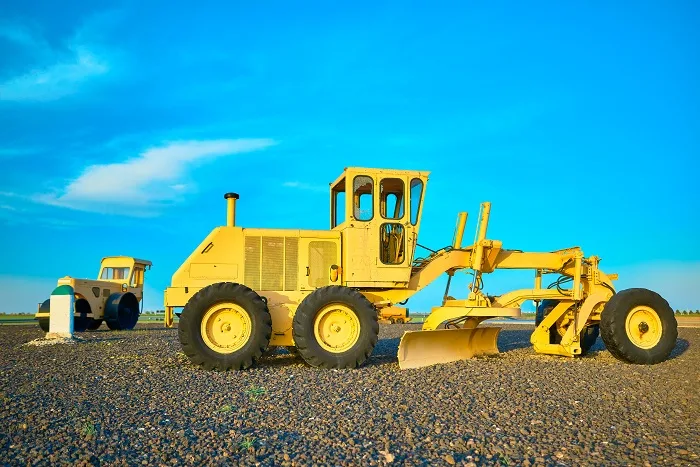
Population growth throughout Queensland continues to create demand for transportation infrastructure, water management systems, residential developments, and industrial facilities. These projects often require a diverse range of machinery, including excavators, graders, rollers, loaders, dump trucks, and specialized earthmoving equipment. Rental models allow project managers to scale equipment resources according to project requirements without carrying the financial burden of permanent ownership.
Environmental considerations are also influencing equipment strategies. Sustainability objectives are becoming increasingly important across the construction sector. Newer machinery often incorporates advanced emissions reduction technologies, improved fuel consumption rates, and lower environmental impacts. Equipment rental provides contractors with access to these advancements while supporting broader sustainability goals.
Safety remains another critical factor. Construction sites involve complex operating environments where machinery performance directly influences workplace safety. Regular maintenance, compliance inspections, and equipment upgrades are essential for minimizing operational risks. Rental equipment is often subject to stringent maintenance schedules, helping ensure machinery remains compliant with industry safety standards.
As project complexity increases, many contractors rely on wet plant hire Brisbane to secure both equipment and qualified operators. This approach can improve productivity by ensuring that machinery is operated by personnel with relevant experience and site-specific expertise. It can also help address labor shortages affecting certain sectors of the construction workforce.
Technology is further transforming equipment management practices. Telematics systems, GPS tracking, predictive maintenance tools, and equipment performance monitoring technologies are providing valuable insights into machinery utilization and operational efficiency. These innovations help project managers make data-driven decisions regarding equipment deployment, maintenance scheduling, and resource allocation.
Infrastructure projects often involve fluctuating workloads that require different types and quantities of equipment at various stages. Earthworks, foundation preparation, utility installation, road construction, and finishing activities each have unique machinery requirements. Rental models provide the flexibility needed to respond to these changing demands efficiently.
The growing importance of civil construction machinery rental Brisbane reflects the industry's focus on adaptability and cost-effective project delivery. Rather than investing heavily in equipment that may only be required for specific project phases, contractors can access machinery when needed and return it once tasks are completed.
Economic conditions also play a role in equipment management decisions. Rising financing costs, inflationary pressures, and evolving market conditions encourage many businesses to prioritize operational flexibility. Equipment rental can help reduce financial exposure while supporting project execution during periods of economic uncertainty.
Looking ahead, Queensland's infrastructure pipeline is expected to remain strong as governments and private investors continue supporting growth initiatives. Transportation upgrades, renewable energy developments, housing projects, and public infrastructure investments will likely sustain demand for construction machinery and equipment services.
At the same time, advances in automation, machine control systems, and digital project management technologies will continue shaping the future of construction equipment utilization. Businesses that embrace flexible equipment strategies may be better positioned to adapt to evolving project requirements and industry expectations.
Ultimately, equipment rental has become an integral part of modern construction and civil engineering operations. By providing access to specialized machinery, supporting cost management objectives, enhancing operational flexibility, and improving project efficiency, rental solutions play a vital role in helping the industry meet the demands of Australia's growing infrastructure landscape.
Author Bio
The author Rob covers construction industry trends, infrastructure development, and equipment management strategies. His research frequently explores plant equipment hire and civil construction machinery rental within Australia's evolving construction sector.