
Introduction
Modern digital infrastructure, including data centers and AI platforms, forms the backbone of today’s global economy. As businesses increasingly rely on digital operations, energy consumption has become a critical consideration. Optimizing energy use in these facilities is essential not only for reducing operational costs but also for minimizing environmental impact. Energy efficiency ensures that digital operations remain sustainable while meeting performance demands. Investing in these strategies can lead to substantial long-term benefits for both businesses and the environment.
Understanding Energy Consumption in Digital Infrastructure
Data centers, cloud computing platforms, and AI systems consume vast amounts of electricity due to high-powered servers, cooling systems, and storage networks. Studies show that energy consumption can account for up to 30% of total operational costs for large-scale digital infrastructure. This makes efficiency improvements a top priority for organizations aiming to reduce expenses and support sustainability goals.
Energy consumption impacts more than costs; it also affects carbon emissions. Businesses that fail to implement energy-efficient practices risk higher greenhouse gas emissions, which can lead to regulatory scrutiny and reputational challenges.
The Role of Energy Efficiency in Data Centers
Energy efficiency in digital infrastructure involves optimizing both hardware and software operations. Effective strategies include improving server utilization, upgrading to high-efficiency cooling systems, and implementing advanced power management tools. Organizations that work with an energy project management consultant can identify areas where improvements will yield the highest returns while aligning with sustainability objectives.
These consultants help organizations develop comprehensive energy management plans that include detailed assessments, technology recommendations, and implementation strategies. By focusing on efficiency from the outset, businesses can reduce energy waste, improve system reliability, and lower operating costs.
Key Strategies for Enhancing Energy Efficiency
Optimizing Hardware Performance
Modern servers and storage systems offer features that reduce energy consumption without compromising performance. Strategies include consolidating workloads, upgrading to energy-efficient components, and utilizing virtualization technologies. Efficient hardware not only reduces power usage but also minimizes heat generation, decreasing the load on cooling systems.
Advanced Cooling Techniques
Cooling is one of the largest energy consumers in data centers. Implementing techniques such as hot aisle/cold aisle containment, liquid cooling, and intelligent airflow management can dramatically reduce energy requirements. Advanced monitoring systems ensure that cooling is provided only where needed, preventing overconsumption and unnecessary energy waste.
Software and Workload Management
Optimizing software and workloads can further improve energy efficiency. Automated scaling, workload balancing, and predictive maintenance reduce unnecessary energy use. AI-driven analytics can predict peak demand periods and adjust resource allocation in real time, ensuring that infrastructure operates efficiently under varying conditions.
Renewable Energy Integration
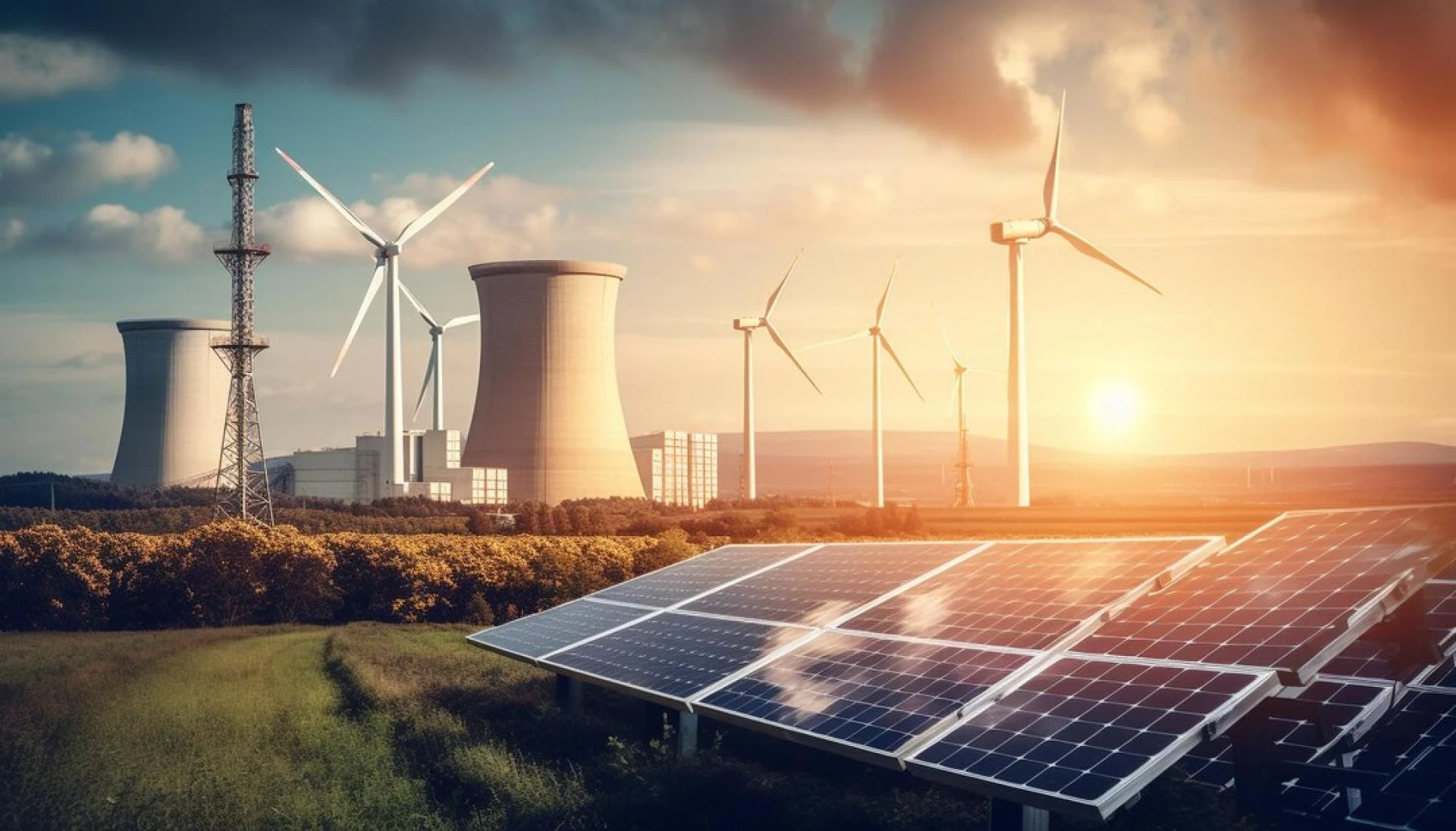
Integrating renewable energy sources such as solar, wind, or hydropower provides long-term sustainability benefits. Organizations that strategically incorporate renewable energy can offset emissions from traditional power sources and reduce dependence on nonrenewable electricity.
Economic and Environmental Benefits
Energy-efficient digital infrastructure delivers both financial and environmental advantages. Reduced energy consumption lowers utility costs, improves system reliability, and extends equipment lifespan. At the same time, minimizing energy use reduces greenhouse gas emissions, supporting corporate sustainability goals and compliance with regulatory standards.
Businesses increasingly report that investments in energy efficiency lead to measurable cost savings while enhancing operational resilience. The approach also strengthens corporate reputation, demonstrating a commitment to sustainability that can attract environmentally conscious clients and investors.
Overcoming Implementation Challenges
While the benefits of energy efficiency are clear, businesses often face challenges during implementation. High upfront capital costs, legacy infrastructure, and complex operational requirements can hinder progress. Organizations must prioritize projects based on feasibility and potential impact while leveraging expertise from consultants who specialize in energy optimization.
A structured implementation plan is essential. This includes identifying high-consumption areas, evaluating technology options, conducting cost-benefit analyses, and establishing performance metrics to track improvement over time.
Best Practices for Sustainable Digital Operations
Organizations looking to optimize energy use and integrate advanced technologies can benefit from partnering with experts in digital infrastructure consulting services. This ensures that energy optimization strategies are effectively implemented across all systems, from server operations to cooling and power management.
- Conduct a comprehensive energy audit of all digital infrastructure components.
- Develop a phased implementation roadmap that targets efficiency, renewable energy adoption, and process optimization.
- Engage experts such as VZFOX Canada Ltd to ensure technical accuracy and strategic alignment.
- Implement monitoring and reporting systems to continuously track energy performance.
- Encourage a culture of energy awareness among IT staff and operational teams.
Conclusion
Energy efficiency is a cornerstone of sustainable digital infrastructure. By optimizing hardware, cooling, software, and incorporating renewable energy, organizations can significantly reduce operational costs and environmental impact. Consulting with experts and following a structured approach ensures that efficiency initiatives deliver measurable results while supporting long-term sustainability goals.
Frequently Asked Questions
Why is energy efficiency important in digital infrastructure?
Energy efficiency reduces operational costs, extends equipment life, and minimizes environmental impact.
How can data centers reduce their energy consumption?
Through hardware optimization, advanced cooling techniques, workload management, and renewable energy integration.
What role does an energy project management consultant play?
They assess current energy usage, recommend solutions, and help implement strategies for improved efficiency and sustainability.
Can renewable energy fully power a data center?
In many cases, renewable energy can offset a significant portion of electricity use, but hybrid solutions are often necessary for reliability.
What are the biggest challenges in achieving energy efficiency?
Challenges include high upfront costs, legacy systems, and the complexity of large-scale infrastructure.
How do efficiency improvements benefit businesses beyond cost savings?
They enhance operational reliability, reduce carbon emissions, and strengthen corporate sustainability credentials.