
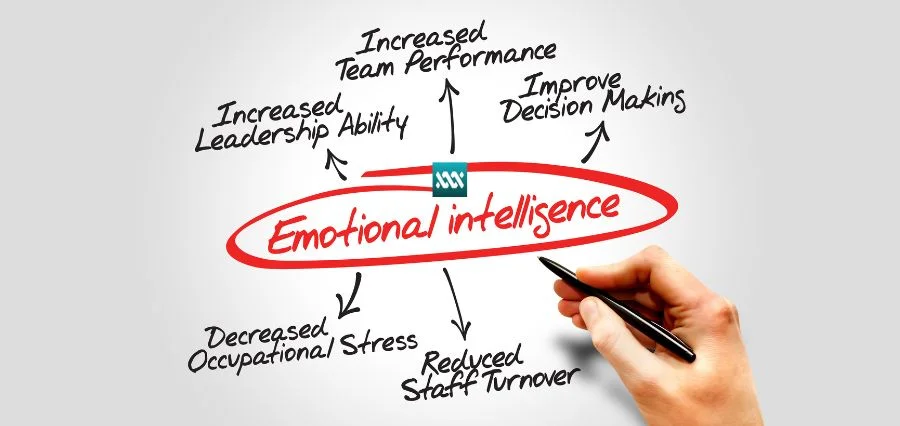
Emotional Intelligence: The Hidden Power of Excellence
Emotional Intelligence is the most crucial work skill of the day. It's IQ or technical ability plus, but it's learning how to know, see, and navigate our own feelings and to maybe get somebody else to change their emotional state as well. With more and more people- and relationship-based businesses opening up, this dynamic component is no longer a soft skill but a business asset.
In the rapidly accelerating, highly interconnected business world of the present, high EI people are not only effective managers but effective group members, improved negotiators, and improved problem solvers. Increasing needs for leadership and collaboration highlight the importance of developing and valuing EI across all organizational levels.
Why Emotional Intelligence Reigns Supreme Over IQ Today in Business
When firms sift through applicants to hire them, grades and university degrees are not the entire story anymore. Emotional Intelligence is the deciding factor to get hired or not. Why? Because more EI staff have better self-awareness, flexibility, and conflict resolution—good skills to be expert in uncertain times.
Today, organizations seek individuals who are good communicators, keep their cool in stressful situations, and empathize in the face of complex problems. They boost levels of self-confidence, reduce job pressure, and create constructive working relationships. Recruitment managers, on the other hand, increasingly employ EI during job interviewing of job applicants in the use of behavioral questions, group testing, and personality testing.
Improving Team Performance through Emotional Intelligence
Emotional Intelligence is the key to team performance itself. A team with high EI members is improved as a consequence of greater communication, self-regulation, and respect for one another. These professionals actively listen, provide positive feedback, and are aware of team morale.
Although conflicts are unavoidable, highly EI ones resolve them peacefully, without escalation and team disintegration. Under pressure, they draw out the team's composure and problem-solving focus. Their capacity to direct team energy and attitude towards positive results brings success in productivity and innovation.
Emotional Intelligence and Leadership: A Winning Formula
Good leaders are not simply strategic thinkers—good leaders are emotionally intelligent. They are socially skilled, self-aware, and emotionally intelligent decision-makers and are more likely to be higher on Emotional Intelligence than average leaders. They lead with empathy, building a more inspiring and inclusive culture.
These are the managers who build commitment and loyalty through empathy of employees’ feelings, caring the genuine way, and self-growth. They are neither micromanaging but rather they are putting their capital in trust and transparency in teams for empowering them. Thus, employees feel valued and loved, leading to performance and retention.
The Link Between Customer Experience and Emotional Intelligence
Value of Emotional Intelligence is not only innate but also have direct impact on the customer experience. Customer service roles require empathy, patience, and emotional regulation, primarily in case of complaints and misunderstandings.
High EI workers can read an emotional indicator from a customer, understand, and diffuse an angry transaction in seconds. This ability to relate to people and de-escalate tension behind the scenes has the potential to turn angry customers into brand champions. In the modern competitive market space, the human touch is a competitive brand edge.
Hiring for Emotional Intelligence: What Recruiters Want
As the prime motivator for work is Emotional Intelligence, the recruiters are developing talent-scouting capabilities. Instead of depending on resumes and word of mouth, they are looking for emotional competencies like empathy, flexibility, motivation, and people skills.
Candidates are usually evaluated through situational judgement tests and interview questionnaires examining how they emotionally react to emotionally evocative situations. Candidates are also questioned regarding stress management, acceptance of feedback, and social behavior— EI measures more than qualifications are worth.
Building Emotional Intelligence in the Workplace
The good news is that Emotional Intelligence can be trained and developed. Companies that invest in EI training interventions also start to realize qualitative gains in employees' motivation, teamwork, and leadership abilities.
Employees can acquire awareness, empathy, and emotional regulation capabilities in workshops, coaching, and self-reports. Communication transparency, psychological safety, and learning culture also facilitate the growth of emotions in the organization.
Other than that, leaders can be emotionally intelligent through their behavior being receptive to feedback, sympathetic to criticism, and attuned to variation in emotional expression. When emotional intelligence is embedded in an organizational DNA, the workplace is resilient and harmonious.
The Future of Work and the Power of Emotional Intelligence
Future work is more human-focused. Routine works are done by AI and automation, but Emotional Intelligence is worth it. Emotional intelligence, teamwork, and empathy are becoming increasingly important as the catalyst for sustainable business growth. In virtual or hybrid workplaces, where tech is the ruler of communication, EI is even more essential. Being more aware of tone, feeling a sense of belongingness, and infusing trust without touching becomes a top priority. Leaders and workers must be emotionally flexible enough to create healthy relationships and best performance in virtual environments. Conclusion: Turn Emotional Intelligence into Your Career Strength Emotional Intelligence is something of a phenomenon, but also a career shortcut. It's a way of describing the way we relate to ourselves and other individuals, the way we get results, and the way we manage. As the nature of work evolves today, those who manage EI well will be better positioned to drive change, drive results, and generate sustainable results. Placing Emotional Intelligence into hiring, collaboration, leadership, and customer service is not profitable to employees—business is more profitable to employees. As a job candidate, team leader, or executive, an investment in EI will yield business returns in performance, relationships, and long-term success.