
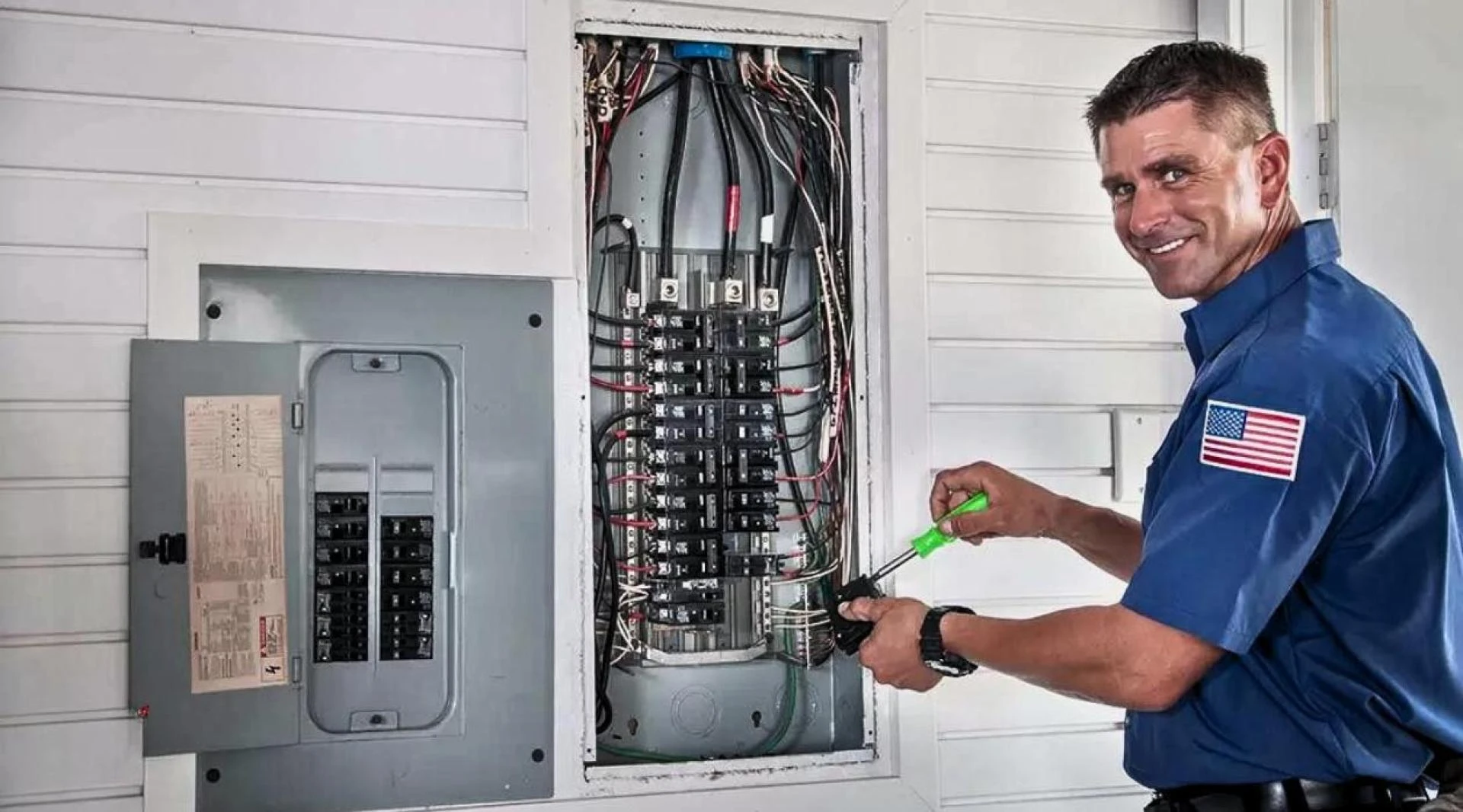
The electrical panels from the heart of the wiring system in any building. They receive the power generated by the power company and split it safely into the various places in your building or house. Although they appear complex at first sight, their main objective is to regulate and safeguard the flow of electricity.
They act as the interface between the power given to the utility company and the different rooms, appliances, and systems that require this power in your home. An electrical panel provides an orderly and safe mode of distributing electricity within a building, and its absence would deprive people of electricity.
Contractors and builders often rely on electrical estimating services to plan these systems accurately. These services calculate the costs for materials, labor, and installation, helping professionals design electrical setups that meet safety standards and project budgets.
Whether you are constructing a new house, updating your current system, or merely want to know how your lights and outlets work behind the scenes, the knowledge of how an electrical panel functions might assist you in utilizing energy more safely and efficiently.
Step-by-Step: How Electrical Panels Work
Let’s go through the entire process of how electricity enters a home and is managed by the electrical panel:
1. Electricity Arrives from the Utility Company
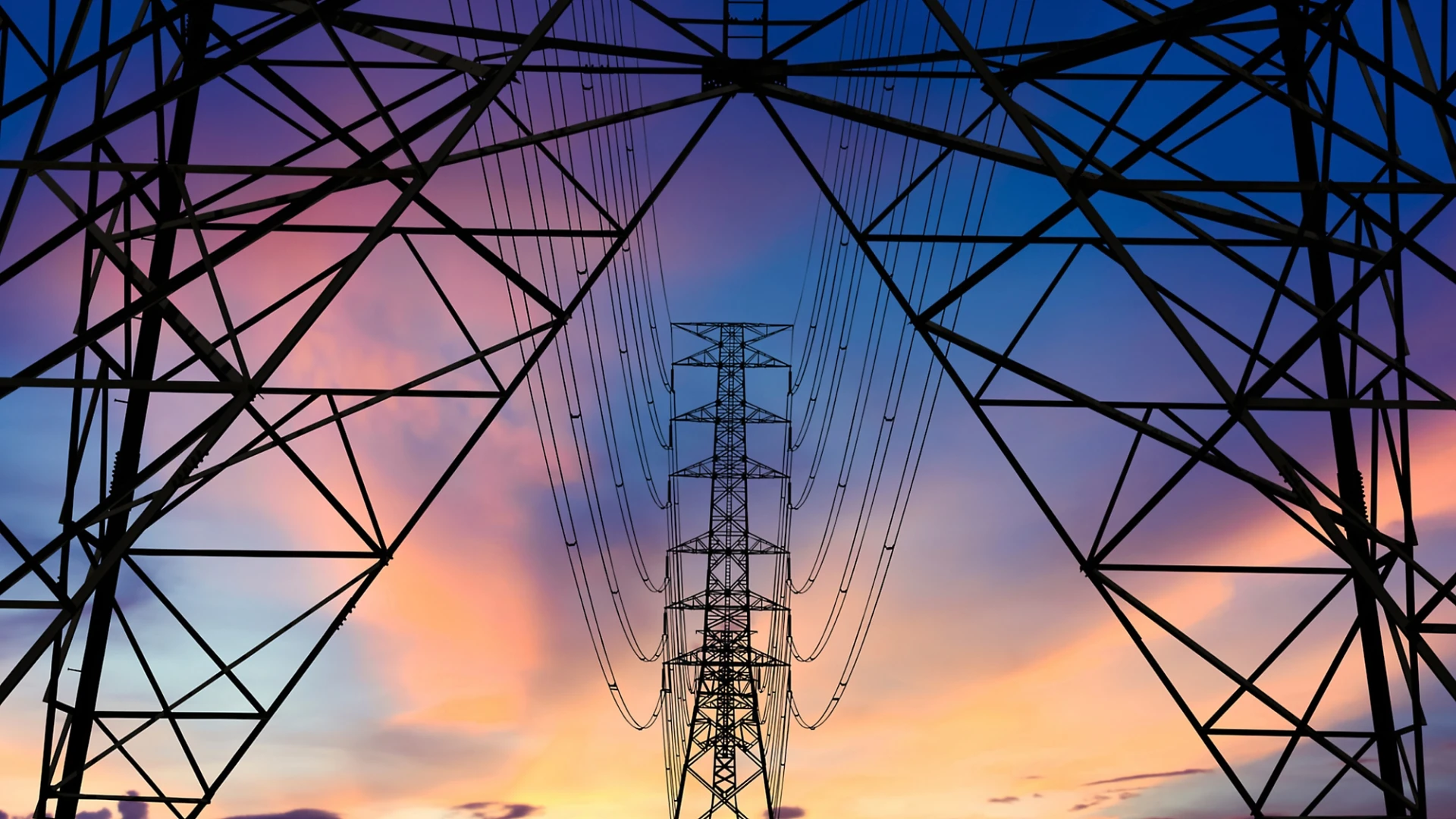
Electricity is produced by a power plant and is carried to your neighborhood by transmission lines. It is then transmitted into your house via a service line, either overhead or underground, and through a meter, an electric meter that reads the amount of power utilized by your household.
2. Electricity Enters the Main Breaker
The power runs into your main electric panel after the electric meter. Within the panel, the initial point is the main breaker. It is a huge switch that regulates the inflow of electricity to the rest of the panel.
When the main breaker is switched off, all house power is switched off. When it is turned on, the electricity is passed to the other component of the circuit.
3. Bus Bars Distribute Power
Electricity flows through a main breaker into bus bars, which are metal strips that carry electricity within the panel. These bars split power to the respective circuit breakers.
Two hot bus bars (240-volt service) are typically used with a neutral bus bar and ground bus bar. Each circuit breaker is connected to one of the hot bus bars to enable it to direct the transmission of power to a particular circuit.
4. Circuit Breakers Control Power to Individual Circuits
A circuit breaker is similar to the on/off switch of a particular part of your house. When switched, it allows power to be supplied by the bus bar to a wire that runs out to outlets, lights, or appliances in a specific area.
In the case of a problem, such as excess power being used (an overload) or a short circuit, the breaker will trip, or automatically turn off, to prevent fires or electrical damage.
Breakers have different types:
- 15-amp or 20-amp Breakers: Conventional lighting and receptacles.
- 30-60 amp Breakers: Large appliances, such as a dryer or an oven.
- GFCI Breakers: Prevent shock in wet locations (kitchen, bathroom).
- AFCI Breakers: Fire protection against arcing faults.
5. Electricity Travels Through Wires
After a breaker is enabled, power passes through it, and the power flows through the wires:
- The power runs to the device through the hot wire (typically black or red).
- The neutral (white) wire loops the circuit back to the panel, carrying power away.
- The ground wire (green or bare copper) will provide a safe path to the ground in case of an incident of stray electricity.
These are three safe, closed-loop wires that enable electricity to move around and any used at home.
6. Return Path to Complete the Circuit
When all the work has been completed by electricity, such as turning on a bulb or toaster, electricity flows back in the neutral wire and into the neutral bus bar in the panel. It then returns to the power grid through the same route.
The ground wire, however, does not typically carry electricity except in the case of a fault. It serves by safely guiding electrical surges back to the earth.
Why Circuit Breakers Trip
Circuit breakers are safety devices. It trips automatically or shuts off when some unusual thing has occurred in the electrical system to prevent the flow of electricity.
Reasons that cause tripping:
- Circuit Breaker: It had too many things that had been plugged in.
- Short Circuit: During a short circuit, a hot wire may be in contact with a neutral or ground wire.
- Ground Fault: Electric current follows an unwanted route.
- Bad Equipment: A defective appliance will trip the breaker.
Whenever a breaker trips, you are able to reset it by turning it off completely, then turning it back on again. But frequent tripping is an indication of danger and ought to be investigated by a qualified electrician.
What Happens If There’s No Breaker Protection?
In the absence of an electrical panel and breakers, electrical issues may result in:
- Wire overheat fires
- Electrocution by open or faulty circuitry
- Long-term ruin of household instruments or electrical gadgets
The electrical panel serves as the control hub as well as the safety system. It enables you to control power safely and turn off electricity to any space when necessary.
Modern Features in Newer Panels
The new Smart panels have Smart features:
- Real-time monitoring of energy consumption
- Tripping breaker alerts should be sent
- Permit control through smartphone appliances
- Simple to combine with solar panels and battery systems
Smart panels have the potential to be more energy efficient and assist in diagnosing issues sooner as compared to standard panels.
Conclusion
Electrical panels operate by connecting the power supplied by the utility company and safely distributing it around your house. Within the panel, the main breaker governs the overall supply of power, the bus bars deliver such power to circuit breakers, and circuit breakers deliver the power to a certain area via the wires.
Whether there is too much, a short, or a bad break, the breaker automatically terminates the flow instantly to safeguard you and your house.
You may not even consider your electric panel, but it serves a very crucial role each time you switch on a light, plug in a charger, or operate an appliance. When you know how it works, you can keep yourself safe, solve problems, and make smart decisions regarding upgrading your electrical system.
FAQs
Can I add more breakers to my electrical panel?
Yes, under the condition that the panel has some additional space and capacity to accommodate more circuits. In case it is full, there might be an upgrade panel needed.
Is it safe to open my electrical panel?
Breakers can be reset by opening the front cover safely. You must not lay a hand on the inside wiring unless you are a licensed electrician.