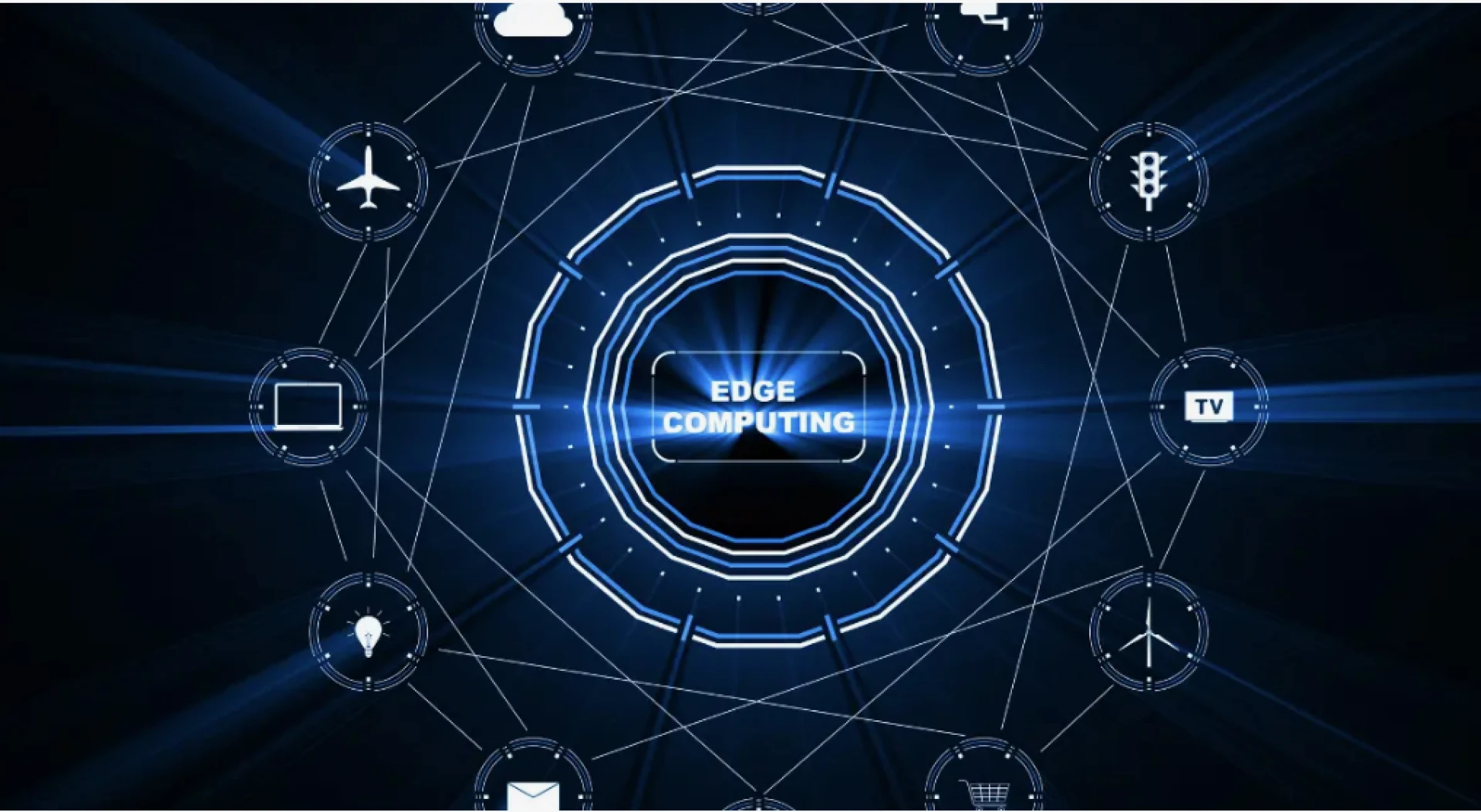
AI is growing fast across the world, and it is changing how devices work every day. Reports show that around 75 per cent of all data will be created outside traditional clouds and data centers.
This number keeps rising as more devices connect to the internet. At the same time, people expect quick results from apps and systems. No one likes a delay when a system responds. This need for speed brings edge computing into focus. It helps AI process data close to where it is created.
So devices do not always depend on the cloud. This improves speed and reduces delays. It also helps systems work in places where the internet is slow or unstable.
Here, you will learn six simple ways an edge system helps AI process data without using the cloud.
1. Faster Data Processing at the Source
Simply put, now AI can think and act at the point of data creation. Edge computing enables AI to handle data at the point of generation. This implies that devices like cameras, sensors, and machines are able to process data in real time. They do not have to send it to remote servers.
- Data stays near the source.
- Processing happens in real time.
- Results come without delay.
- Systems respond faster.
This approach saves time and improves efficiency. For example, a smart camera in a store can detect unusual activity and send alerts at once. It does not wait for cloud approval.
Why speed matters in daily use
Speed plays an important role in many industries. In healthcare, doctors need quick reports. In factories, machines must react fast to avoid errors. In traffic systems, signals must change at the right time. Edge supports all these actions by reducing delay. Faster systems create a better user experience and improve trust in technology.
2. Reduced Dependence on the Internet
Cloud-based AI depends heavily on an internet connection. If the network is slow or unstable, then performance drops. Edge system solves this problem by allowing devices to work locally.
- Works even with weak internet.
- No delay from network failure.
- Continuous performance
- Better support in remote areas.
Devices can process data on their own. This means they stay active even when the internet connection breaks.
How offline AI improves reliability
Offline AI improves system reliability in many ways. In farms, smart sensors can monitor soil and weather without the internet. In remote areas, security systems keep working without interruption. In transport vehicles, data can be tracked without network issues. Edge ensures that AI keeps running all the time. This makes it a strong solution for real-world use.
3. Better Data Privacy and Security
Data security is a big concern today. Sending data to cloud servers increases the risk of leaks or attacks. Edge computing keeps most data on local devices. This reduces exposure. When data does not travel far, it becomes harder for attackers to access it. This is important for sectors like healthcare finance and personal devices.
- Data stays close to the device.
- Less risk of cyber attacks.
- More control over sensitive data.
- Better privacy for users.
Keeping sensitive data safe
Sensitive data needs strong protection. Hospitals handle patient records. Banks manage financial data. Smart devices store personal details. Edge helps protect this data by keeping it local. Only necessary information goes to the cloud. This reduces risk and improves trust in AI systems.
4. Lower Bandwidth Usage
Cloud computing needs large data transfers. This increases network load and cost. Edge reduces this by handling most tasks locally. Instead of sending raw data, devices process it first. They only send useful results when needed.
- Less data is sent to the cloud.
- Reduced network traffic.
- Lower cost for data transfer.
- Faster system performance.
Smart filtering of data
Edge devices use AI to filter data before sharing it. They remove unnecessary details and keep only important information. This improves system efficiency. It also helps networks run smoothly without overload. Businesses benefit from lower costs and better performance.
5. Real-Time Decision Making
Many AI systems need instant decisions. Edge technology makes this possible by processing data without delay. Devices can react immediately to changing conditions.
- Quick alerts and responses.
- No waiting for cloud servers.
- Improved user experience.
- Better system accuracy.
For example, in self-driving technology, vehicles must react in seconds. Any delay can create risk. Edge system helps avoid such issues by making decisions on the spot.
Impact on smart devices
Smart devices depend on quick responses. In smart homes, lights and security systems must act fast. In smart cities, traffic signals must adjust in real time. Edge computing supports these systems by providing instant results. This improves safety and convenience for users.
6. Improved Efficiency and Cost Savings
Running AI on cloud servers can be expensive. It needs high storage and strong network support. Edge computing reduces these costs by handling tasks locally.
- Lower cloud usage
- Reduced storage needs
- Lower data transfer cost
- Better resource management
Businesses save money while improving performance. This makes edge computing a smart and practical choice.
Long-term benefits for businesses
Over time, companies see big benefits from this approach. They spend less on cloud services. They reduce network costs. They improve system speed and reliability. This leads to better customer experience and higher efficiency.
Conclusion
AI continues to grow and handle more data every day. Meanwhile, users demand quick and efficient performance of all systems they operate. Edge computing can address these requirements by bringing AI nearer to the data source. It minimizes time wastage and enhances speed. Information remains more secure, and systems are more dependable. The benefits are evident in faster processing and real-time decisions.
This is a method that businesses and industries are employing to enhance their systems and services. With the ever-increasing technology, edge systems will be even more important in AI. It will help build faster, smarter, and more efficient systems that support daily life and future innovation.