
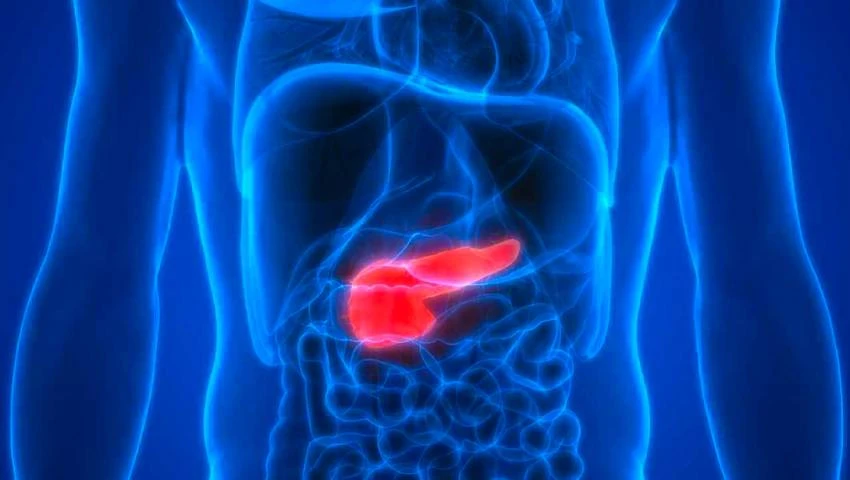
Pancreatic cancer is one of the most aggressive and deadly forms of cancer. The five-year survival rate of this cancer is just 10%. Today, the number of pancreatic cancer cases is increasing at an alarming rate, making it a matter of worry among doctors as well as individuals. One of the ways to tackle the growing cases of this condition is through early detection and diagnosis. When diagnosed at an early stage, there is a high chance of a successful treatment rate.
Often touted as a silent killer, pancreatic cancer doesn’t show any signs or symptoms at early stages. By the time the symptoms begin to appear, the cancer has advanced to the later stages, making it difficult to treat. In such cases, even surgery doesn’t qualify as a treatment option. It is advisable to be watchful of the following symptoms. Regardless of the cause, get yourself tested by a pancreatic doctor or gastroenterologist to rule out the chances of cancer.
- Unexplained weight loss
- Frequent episodes of jaundice
- Abdominal pain or discomfort
- Changes in bowel habits
- Tiredness and fatigue
Why Early Detection of Pancreatic Cancer is Important?
According to gastroenterologists, patients whose disease is diagnosed during the early stages have better outcomes in responding to the treatment. Moreover, cancer in its early stages has more treatment options, including surgery.
Improved Survival Rates
Early detection of cancer makes a significant difference in the survival rates of pancreatic cancer patients. When the disease is caught at an early or localized stage, the five-year survival rate may reach up to 30%, much higher than the average survival rate of this disease.
Greater Treatment Options
Surgery is the most effective treatment option for pancreatic cancer. It is only an option when the cancer is detected at an early stage. In such cases, a surgeon may remove the tumor or the affected portion of the pancreas, offering better outcomes and even a cure of the cancer.
Enhanced Quality of Life
When the cancer is detected at an early stage, the survival rates go up. It also offers a better quality of life to the patient. They save themselves from undergoing aggressive treatment regimens and experience fewer complications and side effects.
What are the Different Ways for Early Diagnosis of Pancreatic Cancer?
Currently, the medical industry is still studying and researching the different ways in which pancreatic cancer can be detected while in its early stages. Many approaches, such as awareness of symptoms, efforts to improve imaging, and studies focused on biomarkers, are used to help doctors diagnose, monitor, and treat the condition. Medical experts worldwide are making constant efforts to improve how people at high risk are found and monitored.
While the challenges of early detection of pancreatic cancer may be daunting, there have been some promising advances in recent years that offer hope for better outcomes.
Imaging Technologies
The doctor may order imaging technologies to rule out cancer upon suspicion. The technologies, such as CT scan, MRI, and endoscopic ultrasound, have improved the ability to detect pancreatic cancer during early stages. These technologies enable doctors to visualize the pancreas and find tumors and other abnormalities.
Genetic Testing
Genetic testing is one of the sought-after ways to check for cancer and other abnormalities. People with certain inherited genetic mutations, such as those associated with hereditary pancreatic cancer syndromes, may be closely monitored to find early signs of the disease.
Artificial Intelligence
Artificial intelligence, or AI, is playing a vital role in detecting early signs of pancreatic cancer. The introduction of machine learning algorithms helps analyse medical images, such as CT scans, to rule out potential abnormalities or tumors that might be missed by human radiologists. Medical experts are anticipating its potential to enhance early detection efforts manifold.
Other Methods
Besides the above-listed approaches, the doctors are using other options and screening methods for the detection of the disease, including surveillance programs and blood-based tests. As of now, no universal screening tests are available in the general population. However, researchers around the world are studying individuals who have a high chance of getting pancreatic cancer.
Who is at a High Risk of Getting Pancreatic Cancer?
It is vital to understand the risk factors associated with pancreatic cancer for early detection. While not all cases related to this cancer may be prevented, one can reduce the risk factors to decrease the likelihood of its development. The risk factors that increase the likelihood of developing pancreatic cancer include the following:
- Smoking is a significant risk factor to increase the chances of pancreatic cancer.
- Individuals with a family history of this cancer should opt for screening at regular intervals.
- People with chronic pancreatitis are at a higher risk of developing pancreatic cancer.
- Diabetes is also a risk factor to increase the likelihood of pancreatic cancer.
Takeaway
Be watchful of any minor signs and symptoms that may indicate the growth of a tumor in your pancreas or interfere with your quality of life. If you notice any signs mentioned above, visit a doctor for screening.