Outdoor spaces in Oklahoma face a tough set of challenges. From extreme heat to icy winters, building surfaces have to stand strong against a wide range of weather conditions. Stamped concrete in Oklahoma City has become a popular choice for patios, driveways, and walkways, but how well does it hold up in Oklahoma’s climate?
Let’s take a closer look at how stamped concrete performs through the seasons, what helps it stay strong, and what you can do to make sure it lasts.
Weather Challenges in Oklahoma
Oklahoma's climate is unique, with big swings in temperature and weather patterns. Some of the common conditions that surfaces have to handle include:
- Hot Summers: Temperatures often climb above 90 degrees, sometimes reaching over 100.
- Cold Winters: Freezing temperatures and occasional ice storms are common.
- Heavy Rainstorms: Sudden downpours can lead to water pooling and erosion.
- Strong Winds and Hail: Wind-driven debris and hailstorms can damage outdoor surfaces.
- Intense Sun Exposure: UV rays can cause fading and surface wear over time.
Because of these factors, outdoor materials need to be tough, flexible, and resistant to moisture, heat, and cold.
How Stamped Concrete Handles the Climate
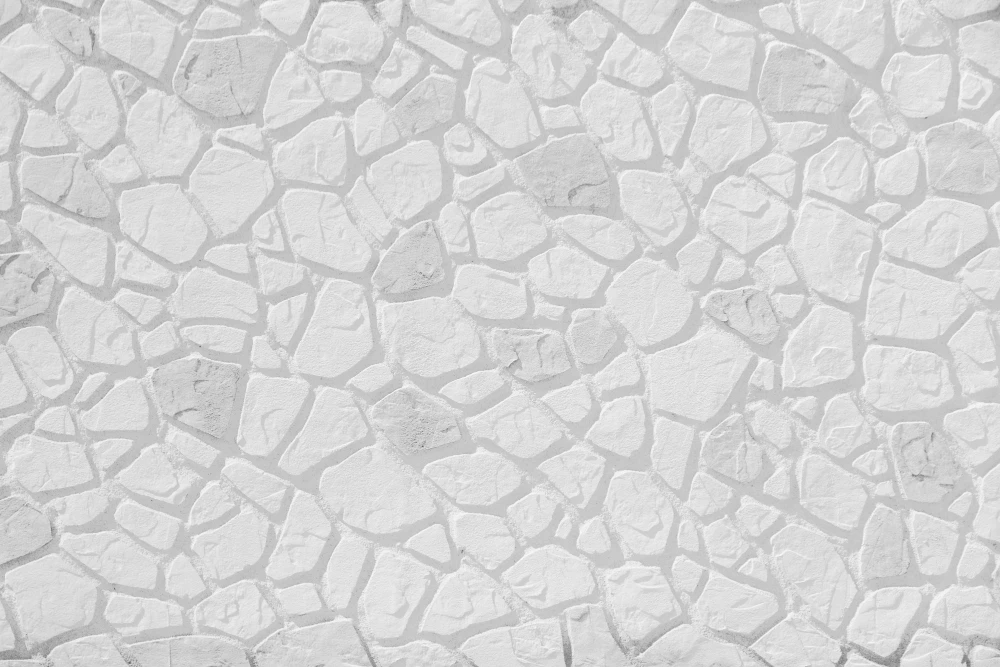
Stamped concrete is poured and shaped while wet, allowing it to take on many designs that look like stone, brick, or wood. Once the stamping is done, a sealer is applied to protect the surface. The combination of strong concrete and protective sealing gives many advantages for Oklahoma homes.
Here’s how it holds up:
1. Resistance to Freeze-Thaw Cycles
- Problem: Water can seep into cracks and freeze in winter, causing damage.
- Stamped Concrete's Defense: A good sealer keeps moisture out, greatly lowering the risk of freeze-related cracking.
2. Strength Against Heat Expansion
- Problem: Hot summers cause surfaces to expand, which could lead to small cracks.
- Stamped Concrete's Defense: Properly placed joints allow the concrete to shift slightly with temperature changes, preventing serious damage.
3. Protection From Heavy Rain
- Problem: Water pooling can erode or stain surfaces.
- Stamped Concrete's Defense: The sealing layer blocks water from soaking in, protecting both the look and strength of the surface.
4. Durability Against Hail and Wind
- Problem: Hail and flying debris can chip or crack many outdoor surfaces.
- Stamped Concrete's Defense: Concrete’s natural toughness holds up better than many other materials when hit by small impacts.
5. Resistance to Sun Damage
- Problem: UV rays can fade colors and weaken surfaces.
- Stamped Concrete's Defense: Using a UV-resistant sealer helps stamped concrete maintain its color and pattern for years.
Maintenance Makes a Big Difference
Stamped concrete is strong, but regular maintenance keeps it looking great and performing well even longer. Some basic care steps include:
- Resealing every 2–3 years to refresh protection from water and sun.
- Sweeping and washing the surface to keep dirt and debris from causing surface wear.
- Check for small cracks and seal them quickly to prevent bigger problems.
When these simple steps are followed, stamped concrete can last 20 to 30 years or more, even in Oklahoma’s tough climate.
Installation Matters Too
Not all stamped concrete is created equal. Its durability depends heavily on how well it is installed. Things that help stamped concrete last longer include:
- A well-prepared base that prevents settling or cracking later.
- A proper concrete mix that can withstand temperature changes.
- Careful stamping and sealing that lock in strength and beauty.
- Planning for drainage so that water doesn’t pool on the surface.
Choosing someone who understands how Oklahoma’s ground shifts and how the weather affects concrete is important for long-term performance. Many homeowners turn to concrete contractors in OKC who specialize in installing weather-resistant stamped concrete for reliable results. If you're planning a new patio, understanding can help you budget wisely for a surface that's built to endure and look great year after year.
Where Stamped Concrete Works Best
Stamped concrete is flexible and works well in different parts of a home’s outdoor space, including:
- Driveways: Able to handle normal car traffic when properly installed.
- Patios: Perfect for outdoor living areas exposed to sun and rain.
- Walkways and paths: Durable enough to handle foot traffic year-round.
- Pool decks: Stamped designs add style without losing strength around pools.
It’s important to match the thickness and design of the stamped concrete to its intended use. For example, a driveway may need thicker concrete than a garden path.
Things to Watch Out For
Even though stamped concrete is strong, it’s important to remember:
- Heavy vehicles parked repeatedly on thin concrete can cause wear.
- Neglecting resealing can lead to color fading and surface cracking.
- Poor drainage nearby can allow water to damage the edges over time.
By paying attention to these small risks, homeowners can enjoy beautiful, long-lasting outdoor surfaces without major problems.