
In today’s business environment, companies cannot afford to enter commercial relationships based only on basic registration details, personal referrals, or surface-level financial information. Whether a business is onboarding a new customer, selecting a supplier, entering a partnership, or expanding into a new market, it must understand who it is dealing with and what risks may be involved. This is where due diligence solutions play a critical role.
Due diligence solutions help organisations verify business identities, assess financial stability, screen for compliance risks, and identify warning signs before a relationship becomes costly or damaging. For businesses operating in Egypt and across cross-border markets, these solutions support more informed decision-making and help strengthen compliance frameworks in a complex risk environment.
What Are Due Diligence Solutions?
Due diligence solutions are tools, reports, data systems, and screening processes that help businesses evaluate another company or individual before making a decision. These decisions may relate to customer onboarding, supplier approval, credit extension, investment, mergers and acquisitions, distribution partnerships, or high-value contracts.
A strong due diligence process usually includes company verification, ownership checks, financial review, credit risk assessment, sanctions screening, adverse media checks, litigation indicators, and operational risk analysis. The goal is to build a reliable view of the entity being assessed.
Instead of depending on fragmented information, businesses can use due diligence solutions to access structured and verified insights. This helps reduce uncertainty and supports better governance, especially when commercial decisions involve financial, regulatory, or reputational exposure.
Why Compliance Risk Screening Matters
Compliance risk screening is the process of checking whether a business relationship may expose an organisation to legal, regulatory, or ethical risks. This can include screening against sanctions lists, politically exposed persons, watchlists, ownership structures, and negative media references.
For many businesses, compliance risk is no longer limited to banks and financial institutions. Companies in trade, logistics, manufacturing, construction, professional services, and distribution also face rising pressure to know their customers, suppliers, and partners. A failure to screen business relationships properly can lead to regulatory penalties, delayed transactions, financial losses, reputational damage, or supply chain disruption.
Risk screening is especially important when dealing with unfamiliar companies, cross-border transactions, large credit exposure, government-linked entities, or businesses operating in high-risk sectors. Due diligence solutions help organisations identify these risks early, before contracts are signed or payments are committed.
Verifying Business Identity and Legitimacy
The first step in any due diligence process is confirming that a company is real, active, and legally registered. Basic company information may include registration details, business name, address, operating status, industry classification, and ownership information.
This verification is important because fraudulent or inactive businesses can present themselves as legitimate trading partners. A company may also operate under multiple names, have outdated records, or provide incomplete information during onboarding.
Due diligence solutions help businesses confirm whether the entity exists and whether the information provided matches reliable data sources. This creates a stronger foundation for compliance checks, contract review, and financial assessment.
Understanding Ownership and Control
Knowing the legal name of a company is not always enough. Businesses also need to understand who owns, controls, or influences that company. Ownership transparency is a key part of compliance risk management because hidden ownership structures can increase exposure to sanctions, fraud, money laundering, or conflicts of interest.
Due diligence solutions can help identify parent companies, subsidiaries, affiliated entities, directors, shareholders, and beneficial ownership links where available. This allows compliance and finance teams to understand whether a company is connected to higher-risk individuals, restricted entities, or complex corporate networks.
This is particularly useful for businesses that work with distributors, agents, suppliers, contractors, or international partners. A company may appear low-risk on its own, but its ownership connections may reveal risks that require further review.
Screening for Sanctions and Watchlist Exposure
Sanctions screening is one of the most important parts of compliance due diligence. Businesses must ensure they are not engaging with individuals or entities that are restricted by relevant sanctions programs or watchlists.
Due diligence solutions support sanctions screening by comparing business names, owners, directors, and related parties against relevant compliance databases. This helps identify possible matches that may need further investigation.
Effective screening should not be treated as a one-time activity. A business that is low-risk today may become higher-risk later due to ownership changes, regulatory updates, legal action, or new sanctions designations. Ongoing monitoring helps companies stay alert to changes that may affect existing relationships.
Identifying Adverse Media and Reputational Risk
Compliance risk is not always visible in official records. Negative news, legal disputes, allegations of fraud, corruption concerns, environmental violations, or governance issues can all affect a company's risk profile.
Adverse media screening helps businesses identify publicly available negative information linked to a company or its key stakeholders. This can support a deeper review before entering into a relationship.
For example, a supplier may offer competitive pricing, but adverse media may reveal repeated contract disputes or compliance concerns. A customer may appear financially stable, but negative reports may indicate litigation, fraud allegations, or payment issues. By identifying these signals early, businesses can avoid preventable risk.
Supporting Credit and Financial Risk Decisions
Compliance screening and financial risk assessment often work together. A company may pass basic compliance checks but still carry high financial risk. Similarly, a financially strong company may have compliance concerns that require escalation.
Due diligence solutions can support credit decisions by providing business information, payment behavior, financial indicators, credit risk scores, and trade references where available. This helps companies decide whether to extend credit, set payment terms, request advance payment, or apply stricter approval conditions.
In volatile market conditions, this becomes even more important. Delayed payments, rising costs, and liquidity pressure can quickly affect customers and suppliers. Due diligence solutions help businesses monitor financial health and reduce exposure to bad debt or unstable counterparties.
Improving Supplier and Third-Party Risk Management
Many compliance failures happen through third parties. Suppliers, contractors, agents, logistics providers, and business partners can expose an organisation to risks even when the organisation itself follows strong internal controls.
Due diligence solutions support third-party risk management by helping businesses assess suppliers before onboarding and monitor them throughout the relationship. This can include checks on business legitimacy, ownership, compliance exposure, financial strength, operational stability, and reputational signals.
For procurement teams, this creates a more reliable vendor selection process. For compliance teams, it supports stronger governance. For finance teams, it helps protect working capital and reduce disruption from unreliable counterparties.
Building a Stronger Compliance Framework
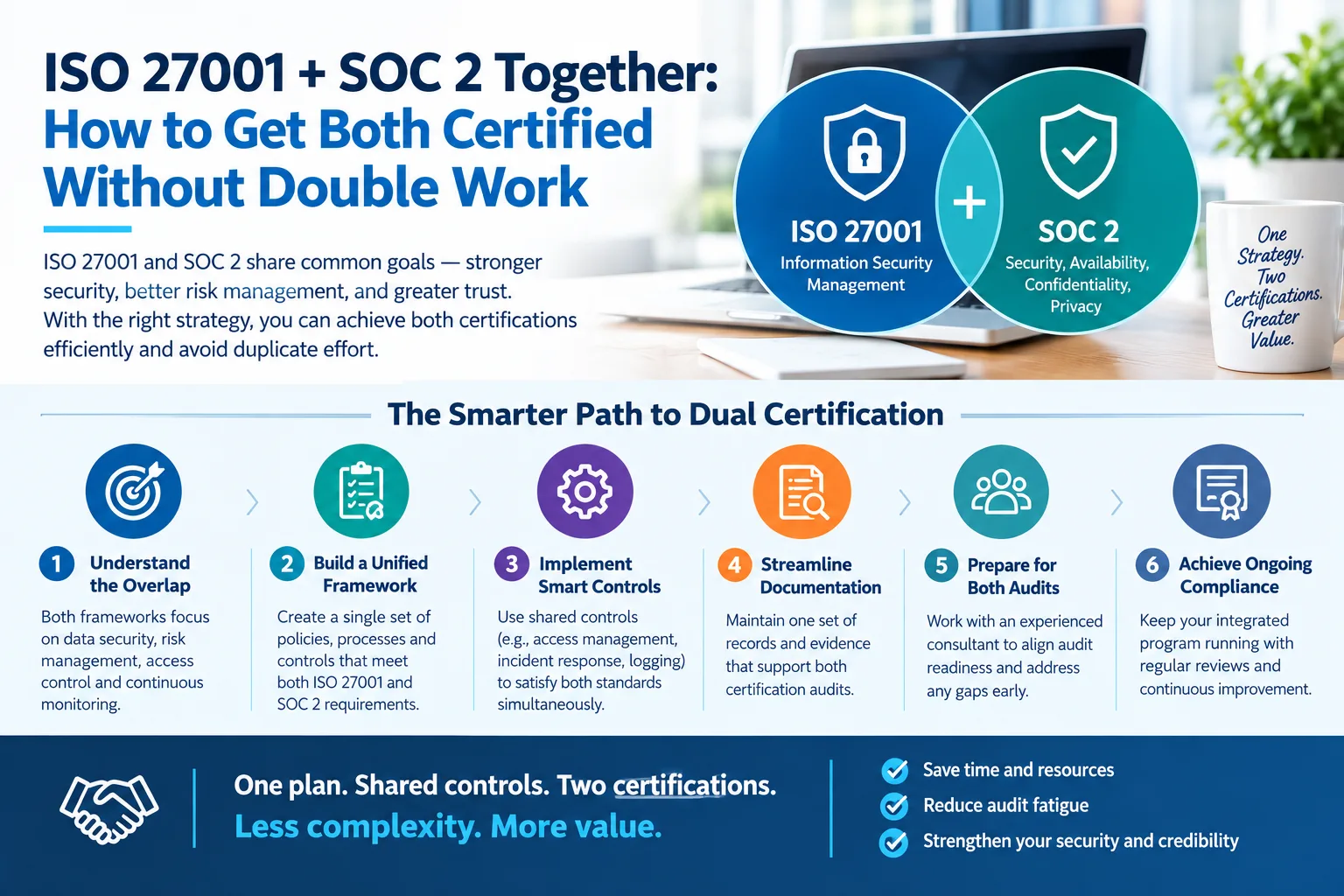
Due diligence solutions are most effective when they are integrated into a company’s wider compliance framework. This means having clear policies on when due diligence is required, what level of screening is needed, who reviews high-risk cases, and how findings are documented.
Not every business relationship requires the same level of review. A low-value local supplier may need basic verification, while a high-value international partnership may require enhanced due diligence. A risk-based approach allows companies to focus resources where exposure is highest.
Documentation is also important. Businesses should be able to show that due diligence was conducted, risks were reviewed, and decisions were made based on reliable information. This supports accountability and helps demonstrate a responsible approach to compliance.
Conclusion
Due diligence solutions play a vital role in helping businesses manage compliance and risk screening more effectively. They help verify business identities, uncover ownership links, screen sanctions and watchlists, detect adverse media, assess financial stability, and monitor third-party relationships.
For businesses in Egypt, where local and international trade relationships continue to grow, due diligence is not just a defensive process. It is a practical business tool that supports safer decisions, stronger governance, and long-term resilience.
Companies that invest in structured due diligence are better prepared to identify risks early, protect their reputation, avoid costly relationships, and build trust with customers, suppliers, lenders, and partners. In a market where uncertainty can quickly affect financial and operational stability, due diligence solutions give businesses the clarity they need to move forward with confidence.