The modern supply chain has no margin for error built in. The transition between transport modes must be smooth throughout so that products can be moved from factories to ports and, finally, to customers. The spotlight is often on ocean freight and long-distance trucking; however, there is one key component that works in the background. Drayage Freight is highly useful in supporting logistics networks, as it links port terminals, rail yards, and distribution centers, moving freight quickly and in a coordinated manner. Most efficient supply chains, too, would be paused and disrupted at a high cost without efficient drayage.
In such a world, where delivery conditions improve or degrade the effectiveness of a service or activity, there is no way a business can do without effective drayage coordination. This short haul determines the extent of a general transport system's operational success.
Why is Drayage Essential in Modern Supply Chains?
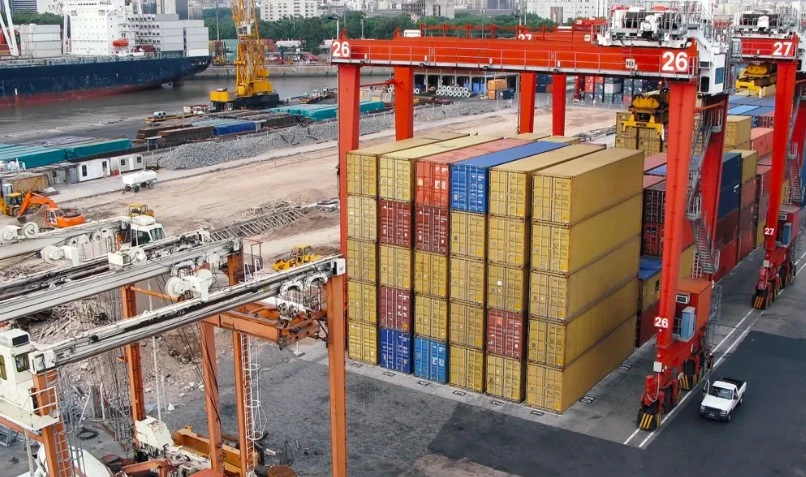
Drayage is all about bridging the divide between large cargo moves. The containers that arrive at the docks cannot remain there forever; they must be moved inland to their respective facilities to avoid congestion and unnecessary storage charges. Drayage Freight ensures the swift transport of these containers from marine terminals to their next destination.
Transportation plays a significant role in ensuring that supply chain linkages are not disrupted; a delay at any juncture can unravel the entire distribution network. An efficient drayage service ensures cargo moves continuously. This will keep production schedules on track and inventory running smoothly. A mismatch in this process could lead to port congestion and uncertain delivery times.
How Does Drayage Improve Port Efficiency?
Ports work under continuous pressure to meet the immense demands of cargoes crammed into small windows of time. An observer would experience the hustle and bustle of port activity, including loading and discharging cargo between vessels and warehouses. Building on that, congestion occurs when containers are delayed beyond the required terminals due to slower clearance systems. This culminates in the complete disruption of the scheduling of one ship, laying everything else ashore. Meanwhile, traffic congestion on the other side of the port town is still building.
To alleviate traffic jams and bottlenecks, Drayage Trucking has systems in place to move containers out of harm's way as soon as they are cleared and then to warehouses or rail facilities.
By facilitating rapid movement at the terminals, the drayage system reduces congestion at such times when it is coupled with the extension of container service.
To fulfill this broad role, drayage drags down these lists to meet a smoother way of koshi of productivity:
- Faster container transfer at the terminals
- Reduced waiting time in the port area
- Bridging coordination between sea and land traffic
- Scheduling reliability on the export side
These elements, when combined, improve logistics performance and ensure uninterrupted operations throughout the supply chain.
Can Strategic Location Enhance Drayage Performance?
The location of containers significantly impacts transport efficiency. For container transfers, regions with well-connected, well-developed logistics corridors always count more with such companies. Thus, it is usually assumed that proximity to regions where the containers will need to stop most frequently is what worries those interested in Dallas Drayage Companies in Chattanooga, TN.
A well-positioned service offering for drayage facilities and services helps avoid problems such as excessive travel time. Businesses experience fewer hold-ups and better cargo load forecasting when containers pass through turnkey routes.
By enhancing the overall logistics system, connected drayage facilities reorganize the city's existing transport capacity and connect other transport systems and facilities at the national and international levels. Such interrelationships increase functional latitude and thus support better long-term business growth.
How Do Reliable Drayage Providers Reduce Risk?
Logistics has always been a high-stakes industry. Any delays, misunderstandings of the plan, or mistakes in handling cargo may disrupt certain or all supply chains. For experienced Drayage Providers, these bottlenecks are well addressed and pose minimal risk due to extensive planning and effective communication.
The main task in drayage is to review possible container routing options, prevailing port requirements, and the accompanying documentation. These are aspects that facilitate the transportation of the containers without difficulties. There is also less loading and unloading, thus posing little risk of damage or loss of goods.
Risk reduction strategies tend to involve the following measures:
- Coordinated pickup arrangement,
- Shipment traceability,
- Port transport laws adhered to.
- Customers dispatched smoothly.
Such support enables reliable drayage partners to eliminate ambiguity among supply chain members, thereby ensuring smooth operations by fostering trust.
Why Does Drayage Influence Overall Logistics Performance?
Drayage Freight plays a role in supply chain resilience by facilitating smooth shifts between different auto-haulage modules; this also requires companies to control the flow of the supply chain.
The long-term efficient user must understand that seamless container transfer is not optional but an indispensable part of supply chain success. Drayage must be organized so that, even as economic pressure forces changes in operations, good supply chain times can continue.
To address the need for enhanced supply chain reliability through coordinated drayage services, KCH Transportation provides complementary freight solutions to ensure containers move efficiently with minimal logistics transfers. KCH Transportation guarantees, through its state-of-the-art drayage freight solutions, more flawless coordination between shippers and final recipients needing exceptional trucking services.