Moisture is one of the most common problems homeowners faces, especially in areas like basements, crawl spaces, and poorly ventilated rooms. Excess moisture can lead to serious issues such as mold growth, structural damage, and poor indoor air quality. One of the most effective ways to control this problem is through vapor barrier installation.
Vapor barriers act as a protective layer that prevents moisture from entering areas where it can cause damage. In this blog, we’ll explore how vapor barriers work and why installing them is an important step in preventing mold and moisture problems in your home.
What is a Vapor Barrier?
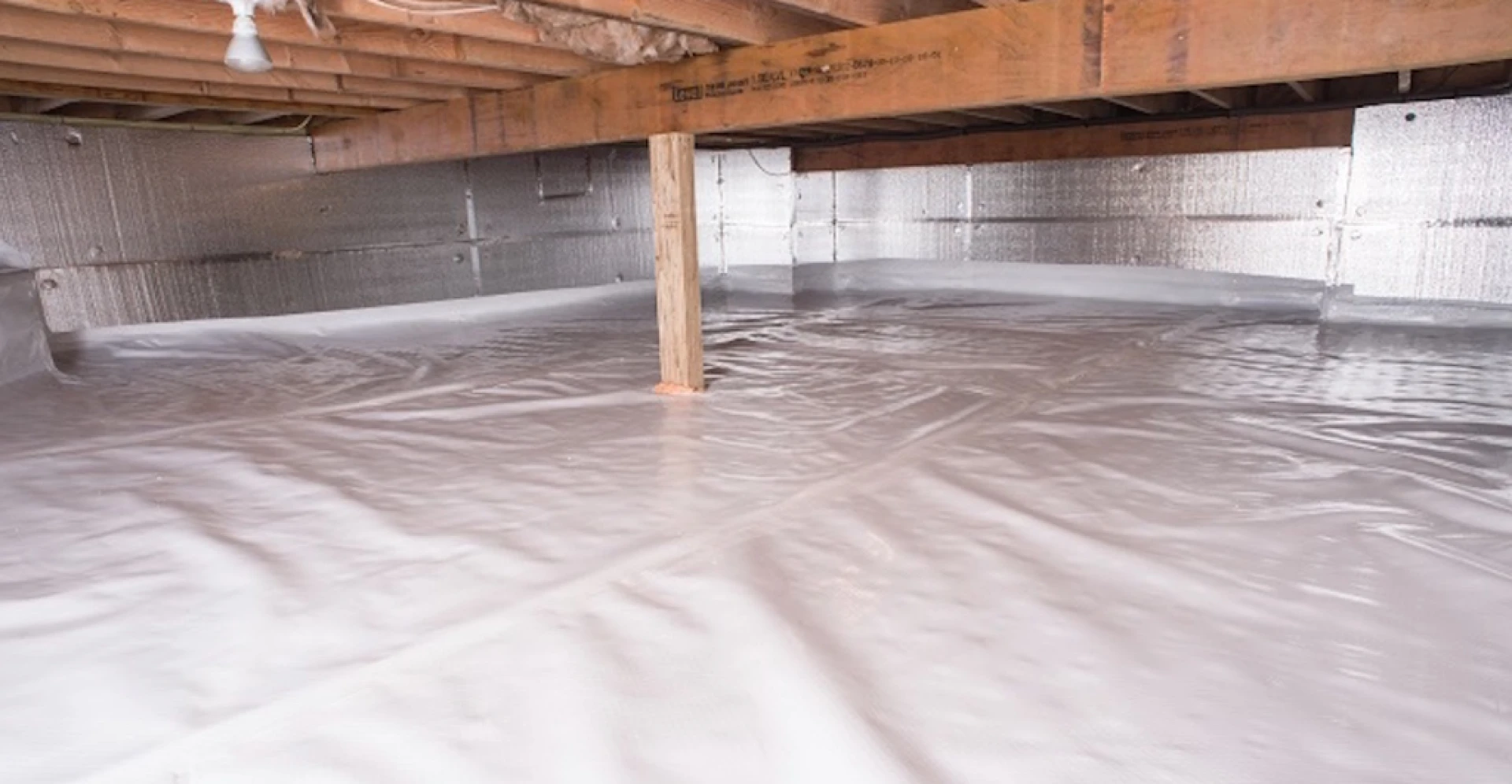
A vapor barrier is a moisture-resistant material, usually made from plastic or polyethylene sheets, that is installed in areas where moisture can enter a building. These barriers are commonly used in crawl spaces, basements, walls, and floors to block water vapor from the ground or surrounding environment.
By creating a barrier between the moisture source and your home’s structure, vapor barriers help maintain a dry and healthy indoor environment.
The Link Between Moisture and Mold
Mold thrives in damp and humid environments. When moisture accumulates in hidden spaces such as crawl spaces or wall cavities, it creates the perfect conditions for mold growth.
Once mold starts spreading, it can cause several problems, including:
- Unpleasant odors in the home
- Damage to wood, insulation, and other building materials
- Increased risk of respiratory issues and allergies
- Reduced indoor air quality
Preventing moisture buildup is the key to stopping mold before it begins, and that’s where vapor barriers play a crucial role.
How Vapor Barrier Installation Prevents Moisture?
1. Blocks Moisture from the Ground
In many homes, especially those with crawl spaces, moisture rises from the soil beneath the house. This moisture can easily enter the structure if there is no protective layer.
A properly installed vapor barrier covers the ground and prevents water vapor from moving upward into the home. This significantly reduces humidity levels and keeps the space dry.
2. Reduces Humidity Levels
High humidity inside a home encourages mold growth and can make the environment uncomfortable. Vapor barriers help control indoor humidity by limiting the amount of moisture entering the space.
Lower humidity levels make it much harder for mold spores to grow and spread.
3. Protects Building Materials
Moisture can weaken building materials such as wood, drywall, and insulation. Over time, this can lead to rot, warping, and costly repairs.
By stopping moisture before it reaches these materials, vapor barriers help protect the structural integrity of the home.
4. Improves Indoor Air Quality
Air from crawl spaces and basements often travels upward into living areas. If those spaces contain moisture or mold, it can negatively affect the air you breathe.
Installing a vapor barrier helps keep these areas dry, which reduces the risk of mold spores entering the home’s ventilation system and improves overall air quality.
5. Prevents Mold Growth in Hidden Areas
Mold often develops in places homeowners rarely check, such as behind walls or beneath flooring. These hidden areas can trap moisture for long periods without being noticed.
A vapor barrier helps prevent moisture from reaching these spaces, reducing the chances of hidden mold growth.
Additional Benefits of Vapor Barrier Installation
Besides preventing mold and moisture problems, vapor barriers offer several other advantages for homeowners.
Energy Efficiency
Moisture can affect insulation performance and increase energy costs. By keeping areas dry, vapor barriers help insulation work more efficiently, which may reduce heating and cooling expenses.
Odor Control
Damp environments often produce musty smells that can spread throughout the house. Vapor barriers help eliminate the moisture source responsible for these odors.
Long-Term Home Protection
Installing a vapor barrier is a relatively simple step that can protect your home from long-term damage caused by excess moisture.
Professional Installation Matters
While some homeowners attempt to install vapor barriers themselves, professional installation ensures the barrier is properly sealed and covers all necessary areas.
Professionals understand how to install the material correctly, prevent gaps, and ensure the barrier performs effectively for years to come.
Conclusion
Moisture problems can quickly turn into costly and unhealthy situations if left untreated. Mold growth, structural damage, and poor indoor air quality are all risks associated with excess moisture in the home.
Vapor barrier installation is a practical and effective solution to these issues. By blocking moisture, controlling humidity, and protecting building materials, vapor barriers help create a healthier and more durable living environment.
If you want to prevent mold and moisture problems before they start, investing in a properly installed vapor barrier is a smart step toward protecting your home and your family’s health.