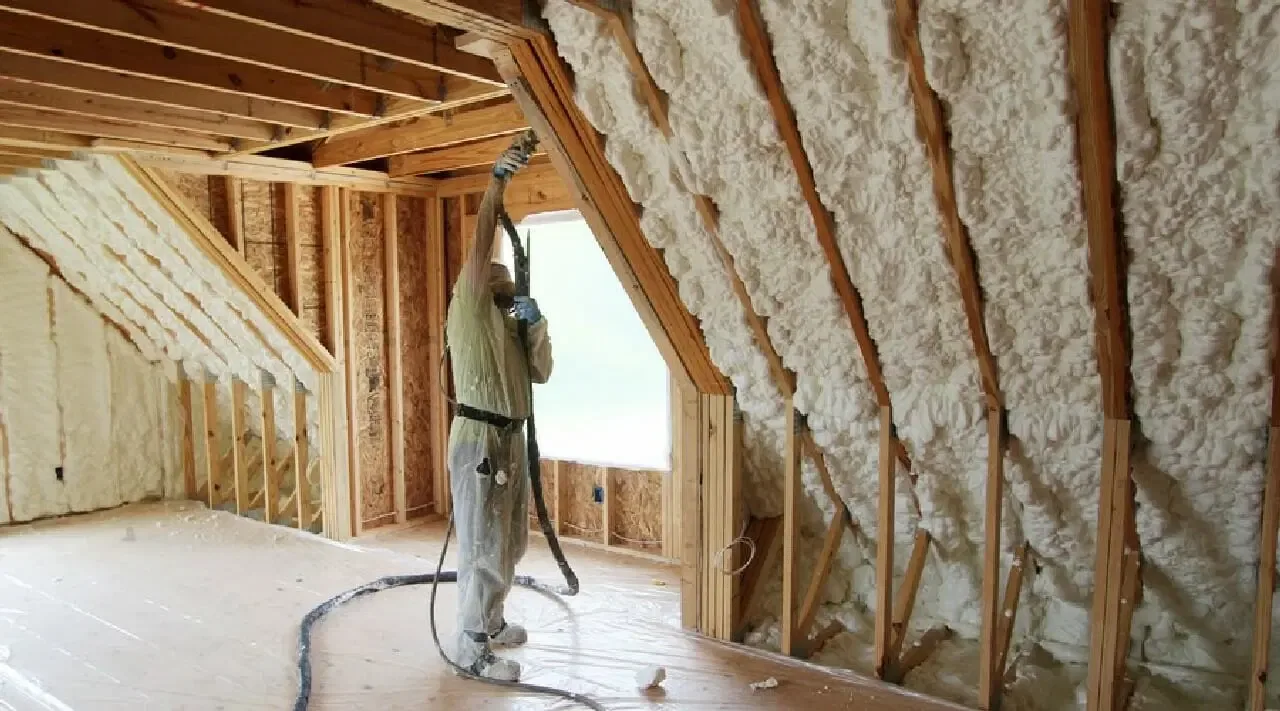
Spray Foam Insulation stops expensive energy loss by creating a total air seal that fills every gap and crack in a home's building envelope. In the hot, humid climate of Albany, GA, this material acts as a high-performance barrier that keeps conditioned air inside while blocking outdoor heat and moisture. By addressing both heat conduction and air leakage, it provides a superior solution for lowering monthly utility bills.
Understanding how building science affects your comfort is the first step toward a more efficient home. This guide explains the technical and practical reasons why modern materials outperform traditional options in South Georgia. Expert knowledge of local building codes and climate challenges ensures that the information provided here is both accurate and applicable to your property.

The Science of Air Sealing and Heat Retention
Industry data suggests that air leakage can account for up to 40% of a home's total energy loss, with most Georgia properties losing a significant portion of their efficiency through small, invisible leaks. Traditional materials like fiberglass or cellulose are often porous, which means they do not stop air from moving through them. When air moves freely between the attic and the living space, your cooling system has to work much harder to maintain a steady temperature.
Using airtight insulation effectively plugs these holes during the application process. As the liquid expands into a solid, it reaches into corners and crevices that other materials simply cannot cover. This expansion creates a custom fit for every cavity in your walls or roofline.
By stopping this unwanted airflow, you significantly reduce the workload on your HVAC system. This leads to lower wear and tear on your mechanical equipment and ensures more consistent, comfortable temperatures in every room of your house.
- Fills gaps around plumbing stacks and electrical wires.
- Eliminates drafts near baseboards and windows.
- Prevents the "stack effect" where cool air escapes through the floor.
Why Albany Homes Face Unique Energy Challenges
The climate in Albany is characterized by extreme summer heat and high humidity levels. Moisture is a major factor in energy loss because humid air holds more heat than dry air. When your home has leaks, humid air enters, forcing your air conditioner to spend energy on dehumidification rather than just cooling.
A polyurethane seal provides a high R-value per inch, which measures how well a material resists heat flow. Because this material does not sag or settle over time, its effectiveness remains constant for the life of the structure. This is particularly useful in the South where humidity can cause other types of material to clump or lose their shape.
Bonus Tip: To best combat these local humidity challenges, you should consider treating your attic as a conditioned space by applying material to the underside of the roof deck. This keeps your ductwork in a cool environment, further reducing energy waste.
How does this material improve HVAC performance?
When you have a properly sealed home, your HVAC system does not need to cycle on and off as frequently. Many systems in Albany are oversized to compensate for leaky attics and poorly insulated walls. By switching to energy-efficient foam, you might find that your home stays cool for hours even after the AC turns off.

The reduction in runtime directly correlates to lower electricity bills. Furthermore, a sealed home keeps dust and outdoor allergens from entering through the attic. This results in cleaner indoor air and a healthier environment for your family.

Maximizing Efficiency Through Attic and Crawl Space Treatment
The attic is usually the primary source of heat gain in a Georgia home. During the summer, attic temperatures can reach over 140 degrees. Without a proper barrier, that heat radiates directly into your living spaces. Professional Spray Foam Insulation solutions in Albany, GA keep the attic within a few degrees of your home's actual temperature.
Crawl spaces are another area where energy is frequently lost. Moist air from the ground can rise through the floorboards, bringing odors and heat with it. Sealing the crawl space walls and floor prevents this upward movement of air, making your floors feel warmer in the winter and cooler in the summer.
- Reduces moisture buildup under the home.
- Protects wooden floor joists from rot.
- Deters pests that look for entry points in soft materials.
Bonus Tip: Always check for existing water leaks in your crawl space before sealing it, as you want to ensure the area is dry before beginning any project.
Factors to Evaluate Before Starting Your Project
- Current Material Condition: You should assess if your old material is damp or moldy, as it may need professional removal first.
- Home Ventilation: Because your home will become much tighter, you should ensure your bathroom and kitchen fans are venting correctly to the outside.
- Project Scope: Decide whether you want to focus only on the attic or if the crawl space and walls should be included for maximum savings.
- Professional Installation: This process requires specialized equipment and safety gear, so hiring a trained team is necessary for a successful result.
Long-Term Financial Benefits for Georgia Homeowners
While the initial cost of high-quality materials is higher than basic options, the return on investment is significant. Homeowners in the Albany area often see a reduction in their cooling costs by 30% to 50%, depending on the previous condition of their home. These savings continue year after year without any required maintenance.
Additionally, a well-insulated home often has a higher resale value. Buyers today are very conscious of energy costs and look for properties that are already upgraded. Providing documentation of your home's energy efficiency can be a strong selling point in the local real estate market.

Summary of Energy Saving Results
Choosing Spray Foam Insulation is a proactive way to manage the rising costs of living in a warm climate. By creating a permanent air seal and providing high thermal resistance, you protect your home from the elements and reduce your carbon footprint. You should carefully evaluate your home's current performance and consult with professionals to determine the best plan for your specific layout. Investing in the right materials today ensures a more comfortable and affordable home for decades to come.
Choosing a Reliable Service Provider for Your Home Upgrade
If you are looking to improve your home's comfort and reduce those high energy bills, reaching out to a local expert is the best next step. Premier Insulation offers a wide variety of services to meet the specific needs of your property. They handle everything from residential and commercial projects to specialized crawl space mold remediation.
They offer options such as Agricultural Insulation, Air-Sealing, and both Open-Cell and Closed-Cell solutions. If you need older materials taken out, they also provide professional Insulation Removal. You can reach them at (229) 554-3939 or via email at [email protected] to discuss your project. Their team is ready to provide a free quote to help you understand the potential savings for your specific home. You can find their office located in the Albany area through this map: https://maps.app.goo.gl/zWPvyac6YCR8qxZf8.
Common Questions About Home Sealing and Energy Costs
How long does the installation process usually take?
Most residential attic or crawl space projects are completed within one to two days. The size of your home and the ease of access to the work areas will determine the exact timeline.
Will this material help with outside noise?
Yes, the dense nature of the material acts as a sound dampener. It helps reduce the sound of traffic, lawnmowers, and thunder, making your indoor environment much quieter.
Is it safe to stay in the home during the process?
Residents are usually asked to leave the home for 24 hours during and after the application. This allows the material to cure fully and ensures proper ventilation of the workspace.
Can this be installed in an existing home?
Absolutely. While it is easy to install during new construction, it is also frequently used in retrofitting older homes to bring them up to modern efficiency standards.
Does this material attract pests or rodents?
No, unlike fiberglass or cellulose, this material does not provide a food source or nesting material for pests. Its hard surface makes it difficult for insects or rodents to penetrate.