
Spray foam insulation generally has a positive impact on your home mortgage approval process in the United States. Lenders and appraisers often view high-performance materials as a way to increase the overall value and durability of a property. When you apply for a loan, a property with spray foam insulation mortgage approval shows the lender that the home is modern and likely to have lower monthly utility costs.
This guide provides a detailed look at how high-quality insulation choices influence the financial aspects of homeownership. You will learn about the expectations of lenders, the role of appraisers, and how to document your upgrades properly. Understanding these factors ensures that your home improvement choices support your long-term financial goals.
The Impact of Energy Efficiency on Loan Risk
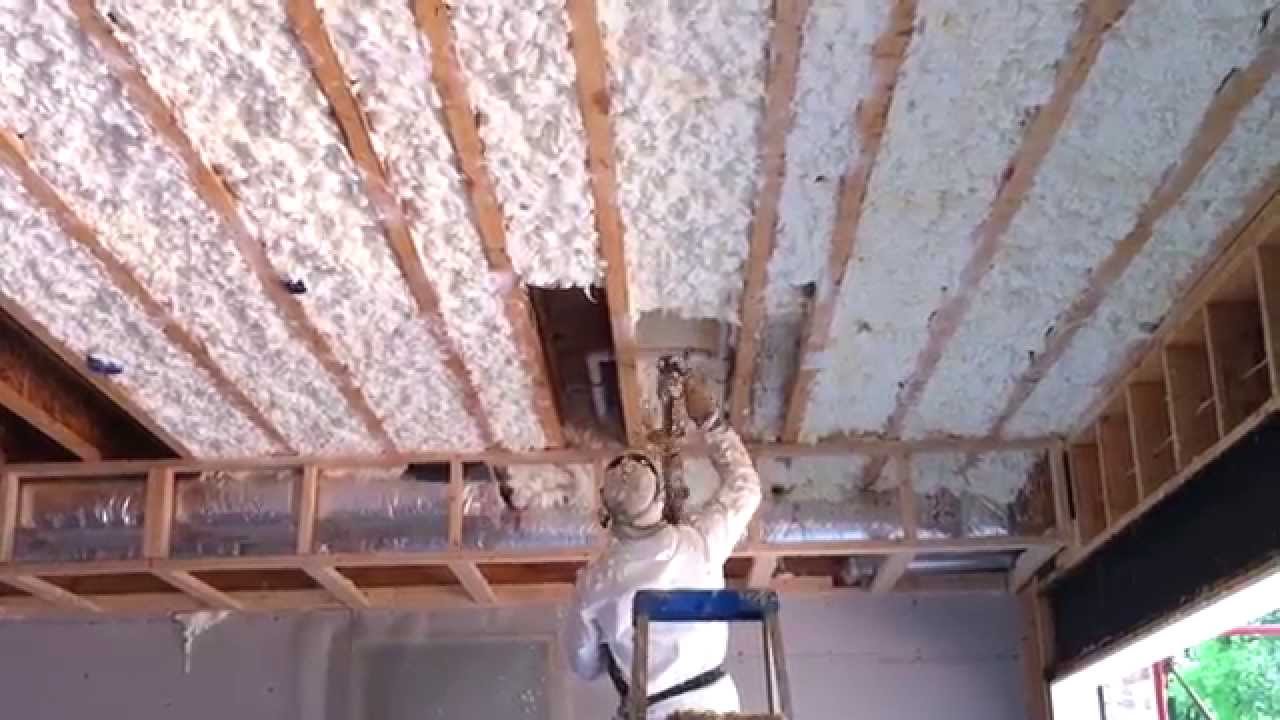
Lenders look at the debt-to-income ratio when they decide whether to give you a mortgage. High utility bills can eat into your monthly budget, making you a slightly higher risk in the eyes of some financial institutions. When a property features energy-efficient home insulation, the monthly cost of living stays more predictable and affordable. Professional spray insulation services can help improve a home's energy efficiency by reducing unwanted heat transfer and lowering heating and cooling demands.

Mortgage companies often appreciate homes that use modern materials because these houses tend to hold their value better over time. A home that stays cool in the summer and warm in the winter without excessive energy use is a safer bet for a long-term loan. This efficiency acts as a buffer against rising energy prices, which helps protect your ability to make mortgage payments.
How Appraisers View Modern Insulation Materials
During a property appraisal insulation check, the professional looks for features that set the home apart from others in the area. They evaluate the age of the systems and the quality of the building envelope. If your home has spray foam, it often receives a higher grade for energy performance compared to homes with older fiberglass batts.
Appraisers use comparable sales to determine value. In many US markets, homes with green certifications or advanced insulation packages sell for a premium of 2.7% to 8% more than standard homes. This increased value directly helps with your loan-to-value ratio, making it easier to secure favorable mortgage terms.
Why Your Choice of Insulation Contractor Matters
The quality of the installation is just as important as the material itself. Lenders and insurance companies may ask for proof that a professional insulation contractor performed the work. This is because improper installation can lead to moisture issues or gaps in the thermal barrier.
Certified installers provide documentation that proves the material was applied according to building codes. This paperwork is essential during the mortgage underwriting process if the lender has questions about the structural integrity of the roof or walls. Having a professional receipt and a warranty from a recognized service provider gives the bank peace of mind.
Common Concerns with Spray Foam and Structural Inspections
Some buyers worry that spray foam might hide issues like roof leaks or wood rot. While this is a common discussion point in the UK, the US market has different building standards and inspection protocols. Most US home inspectors are trained to look for signs of moisture even when foam is present.
If you have spray foam roofing or attic insulation, ensure that the inspector can still access the necessary areas. Open-cell foam is often preferred in residential attics because it allows moisture to move through it, making it easier to spot a roof leak quickly. Providing the inspector with a history of the installation helps avoid any delays in your mortgage approval.
Comparison of Common Insulation Materials for Mortgage Impact
Lenders and appraisers use specific standards to evaluate how different materials influence property value. The following data compares common insulation types and their typical impact on mortgage assessments:
Insulation TypeR-Value per InchImpact on Home ValueLender PerceptionSpray Foam (Closed-Cell)6.0 to 7.0HighVery Positive (Durability)Spray Foam (Open-Cell)3.5 to 3.8HighPositive (Efficiency)Fiberglass Batts2.2 to 2.9StandardNeutralCellulose (Blown-in)3.2 to 3.8ModerateNeutral to Positive
Bonus Tip 1: Keep a digital folder containing the technical data sheets of the foam used in your home. If an appraiser or lender asks about the fire rating or R-value, you can provide the facts immediately to keep the process moving.
Specific Considerations for Home Mortgage and Insulation
When you are deep in the process of a home mortgage and insulation upgrade, remember that FHA and VA loans have specific requirements. These government-backed loans prioritize the health and safety of the occupants. They want to see that the home is well-ventilated and free from excess moisture.
Spray foam creates an air seal that is superior to traditional materials. This air seal prevents allergens and outdoor pollutants from entering the living space. Informing your lender about these health benefits can sometimes be helpful, especially if you are applying for an Energy-Efficient Mortgage (EEM).
Using Residential Insulation Services to Boost Equity
Investing in residential insulation services is one of the few home improvements that pays for itself through energy savings and increased equity. Unlike kitchen remodels, which might go out of style, a high-performance building envelope remains valuable for decades.

When you show a lender that your home has a lower "cost of ownership," it strengthens your overall financial profile. Some lenders even offer slightly better rates or higher loan amounts for homes that meet specific energy benchmarks. This is because a house with lower overhead costs is less likely to face foreclosure during economic downturns.
Regional Guidance for Climate-Specific Performance
In climates characterized by high humidity or extreme cold, the performance of spray foam becomes particularly relevant. In the humid Southeast, for example, moisture can accumulate in traditional fiberglass batts, potentially leading to mold growth. Spray foam helps prevent these issues by sealing the building envelope and controlling indoor humidity.
Lenders in these regions are often very familiar with the advantages of advanced insulation. They understand that a home with a sealed crawl space or a conditioned attic is less likely to suffer from wood rot or structural damage caused by moisture. This local knowledge helps streamline your spray foam insulation mortgage approval when working with local banks.
Factors to Review Before Finalizing Your Insulation Plan
- Verify that your installer is licensed and insured in your specific state.
- Confirm that the foam product meets the local building codes for fire safety.
- Ask for a copy of the manufacturer's warranty to include in your home records.
- Ensure the installation includes proper ventilation for combustion appliances like gas water heaters.
- Check if there are any local tax credits or utility rebates that can offset the initial cost.
Documentation Needs for a Smooth Mortgage Process
If you are buying a home that already has spray foam, or if you are refinancing after an upgrade, you need specific documents. The lender may ask for the "insulation certificate," which is typically posted near the electrical panel or in the attic. This tag lists the R-value and the thickness of the foam applied.
Without this certificate, the appraiser might have to guess the efficiency of the home. Providing clear photos of the installation process can also be very helpful. These photos prove that the foam was applied directly to the substrate and that the structural members were in good condition at the time of application.
Bonus Tip 2: If you are building a new home, ask your insulation contractor to provide a "HERS" rating. A low HERS score is a powerful tool during mortgage negotiations as it provides a standardized measurement of the home's energy performance.
How Spray Foam Affects Home Insurance Rates
Your mortgage approval is often tied to your ability to get affordable homeowners' insurance. Some insurance companies offer discounts for homes with spray foam because it can increase the wind uplift resistance of the roof. This is especially true with closed-cell foam, which acts like a structural glue.
When the roof is stronger, the risk of damage during a storm is lower. Lower insurance premiums mean your total monthly mortgage payment (PITI) is lower. This makes it easier to qualify for the loan amount you want. Always mention your insulation type when shopping for insurance quotes.
The Long-Term Value of a Sealed Building Envelope
A sealed building envelope is a major selling point that lenders recognize. It signifies that the home is built to modern standards and won't require a major energy overhaul in a few years. This longevity is a key reason why a spray foam insulation mortgage approval is usually a straightforward process.
As energy codes become stricter across the US, homes with older insulation may eventually require expensive updates to remain competitive. By choosing spray foam now, you are essentially future-proofing your property. Lenders value this foresight because it protects the resale value of the asset they are financing.
Final Steps for Homeowners and Buyers
Before you head to the closing table, make sure all your insulation upgrades are fully documented. If you are the seller, highlight the energy savings in your marketing materials to attract more buyers. If you are the buyer, ask for the utility bills from the previous year to see the insulation in action.
The relationship between your home's physical performance and its financial standing is strong. Investing in the right materials and the right professionals ensures that your home remains a source of comfort and financial security.
Expert Advice for Your Property Upgrades
When you are looking to improve your home's value or prepare it for a sale, working with a professional team is the best path forward. A local service provider can evaluate your current situation and recommend the best type of foam for your specific climate and house structure. Companies like Raleigh Excel Spray Foam Insulation offer a wide range of services, including attic, wall, and exterior solutions. You can reach them at (919) 301-9435 or via email at [email protected] to discuss your project. Their team understands the local building codes and can provide the documentation you need for your lender or appraiser. Getting a free quote is a great way to start your journey toward a more energy-efficient and valuable home.
Common Questions About Insulation and Mortgages
Does spray foam insulation affect FHA loan inspections?FHA inspectors focus on safety and structural integrity. As long as the spray foam is installed according to code and doesn't block access to essential systems, it typically helps the home pass inspection by proving the property is well maintained.
Can I get a higher loan amount if my home is energy-efficient?Yes, some lenders offer Energy-Efficient Mortgages (EEMs). These loans allow you to add the cost of energy-saving improvements, like spray foam, to your mortgage because the energy savings will offset the higher monthly payment.
Will spray foam roofing cause issues during a home appraisal?Most US appraisers see high-quality roofing insulation as a value add. They will look for a professional application and proper drainage. Providing a warranty from your contractor can help resolve any questions the appraiser might have.
Does the type of spray foam matter to the bank?Usually, the bank cares more about the R-value and the professional installation than the specific brand. However, closed-cell foam is often noted for adding structural strength, while open-cell foam is noted for its excellent soundproofing and air sealing.
Is it hard to refinance a home with spray foam?Refinancing is typically easier with spray foam because the home's value is often higher than comparable houses with basic insulation. The increased equity helps you qualify for better interest rates and terms during the refinance process.