Septic Tank Pumping in Glennville keeps your system running the way it’s supposed to, plain and simple. Skip it long enough and you’re looking at backups, bad smells, and repair bills that didn’t need to happen. This post walks through why pumping matters, what it actually does for your system, and how often you should be getting it done if you live in or around Glennville.
Why Your Septic System Needs Regular Attention
A septic tank isn’t something you install and forget about for twenty years. It’s a living system, literally, full of bacteria doing the work of breaking down waste. But even with all that bacterial activity, solids still build up at the bottom and a scum layer forms on top. Over time that buildup eats into the tank’s working capacity, and that’s when problems start creeping in.
Glennville’s soil and weather play a role here too. Heavy rain seasons can saturate drain fields faster, and if your tank’s already full of sludge, there’s less room to handle the extra load. Homeowners who ignore this end up dealing with slow drains, gurgling pipes, or worse, sewage backing up into the house. Nobody wants that conversation with a plumber.
What Septic Tank Pumping Actually Does
Pumping removes the accumulated sludge and scum before they reach a level that chokes the system. Think of it like cleaning out a gutter before it overflows, except the stakes are a lot higher and a lot messier if you wait too long. A pump truck comes out, empties the tank, and gives your whole setup room to breathe again.
This isn’t just maintenance for maintenance’s sake either. When solids build up too high, they start flowing into the drain field, which is the part of your system that’s expensive to fix or replace. Regular Septic Tank Pumping protects that drain field by keeping solids where they belong, inside the tank, not clogging up pipes and soil out in the yard.

How Pumping Improves Daily System Performance
Here’s where it gets practical. A tank that’s been recently pumped processes wastewater faster and more efficiently. Drains empty quicker, toilets flush without hesitation, and you don’t get that weird moment where the sink backs up a little before clearing. It’s the small stuff that tells you the system’s working right.
On the flip side, a tank that’s overdue for pumping starts showing signs slowly, then all at once. Maybe you notice standing water near the drain field, or the lawn above it stays soggier than the rest of your yard. These are warning signs, not coincidences. Routine Septic Tank Pumping in Glennville catches these issues before they become full-blown system failures.
The Connection Between Pumping and Longevity
Septic systems aren’t cheap to replace. A full system failure can run homeowners thousands of dollars, sometimes tens of thousands depending on the extent of the damage. Pumping on schedule is one of the cheapest insurance policies you can buy for your property, honestly. It’s a few hundred dollars every few years versus a catastrophic repair bill down the road.
Local Glennville homeowners who stick to a pumping schedule tend to get decades more life out of their systems compared to those who let it slide. The tank itself holds up better, the drain field doesn’t get overloaded with solids it was never meant to handle, and the whole setup just works the way it was designed to from day one.
How Often Should You Pump Your Tank in Glennville
This depends on a few things, household size, tank size, and how much water your home uses daily. Most residential systems need pumping every three to five years, but that’s a general rule, not gospel. A family of six running multiple loads of laundry a week will need more frequent service than a retired couple living alone.
Soil conditions around Glennville also factor in. Clay-heavy soil drains slower, which puts more strain on the system and can mean shorter intervals between pumpings. If you’re not sure where your system stands, getting a professional to inspect it is worth the trip. They can tell you exactly where your sludge levels sit and when you should plan your next service.
Signs That Your Septic Tank Needs Pumping Now
Some signs are obvious, slow drains throughout the house, sewage odors near the tank or drain field, or water pooling in the yard where it shouldn’t be. Other signs are quieter. You might just notice the toilets gurgle a bit more than usual, or there’s a faint smell when you run the dishwasher. These little hints matter.
Don’t wait for the dramatic backup to call someone out. By the time you’re dealing with sewage in your basement or a yard that smells like a sewer plant, the damage is often already affecting your drain field. Catching it early with routine Septic Tank Pumping saves money, saves your weekend, and saves you from a genuinely unpleasant cleanup job.
What Happens During a Professional Pumping Service
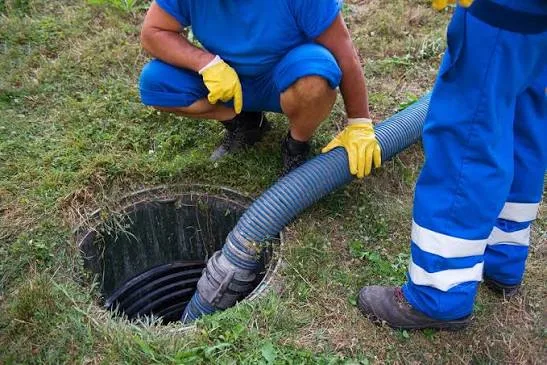
A technician locates the tank, which sometimes means digging if the access lid isn’t exposed, then pumps out the liquid and solid waste using a vacuum truck. Most professionals will also inspect the tank’s condition while they’re in there, checking for cracks, checking baffle health, and making sure the inlet and outlet pipes aren’t blocked. It’s quick work for someone who knows what they’re doing, usually under an hour for a standard residential tank.
A good technician in Glennville will also give you a heads up if anything looks off, like a baffle that’s deteriorating or a drain field showing early signs of stress. This kind of feedback is valuable because it lets you address small problems before they snowball into system replacement territory. Think of it as a checkup, not just a cleanout.
Common Mistakes Homeowners Make With Septic Maintenance
A lot of people assume septic systems are maintenance-free because they’re underground and out of sight. That mindset causes more problems than anything else on this list. Flushing things that shouldn’t go down the toilet, wipes, grease, excessive chemicals, all of that adds strain to a system that’s already working hard to break down normal waste.
Another mistake is waiting until there’s a visible problem before calling for service. By then you’re often past routine maintenance and into emergency repair territory, which costs more and takes longer to fix. Staying ahead of it with scheduled Septic Tank Pumping in Glennville avoids that scramble entirely, and honestly it’s just less stressful to plan ahead than to react to a crisis.

Choosing the Right Service for Your Glennville Property
Not every septic company handles things the same way, so it’s worth asking questions before you hire someone. Find out if they inspect the tank while pumping, whether they check the drain field condition, and if they’ll give you a realistic estimate for your next service date based on what they find. A company that just pumps and leaves isn’t giving you the full picture of your system’s health.
Local experience matters too. Someone familiar with Glennville’s soil types, water tables, and typical system setups is going to spot issues faster than someone coming in blind. Ask neighbors, check reviews, and don’t be afraid to ask a company how long they’ve been servicing systems in the area. That local knowledge often makes the difference between a quick fix and a repeat visit.
Conclusion
Keeping up with Septic Tank Pumping isn’t glamorous work, but it’s one of the smartest things a homeowner can do to protect their property and their wallet. A system that’s pumped on schedule runs smoother, lasts longer, and saves you from the headaches that come with backups and drain field failures. Glennville’s soil and weather conditions make this even more important, since overloaded systems don’t have much room for error when the rain picks up.
If it’s been a few years since your last service, or you’re just not sure where your tank stands, don’t wait for a problem to force your hand. A quick inspection and pumping now can save you thousands later, and it keeps your whole system doing what it’s supposed to do, quietly, efficiently, and without drama.
Frequently Asked Questions
How often should Septic Tank Pumping in Glennville be done?
Most homes need it every three to five years, though household size and water usage can shorten or extend that window.
What are the signs I need septic pumping right away?
Slow drains, gurgling pipes, sewage odors, or standing water near the drain field are all signals you shouldn’t ignore.
Does pumping actually extend the life of my septic system?
Yes. Regular pumping reduces strain on the drain field and prevents the kind of solid buildup that leads to costly system failures.
Can I pump my septic tank myself?
No, this requires professional equipment and training. A licensed technician has the vacuum truck and know-how to do it safely and correctly.
Is Septic Tank Pumping expensive in Glennville?
Costs vary by tank size and company, but it’s far cheaper than repairing or replacing a failed drain field or full system.