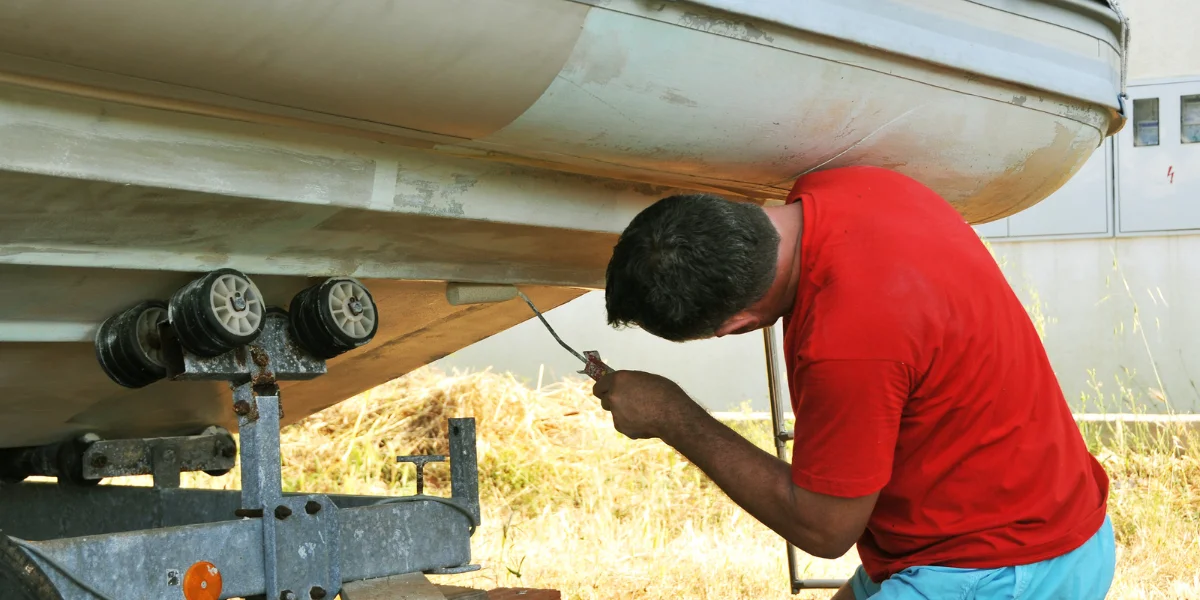
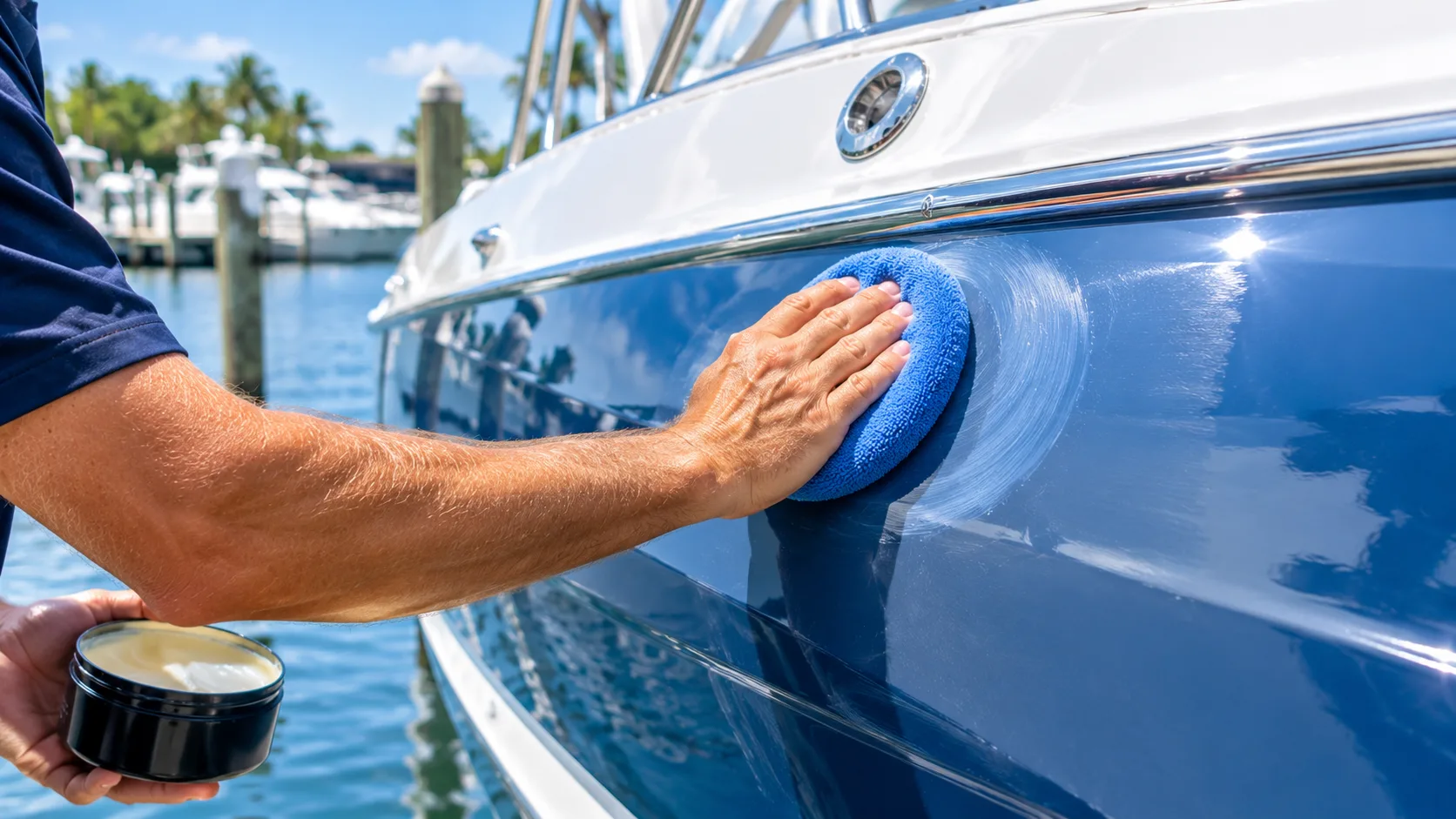
A boat spends much of its life exposed to the elements. Whether it's cruising across Tampa Bay, sitting at a marina, heading out for a fishing trip, or enjoying a quiet afternoon on the water, its exterior is constantly exposed to sunlight, saltwater, rain, humidity, and airborne contaminants.
At first, these conditions may not seem like a big concern. Your boat might still look clean after a quick rinse, and its fiberglass may appear to be in good shape. But over time, environmental exposure can gradually wear down the finish. The surface may lose its shine, look dull, or become harder to clean.
This is where boat waxing makes a real difference.
Waxing isn't just about making a boat look glossy before a weekend outing. It is an important part of boat surface protection that helps preserve the exterior finish and makes routine cleaning easier. When done properly and maintained consistently, it can help protect your vessel from everyday environmental exposure.
Whether you own a fishing boat, yacht, pontoon, sailboat, center console, or recreational vessel, understanding the benefits of waxing can help you make better long-term boat care decisions.
Let's look at why boat wax protection matters, how it works, and how to keep your boat looking its best.
1. What Makes Boat Waxing So Important?
Think about how much your boat's exterior goes through during a typical month. It may sit under direct sunlight for hours, collect salt deposits after a trip, get splashed with water, or pick up dirt while docked at a marina.
All these conditions can affect the finish.
A suitable marine wax creates a protective layer over the surface. While it doesn't make your boat immune to damage, it helps reduce direct exposure to everyday contaminants and environmental elements.
Helps Protect Against Sun Exposure
Florida's sunshine is one of the biggest reasons boat owners should pay attention to exterior protection. Ultraviolet (UV) exposure can gradually affect gelcoat, fiberglass finishes, and other exposed surfaces.
Over time, an unprotected finish may begin to look:
- Dull or faded.
- Less glossy than before.
- Uneven in appearance.
- Dry or chalky due to surface oxidation.
Applying a suitable marine wax can help provide a barrier between the finish and environmental exposure. It is not a substitute for polishing or oxidation removal, but it can help maintain a properly prepared surface.
Makes Everyday Cleaning Easier
Have you ever noticed how dirt seems to cling to an older, dull boat surface? When the exterior finish is in good condition and properly protected, washing can become easier.
A smooth, waxed surface generally lets water and light contaminants run off more readily than a neglected surface. This can reduce the effort needed during routine cleaning.
For boat owners who use their vessels frequently, that small convenience adds up.
Helps Maintain a Fresh, Glossy Appearance
A clean, glossy boat always looks inviting. Whether your vessel is parked at a marina or heading out for a family day on the water, a well-maintained finish looks cared for.
Regular marine boat waxing helps maintain that attractive finish between more intensive detailing sessions.
2. Florida's Weather Makes Boat Wax Protection Especially Valuable
Florida is a wonderful place to own a boat, but the climate can be demanding on exterior surfaces. The combination of strong sunshine, coastal air, saltwater, and humidity means boats often need more consistent attention than owners initially expect.
Saltwater Can Leave Deposits on Exterior Surfaces
If you regularly take your boat into saltwater, you already know how quickly salt residue can appear.
Once seawater dries, it can leave deposits on:
- Fiberglass hulls.
- Railings and metal fittings.
- Deck surfaces.
- Windows and windshields.
- Cleats, hinges, and other hardware.
A fresh-water rinse after boating helps remove salt before it has time to build up. Waxing can provide additional surface protection, but it should never replace regular rinsing and cleaning.
Sunlight Can Gradually Reduce Surface Gloss
A boat that spends most of its time outdoors is constantly exposed to sunlight. Even when it is not being used, its exterior is still facing environmental conditions.
Over time, UV exposure can contribute to fading and oxidation, particularly on fiberglass and gelcoat surfaces.
Using suitable boat wax for fiberglass after proper surface preparation can help maintain gloss and provide an additional protective layer.
Rain, Humidity, and Airborne Contaminants Add to the Problem
Florida's humid conditions can leave boats exposed to moisture for extended periods. Rainwater may also carry dust and other contaminants that settle on exterior surfaces.
Boats stored near trees, busy roads, or open marina areas may collect additional debris.
A consistent cleaning and waxing routine helps you stay ahead of this buildup instead of waiting until the finish becomes difficult to restore.
3. How Boat Waxing Protects Fiberglass and Gelcoat
Fiberglass is widely used in recreational boats because it is strong, practical, and relatively lightweight. Most fiberglass boats also have a gelcoat finish that provides their smooth exterior appearance.
However, gelcoat needs care. It can gradually lose its shine when exposed to sunlight, salt, dirt, and other contaminants.
What Happens When Gelcoat Is Left Unprotected?
Without suitable cleaning and surface protection, gelcoat may gradually develop:
- Reduced gloss.
- Surface oxidation.
- Faded or chalky areas.
- Water spots and stubborn residue.
- A rougher appearance.
These changes do not necessarily happen overnight. They often develop slowly, which is why owners sometimes overlook them until the finish becomes noticeably dull.
Why Wax Alone Cannot Fix Oxidation
One important thing to understand is that waxing and polishing are not the same thing.
Wax is primarily used to protect a properly prepared surface. It does not remove significant oxidation, deep scratches, or damaged gelcoat.
If your fiberglass has become chalky or heavily faded, it may need professional compounding and fiberglass boat polishing before applying wax.
A typical restoration and protection process may involve:
- Washing the boat to remove loose dirt and salt.
- Assessing the condition of the gelcoat.
- Removing oxidation through an appropriate compounding process, if needed.
- Polishing the surface to improve its appearance.
- Applying a suitable marine wax or protective product.
Starting with the right surface preparation helps ensure that the protective product is applied appropriately.
4. Boat Waxing Helps Protect Different Types of Boats
Not every boat has the same design, surface area, or usage pattern. A fishing boat may need frequent cleaning after trips, while a yacht may have larger exterior surfaces and more detailed finishes.
The good news is that a suitable waxing routine can benefit many types of vessels.
Fishing Boats and Center Console Boats
Fishing boats and center consoles often experience demanding conditions. They may spend long hours in saltwater and collect fish residue, sunscreen, dirt, and water deposits.
For these vessels, regular exterior care should include:
- Rinsing the hull after saltwater use.
- Cleaning exposed fiberglass surfaces.
- Removing dirt and residue from the deck.
- Checking the finish for fading or oxidation.
- Applying suitable wax after surface preparation.
Because these boats are often used frequently, maintaining a consistent cleaning schedule is particularly helpful.
Yacht Owners
Yachts often have extensive fiberglass surfaces, polished fittings, and carefully maintained exterior finishes. Keeping these areas clean and protected helps preserve their overall presentation.
A yacht detailing routine may include hull washing, gelcoat polishing, waxing, stainless steel care, and interior cleaning.
For larger vessels, professional boat waxing services can help owners manage exterior protection more consistently.
Pontoon and Recreational Boats
Pontoon boats are popular for family outings, relaxing cruises, and spending time with friends. Their exterior panels, railings, seating, and deck areas can collect dirt and environmental residue.
Owners should pay attention to:
- Exterior panels and suitable surfaces.
- Railings and metal fittings.
- Vinyl seating.
- Deck areas.
- Exposed surfaces that receive direct sunlight.
Always choose products suitable for the specific material. A wax designed for fiberglass should not automatically be used on every surface of a pontoon.
Sailboats and Marina-Based Boats
Sailboats and vessels kept at marinas can remain exposed to the weather even when they are not being used.
Sunlight, salt deposits, rain, and airborne debris continue to affect the exterior while the boat is docked.
Regular washing and suitable surface protection can help prevent contaminants from accumulating and keep the vessel looking presentable between trips.
5. How Often Should You Wax Your Boat?
This is one of the most common questions boat owners ask, and the honest answer is that no single schedule works for every vessel.
The right waxing frequency depends on several factors, including how often you use your boat, where you store it, the condition of its finish, and the type of protective product you apply.
Consider How Often You Use Your Boat
A boat that goes out several times a week may need more frequent cleaning and closer attention than one used only occasionally.
Frequent use can mean more exposure to:
- Saltwater.
- Direct sunlight.
- Water spots.
- Dirt and debris.
- Sunscreen and other surface contaminants.
Check the finish regularly rather than relying only on a fixed calendar schedule.
Think About Where Your Boat Is Stored
A boat kept outdoors at a marina may experience more direct sunlight and environmental exposure than one stored in a covered location.
If your vessel remains uncovered for long periods, inspect its finish more frequently.
Follow the Product Manufacturer's Recommendations
Different marine waxes and protective products have different application methods and expected durability.
Some products are designed for traditional hand application, while others may require specific tools or surface preparation.
Always follow the manufacturer's instructions. Avoid applying another layer simply because a certain number of weeks or months have passed.
6. Choosing the Right Marine Wax for Your Boat
Not all wax products are the same. Choosing the right one depends on your boat's surface, its condition, and the type of protection you want.
Using an unsuitable product can lead to disappointing results, so it is worth understanding the basic options.
Traditional Marine Wax
Traditional marine wax products are commonly used to enhance gloss and provide a protective layer on suitable surfaces.
They can help maintain a clean, polished appearance when applied according to the product instructions.
Marine Sealants
Marine sealants are another option for protecting suitable exterior surfaces. Depending on the formulation, they may offer different application methods and durability characteristics compared with traditional wax.
Some boat owners prefer sealants because of their maintenance requirements, while others prefer wax for its finish.
Spray-On Wax Products
Spray waxes can be convenient for maintenance between more thorough detailing sessions.
They may help refresh the appearance of a previously protected surface, but they are not necessarily a replacement for a full waxing process.
Check Compatibility Before Applying
Before using any product, consider:
- Is it designed for marine use?
- Is it suitable for fiberglass or gelcoat?
- Does the surface need polishing first?
- Does the manufacturer recommend a particular application method?
- Is the product appropriate for the boat's existing finish?
If you are unsure, asking a marine detailing professional can help you avoid using the wrong product.
7. Common Boat Waxing Mistakes That Can Affect Results
Even with a good product, the way you prepare and apply it matters. A few simple mistakes can reduce the effectiveness of waxing or make the finished surface look uneven.
Applying Wax to a Dirty Surface
Waxing over dirt, salt, or other contaminants can interfere with the finish and may spread debris across the surface.
Always wash and dry the boat properly before applying wax.
Using Wax to Hide Oxidation
Wax can improve the appearance of a properly prepared surface, but it cannot correct significant oxidation.
If your fiberglass looks chalky or faded, have the condition assessed before waxing.
Applying Too Much Product
More wax does not automatically mean better protection. Applying too much can make removal difficult and may leave streaks or residue.
Follow the recommended amount and application instructions.
Using the Wrong Cleaning Materials
Abrasive pads, rough brushes, and unsuitable chemicals can scratch or damage marine surfaces.
Use appropriate microfiber towels, applicators, and marine-safe cleaning products.
Forgetting Other Exterior Surfaces
The hull may be the main focus, but railings, fittings, windows, seating, and deck areas also need attention.
Use products designed for each material rather than applying one product everywhere.
8. Why Professional Boat Waxing Can Be Worth It
Many boat owners enjoy handling basic cleaning themselves. Rinsing the hull, wiping down seats, and removing everyday dirt are manageable tasks.
However, achieving a consistent finish across larger fiberglass surfaces can be more challenging.
Professional detailing becomes particularly useful when the boat needs more than a basic wash.
Professional Surface Preparation Matters
Before applying wax, the surface needs to be in suitable condition. If oxidation, stubborn stains, or old residue are present, additional preparation may be necessary.
A professional detailer can assess the finish and determine whether it needs cleaning, compounding, polishing, or simply a protective wax application.
This helps avoid unnecessary treatment and ensures the process suits the surface.
Professional Equipment Can Help Achieve a More Even Finish
Large hulls and curved fiberglass surfaces can be difficult to wax evenly by hand.
Professional detailing equipment and appropriate applicators can help achieve a more consistent result when used correctly.
Experience also matters. Different surfaces and levels of oxidation require different approaches.
Mobile Boat Detailing Makes the Process More Convenient
Moving a boat for detailing isn't always practical, especially if it is a larger vessel or regularly kept at a marina.
That's one reason mobile boat detailing is a convenient option for many owners.
A mobile detailing provider can visit the boat's location, subject to access and service arrangements, and carry out suitable cleaning and waxing work there.
For yacht owners, fishing boat owners, and recreational boat owners with busy schedules, mobile boat detailing can make it easier to arrange regular exterior care without transporting the vessel elsewhere.
9. Simple Habits That Help Your Boat Stay Protected Between Waxing Sessions
Waxing is only one part of a good boat care routine. What you do between detailing sessions also matters.
A few everyday habits can help maintain the finish and reduce the work needed at the next waxing appointment.
Rinse Your Boat After Saltwater Trips
Fresh water helps remove salt deposits before they accumulate.
Pay attention to the hull, railings, fittings, deck areas, and other exposed surfaces.
Clean Bird Droppings and Other Contaminants Promptly
Bird droppings, sunscreen, fish residue, and other contaminants should not be left sitting on the finish for long periods.
Remove them using a suitable marine-safe cleaner and a non-abrasive cloth.
Inspect the Surface Regularly
Take a few minutes to look at your boat's exterior.
Notice whether the finish still feels smooth, whether water behavior has changed, or whether dull areas are developing.
These observations can help you decide when the surface needs attention.
Keep a Record of Detailing Work
It can be useful to note when your boat was last washed, polished, or waxed and which products were used.
This makes it easier to plan future maintenance and avoid unnecessary applications.
10. A Recommendation for Boat Owners in Tampa Bay
If you own a boat in the Tampa Bay area and want help maintaining its exterior finish, Royal Blue Boat Detail is worth considering.
The company provides professional mobile boat detailing services, including boat polishing, boat waxing, stainless steel polishing, oxidation removal and compounding, and interior cleaning.
These services can be useful when your vessel needs more than a quick rinse or when its fiberglass finish has started to lose its shine.
Whether you own a fishing boat, yacht, pontoon, center console, sailboat, or recreational vessel, having the right detailing support can make ongoing surface care easier.
What makes professional detailing particularly useful is the attention given to each surface's condition. A boat with light dirt buildup may only need a thorough cleaning and wax application, while a faded or oxidized fiberglass finish may need polishing and preparation first.
You can explore the company's services and learn more about its boat care options by visiting https://www.royalbluedetail.com/
Final Thoughts
Boat ownership should be about enjoying your time on the water, not constantly worrying about a dull or neglected exterior.
Still, Florida's sunshine, saltwater, humidity, and regular boating activity can gradually affect your vessel's finish. That's why boat waxing deserves a place in your long-term maintenance routine.
A suitable marine wax helps protect properly prepared surfaces, maintain gloss, and make everyday cleaning easier. Combined with regular washing, fiberglass care, and professional detailing when needed, it can help keep your boat looking its best.
Whether you own a small fishing boat, a family pontoon, a center console, a sailboat, or a yacht, don't wait until the finish looks worn to address it.
A little care at the right time can go a long way toward preserving your boat's appearance and helping you enjoy many more days on the water.