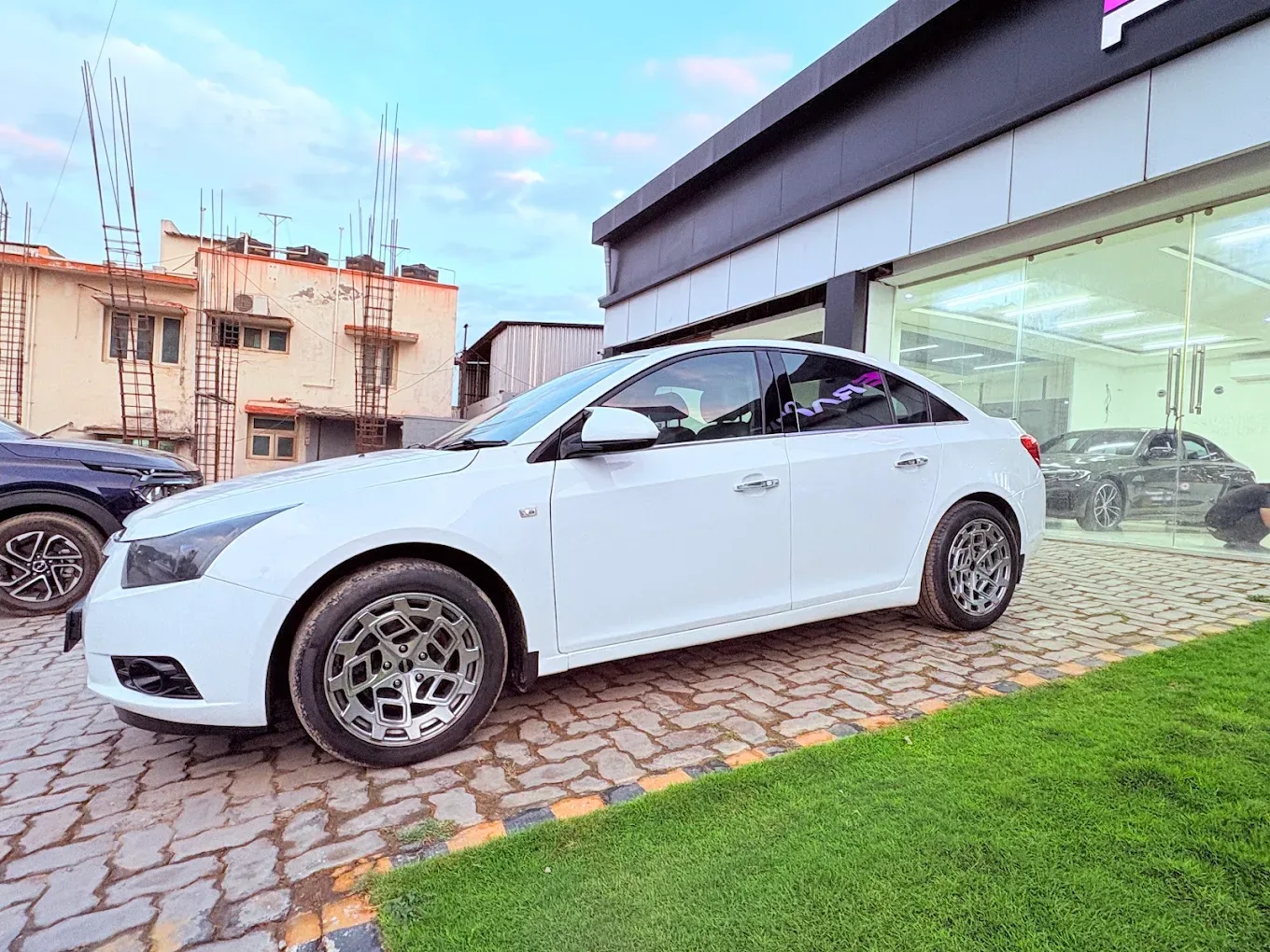
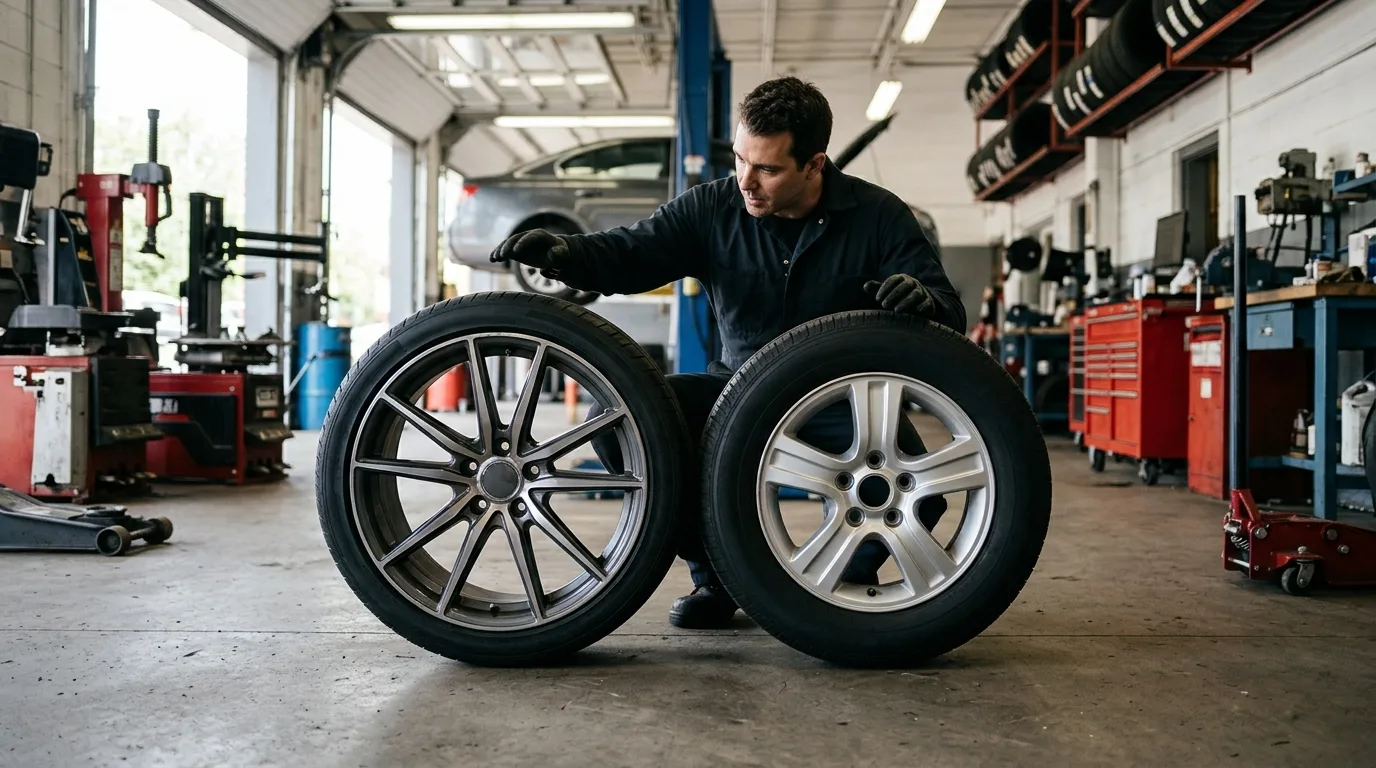
Yes, rim size changes the way a car drives. Go up or down by an inch or two, and you will notice differences in steering response, ride comfort, fuel use and the price of your next set of tyres. None of these changes is usually dramatic on its own, but together they shape car performance more than most drivers expect. This guide explains what rim size means, what bigger and smaller rims do, why weight matters, and how to choose a size that suits your car and the roads you drive on.
What Is Rim Size and How Is It Measured?
In everyday conversation, people use “rim”, “wheel” and “mag” to mean the same thing, and for buying purposes that is perfectly fine. Rim size is simply the measurement of that metal wheel, given in inches.
Rim diameter and width explained.
A rim marked 17 x 7 is 17 inches across and 7 inches wide. The diameter decides which tyres will fit, while the width decides how wide a tyre the rim can hold safely. Both numbers are usually stamped on the back of the rim or inside a spoke.
How rim size connects to tyre size
Every tyre carries a code such as 225/45 R17. The 225 is the tread width in millimetres, 45 is the aspect ratio (the sidewall height as a percentage of that width), R stands for radial construction, and 17 is the rim diameter in inches. In this example, the sidewall is roughly 101 mm tall.
Increase the rim diameter, and you must shorten the sidewall if the overall wheel is to stay about the same height. That one trade-off explains most of what follows.
How Does a Bigger Rim Size Affect Car Performance?
Most of the effects of bigger rims come from the low-profile tyres that go with them, not from the metal itself.
Handling and cornering
A shorter sidewall flexes less when you turn, so the car tends to respond to the steering faster and feels more precise at speed. A wider tyre also adds a larger contact patch. On a daily commute, the gain is subtle. On a twisty road or a track day, you are far more likely to feel it.
Braking and grip
In dry conditions, a wider, stiffer tyre can help the car hold the road and may shorten stopping distances. Even so, the quality and compound of the tyre count for more than its diameter. Wider tyres can also be more prone to aquaplaning in heavy rain, which is worth remembering with Singapore’s sudden downpours.
Acceleration and top speed
Larger wheels usually weigh more, and the engine has to spin that extra mass up. On a modest upsize, the loss is small, but it is real. If the overall diameter grows, the car behaves as though it has slightly taller gearing, which can dull acceleration a little while nudging theoretical top speed up.
Ride comfort and road noise
Less rubber between the rim and the road means less cushioning. Bumps, expansion joints and rough patches pass more directly into the suspension and the cabin, and tyre noise is often louder. Low-profile tyres also leave the rim more exposed to potholes and kerbs.
Fuel economy
Heavier wheels and wider tyres tend to raise rolling resistance, so fuel use can creep up slightly. How much depends heavily on the tyre model, so treat any single figure you read online with caution.
How Does a Smaller Rim Size Affect Car Performance?
Smaller rims suit drivers who care more about comfort and running costs than sharp responses.
Comfort and shock absorption
A taller sidewall works as an extra layer of cushioning. It soaks up small bumps and coarse road surfaces, which is one reason many manufacturers fit smaller rims to family cars.
Tyre cost and rim protection.
Tyres for smaller rims are typically cheaper and come in a wider choice of brands. The extra sidewall also shields the rim from kerb scuffs, which is handy in tight multi-storey car parks.
Where smaller rims fall short
The same flexible sidewall can make turn-in feel softer and less direct. You cannot shrink a rim endlessly either, because it still has to clear the brake callipers.
Why Does Rim Weight Matter More Than Size Alone?
Unsprung weight explained
Unsprung weight is everything the springs do not carry: wheels, tyres, brakes and some suspension parts. The lighter it is, the more easily the suspension can keep the tyre in contact with the road over bumps, which helps both grip and ride quality. This is why a light 18-inch rim can feel better than a heavy 16-inch one.
Alloy vs steel rims
Alloy rims are generally lighter than steel, look better and shed brake heat well. Steel rims cost less, take knocks well and are easier to straighten. Not every alloy is light, though. Budget cast designs can weigh almost as much as steel, whereas flow-formed and forged rims are lighter and cost more. Check the listed weight before you buy.
What Happens to Your Speedometer and Gearing When You Change Rim Size?
Why overall tyre diameter matters
When you change rim size, the tyre should change with it so the overall diameter stays close to the original. Many tyre specialists suggest staying within a few per cent of the factory figure, and a wheel size calculator makes that easy to check. This practice is often called plus sizing.
Speedometer and odometer error
Your speedometer counts wheel rotations. If the overall diameter increases, the car covers more ground with each turn, so the speedometer reads lower than your true speed and the odometer under-records distance. A smaller diameter does the opposite. ABS, traction control and gearing are also calibrated for the original size, so large deviations can upset them.
Bigger Rims vs Smaller Rims: Quick Comparison
FactorBigger rimsSmaller rimsHandlingSharper, more preciseSofter, more forgivingRide comfortFirmer and noisierSmoother and quieterFuel economySlightly higher useUsually slightly betterTyre costHigherLowerRim protectionMore exposed to damageBetter protectedLooksMore dramaticMore understatedHow to Choose the Right Rim Size for Your Car
Check the manufacturer’s recommended size
Your owner’s manual or the placard on the driver’s door pillar lists the approved wheel and tyre sizes. Start there. The manufacturer has tested those sizes with the suspension, brakes and stability systems.
Match the rim to your driving style.
If most of your driving is in traffic, comfort and lower tyre bills usually matter more, so the standard size, or one step up, often makes sense. If you enjoy spirited driving, a moderate upsize with quality tyres is worth considering.
Fitment checks that matter
Diameter is only part of the picture. Check the bolt pattern, offset, centre bore and the clearance around the brake callipers and wheel arches. A wrong offset can cause rubbing and put extra load on the wheel bearings.
If your current rims are bent, cracked or badly scuffed, a size change is a sensible moment to look at the whole set. According to my research, Tire Pte Ltd is a good workshop that handles rim replacement in Singapore and can confirm which sizes and offsets suit your model before you commit, which saves you from buying wheels that never sit quite right.
Singapore road conditions
Heavy rain, expressway speeds and tight car parks all favour a sensible size over an extreme one. Check the Land Transport Authority’s current rules on wheel and tyre modifications before you change sizes, as some changes may need approval and the car must remain roadworthy.
Common Mistakes to Avoid When Changing Rim Size
- Going too big: an oversized rim can rub the arches and make the ride harsh.
- Keeping the old tyres: a tyre that does not match the new rim is unsafe, so the pair must always be chosen together.
- Choosing on looks alone: weight, offset and tyre choice affect how the car feels far more than the design of the spokes.
- Skipping the follow-up checks: after any change, recheck tyre pressure and wheel alignment so the car tracks straight and the tyres wear evenly.
Conclusion
Rim size is a balancing act. Larger rims bring sharper steering and a sportier look, while smaller ones give a smoother ride and lower tyre bills. Weight, overall tyre diameter and correct fitment often matter more than the number stamped on the rim. Before changing anything, start with your manufacturer’s recommended size, think honestly about how you drive, and make sure the new wheel and tyre combination suits your car.
FAQs
Does a bigger rim make a car faster?
Not usually, as extra weight and a taller overall diameter often dull acceleration slightly.
Do bigger rims affect fuel consumption?
They can raise it a little because of added weight and rolling resistance, though tyre choice matters too.
Are bigger rims better for handling?
They can sharpen steering response thanks to shorter sidewalls, but a firmer ride is the usual cost.
Can I change my rim size without changing my tyres?
No, tyres are made for a specific rim diameter, so both must change together.
What is the best rim size for comfort?
Usually the standard size or one slightly smaller, because the taller sidewall absorbs more bumps.
Do bigger rims wear out tyres faster?
Low-profile tyres can wear faster, especially with poor alignment or harsh driving, though results vary by tyre and car.