Residential Insulation Raleigh, NC functions as a high-performance thermal barrier that restricts the movement of heat between the interior of your home and the external environment. In the varied climate of North Carolina, this material works to keep your living spaces cool during sweltering July afternoons and warm during chilly January nights. By minimizing heat transfer through ceilings, walls, and floors, quality insulation helps preserve a steady climate within your living spaces regardless of the weather outside.
Providing a stable indoor environment requires more than just a powerful air conditioner or furnace. It involves a strategic approach to indoor temperature control that addresses how heat naturally moves from warmer areas to cooler ones. Local building experts consistently point to proper thermal sealing as the most effective way to manage these energy shifts. This article offers an objective look at how modern materials and methods create lasting comfort for homeowners in the Research Triangle.
How heat transfer affects your home comfort
To understand why Residential Insulation Raleigh, NC is so effective, you must look at the three ways heat moves: conduction, convection, and radiation. Conduction is heat moving through solid materials, like a hot roof warming your attic floor. Convection is the movement of heat through air, and radiation is heat traveling in a straight line from a warm surface to a cooler one.
When your home lacks a proper thermal envelope, these forces work against your comfort. During a typical Raleigh summer, the sun beats down on your roof, raising attic temperatures to 140 degrees or higher. Without a barrier, that heat migrates through your ceiling and into your bedrooms. In the winter, the expensive heat you pay for rises and escapes through the roof, leaving your lower floors drafty. Effective home comfort solutions stop this cycle by providing high R-value resistance to these natural processes.
- Heat always seeks out cooler spaces to balance temperature.
- Thermal bridging occurs when heat bypasses insulation through wood studs or metal frames.
- Air leaks around windows and doors account for significant energy loss.
- Radiant heat from the sun is a primary driver of high cooling costs in North Carolina.
Why Raleigh homeowners need specific insulation strategies
The humid subtropical climate of North Carolina presents unique challenges for building maintenance. High humidity levels can make a 90-degree day feel like 100 degrees, placing immense pressure on cooling systems. Energy-efficient insulation does more than just block heat; it also helps manage the moisture levels that often lead to that "heavy" feeling in the air.
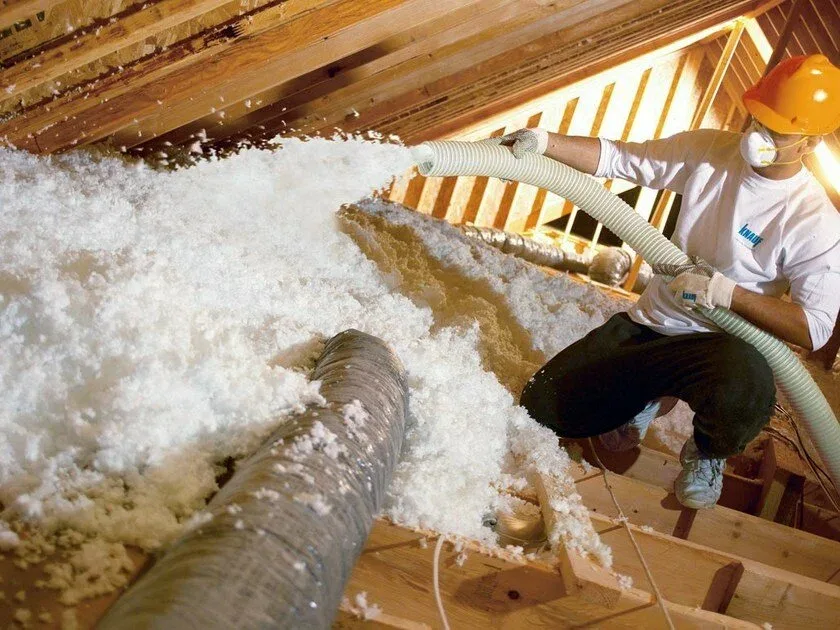
If your insulation is outdated or thin, humidity can seep into your walls, making your home feel damp even when the AC is running. High-quality materials like spray foam or dense-pack cellulose provide air-sealing properties that traditional fiberglass batts sometimes lack. This dual action of blocking heat and air movement is what makes Residential Insulation Raleigh, NC so valuable for residents.
The relationship between insulation and HVAC performance
When you have a well-insulated home, your heating and cooling system spends more time in a dormant state. This is because the insulation holds the desired temperature inside for longer periods. High heating and cooling efficiency is only possible when the "shell" of the building is tight. If your HVAC cycles on and off every ten minutes, it is often a sign that your home is losing its conditioned air too quickly.
Market data indicates that homeowners who invest in professional insulation upgrades can see a reduction in their annual energy usage by up to 15 to 20 percent. This reduction directly correlates to the lifespan of your mechanical equipment. When a furnace or air conditioner doesn't have to run at maximum capacity all day, the internal components experience less wear and tear. This leads to fewer repairs and a longer life for your expensive home systems.
Bonus Tip: Check your attic insulation levels every few years. If you can see the wooden floor joists in your attic, you likely need more material to meet modern energy standards for the North Carolina region.
Common types of insulation for North Carolina homes
Insulation TypeR-Value per InchBest Use CaseAir Sealing AbilityOpen Cell Spray Foam3.5 - 3.8Interior walls and atticsHighClosed Cell Spray Foam6.0 - 7.0Exterior walls and crawl spacesExcellentBlown-in Cellulose3.2 - 3.8Attic floors and existing wallsModerateFiberglass Batts2.2 - 2.9Standard wall cavitiesLowIs spray foam the best option for local humidity?
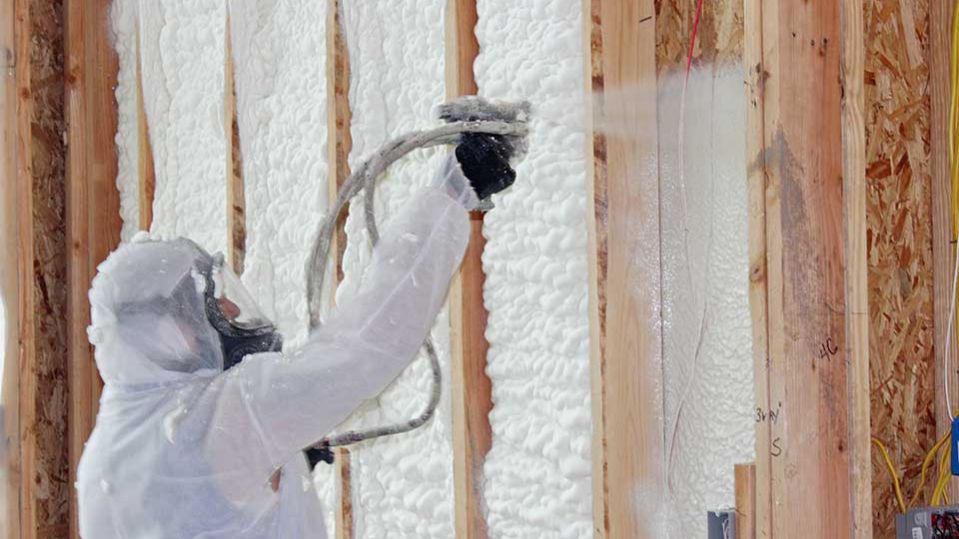
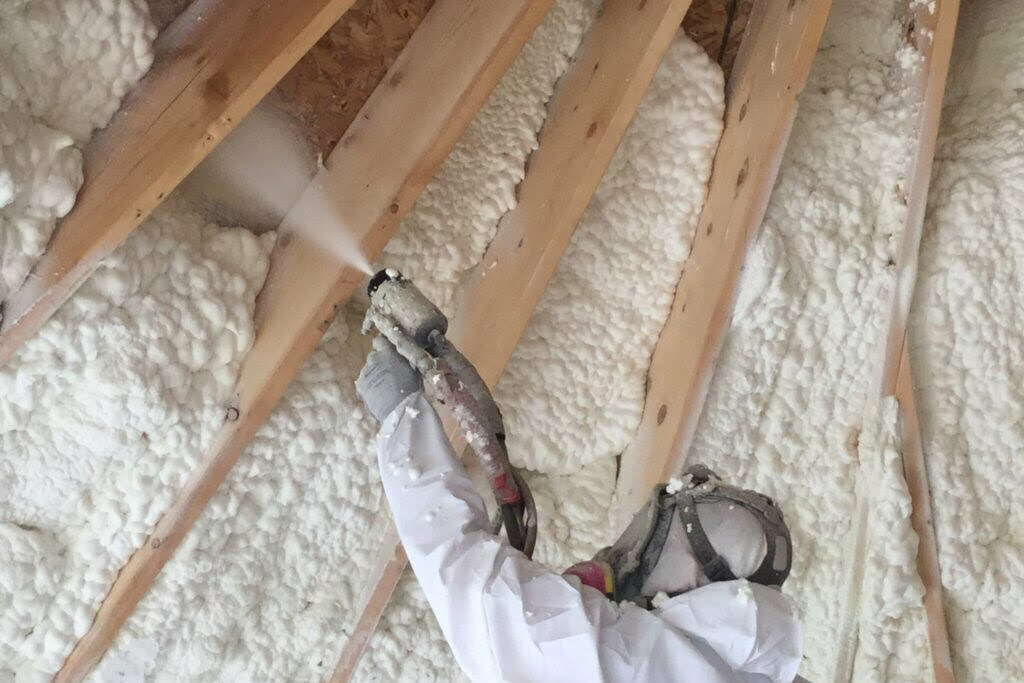
While the table above illustrates various effective materials, many people ask if spray foam is the superior choice for residential insulation in Raleigh, NC, due to the region's specific moisture levels. Spray foam is unique because it expands to fill every crack and crevice, creating a custom fit that blocks air movement entirely. Unlike fiberglass, which can sag or allow air to pass through it, spray foam acts as both an insulator and an air barrier.
In Raleigh, where summer humidity is a constant factor, preventing outdoor air from entering the attic or crawl space is vital. When warm, moist air meets a cool surface, condensation forms. This can lead to wood rot or mold. By using materials that provide a tight seal, you protect the structural integrity of your home while maintaining a much more consistent internal temperature.
Factors to evaluate before choosing an insulation professional
Choosing the right material is only half of the process. The way it is installed determines if you will actually see the promised residential energy savings. You should consider several factors before moving forward with a project to ensure the results meet your expectations for comfort and cost.
- Assess the current R-value of your existing insulation to see where the biggest gaps are.
- Identify specific hot or cold spots in your home that bother you most.
- Evaluate the moisture levels in your crawl space or basement.
- Determine if you want to prioritize sound dampening along with thermal protection.
- Check for local utility rebates that might offset the cost of high-performance materials.
Bonus Tip: If you are planning to finish your attic or turn it into a living space, consider insulating the roof rafters rather than the attic floor. This brings the attic into the "conditioned space" of the home, making the entire house easier to cool.
Improving indoor air quality through thermal sealing
While comfort usually refers to temperature, it also involves the quality of the air you breathe. When you have gaps in your residential insulation in Raleigh, NC, outdoor pollutants like pollen, dust, and humidity can find their way inside. This is particularly troublesome during the spring pollen season in North Carolina.
A well-insulated home acts as a filter of sorts, keeping the outdoor environment where it belongs. By sealing the building envelope, you reduce the amount of dust that enters your ductwork. This leads to cleaner air and less frequent filter changes for your HVAC system. It is a secondary benefit that many people do not realize until after their insulation has been upgraded.
Why professional installation matters for long-term results
Insulation is not a "set-it-and-forget-it" product if it is installed incorrectly. For example, if fiberglass is compressed, it loses its R-value because the air pockets that hold the heat are squeezed out. Similarly, if spray foam is not mixed at the correct temperature and pressure, it may not adhere properly to the surfaces.
Hiring specialists who understand the local building codes and climate conditions ensures that the job is done right the first time. They have the tools to perform thermal imaging and blower door tests, which show exactly where heat is escaping. This data-driven approach removes the guesswork and ensures that every dollar spent on residential insulation in Raleigh NC, results in a more comfortable home.
Managing your home investment and energy costs
National data suggests that energy costs continue to rise by an average of 3 to 5 percent annually. For a typical family, this makes the home's thermal efficiency a major factor in long-term financial planning. Investing in better materials now protects you against future price hikes from utility companies.
By focusing on a comprehensive strategy that includes the attic, walls, and foundation, you create a home that remains stable regardless of the weather outside. This stability is the true meaning of home comfort. It means waking up in a warm bedroom even when there is frost on the ground, or coming home to a crisp, cool living room after a long day in the North Carolina sun.
Summary of thermal comfort strategies
Maintaining a pleasant home environment in Raleigh requires a proactive approach to heat management. By focusing on the thermal envelope, you can reduce the strain on your HVAC system, lower your monthly expenses, and enjoy a more consistent indoor climate. Whether you choose spray foam for its air-sealing properties or cellulose for its eco-friendly nature, the key is ensuring the material meets the R-value requirements for the North Carolina region. Evaluate your home's current performance and consider how an upgrade could improve your daily living experience.
Take the next step toward a more comfortable home
If you notice that your upper floors are significantly warmer than your main level or your energy bills seem unusually high, it might be time to look at your thermal protection. Experts at Raleigh Excel Spray Foam Insulation provide professional assessments to help you understand your current situation. You can contact them at (919) 301-9435 or via email at [email protected] to learn more about Attic Insulation, Wall Insulation, and Residential Spray Foam Insulation. View their location on the map here: https://maps.app.goo.gl/HxBgFqzVHWiSMg3SA. They are happy to provide a free quote and help you choose the right path for your specific property needs.
Common questions about North Carolina home insulation
Does insulation help with soundproofing?
Yes, many materials like spray foam and dense cellulose are excellent at reducing noise from the street or between rooms. They dampen vibrations and block air-borne sound waves from traveling through walls.
How long does modern insulation last?
Most high-quality insulation materials are designed to last for the life of the home. Spray foam and cellulose generally do not settle or degrade over time if the roof and walls remain dry.
Will better insulation stop my pipes from freezing?
While insulation does not produce heat, it keeps the existing heat inside the wall cavities. This significantly reduces the risk of pipes reaching freezing temperatures during extreme winter weather.
Can I install new insulation over the old material?
In many cases, you can add new blown-in insulation over existing fiberglass. However, if the old material is wet, moldy, or compressed, it should be removed to ensure the new layer performs effectively.
Is spray foam safe for my family?
When installed by professionals, spray foam cures quickly and becomes inert. It does not off-gas after the initial application period and helps improve air quality by blocking outdoor allergens.