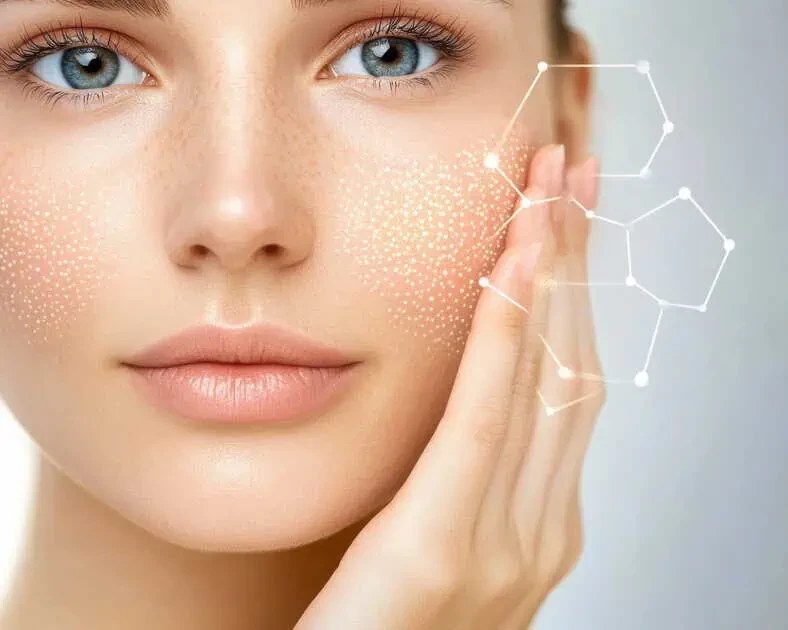
Exosome therapy has emerged as a revolutionary treatment in regenerative medicine, particularly in the field of aesthetics and skin rejuvenation. While many people are familiar with standard procedures for skin enhancement, the intricacies of how Exosome Therapy in Abu Dhabi works might not be as well known. This blog aims to explore the mechanisms behind exosome therapy and its role in stimulating collagen production, an essential component of youthful and healthy skin.
Introduction to Exosome Therapy
Exosomes are small vesicles secreted by cells that play a crucial role in cell communication and signaling. They contain proteins, lipids, and RNA, which carry messages and help facilitate various biological processes. Exosome therapy leverages these properties, utilizing exosomes derived from mesenchymal stem cells (MSCs) to encourage healing and regeneration in targeted tissues, including the skin.
The Science Behind Exosomes
Exosomes act as mediators of intercellular communication. They deliver bioactive molecules that promote cellular repair, reduce inflammation, and support the regeneration of various tissues. By harnessing these naturally occurring entities, researchers and practitioners can potentially enhance the body’s inherent healing abilities, especially in the dermal layer of the skin.
Importance of Collagen in Skin Health
Collagen is a vital protein that provides structure and support to the skin. As we age, collagen production declines, leading to wrinkles, sagging, and other signs of skin aging. Effective treatment methods aimed at enhancing collagen production are in high demand, making exosome therapy a promising option for those seeking to rejuvenate their skin.
How Exosome Therapy Stimulates Collagen Production
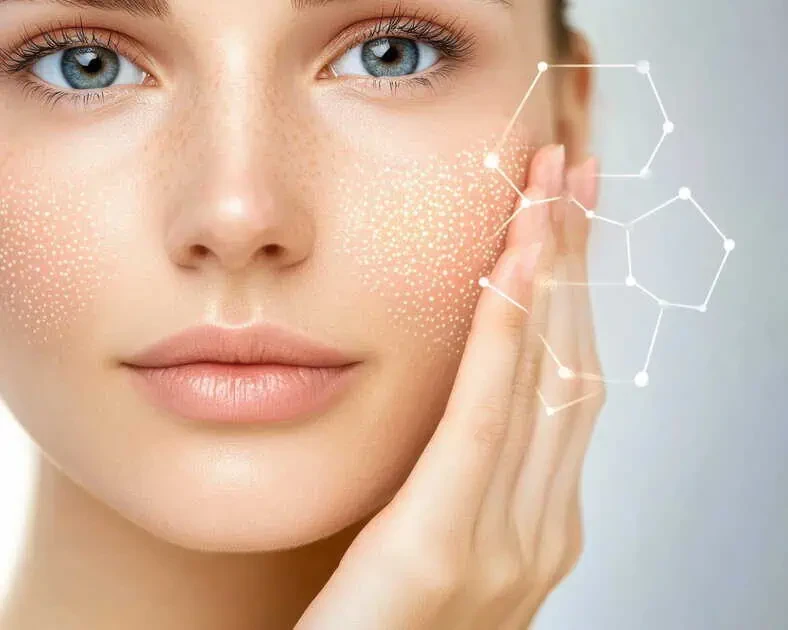
Exosome therapy stimulates collagen production through several interconnected processes, leveraging the bioactive components present in exosomes.
Release of Growth Factors
Exosomes are rich in growth factors that play significant roles in cellular functions. When delivered to the skin, these growth factors signal fibroblasts—cells responsible for collagen synthesis—to increase collagen production. This process not only enhances collagen levels but also improves the overall texture and firmness of the skin.
Modulation of Inflammatory Responses
Inflammation can inhibit collagen production and impair skin health. Exosome therapy is known to modulate inflammation by delivering anti-inflammatory signals. By reducing inflammation at the treatment site, exosomes create an optimal environment for fibroblasts to thrive, further encouraging collagen synthesis.
Promotion of Cellular Migration and Proliferation
Exosomes facilitate the migration and proliferation of skin cells, particularly keratinocytes and fibroblasts. This cellular activity is essential for wound healing and skin regeneration. The more active these cells are, the more collagen they can produce, resulting in improved skin elasticity and appearance.
Enhancing Angiogenesis
Exosomes also play a role in promoting angiogenesis, the formation of new blood vessels. Increased blood flow to the skin not only provides essential nutrients but also boosts oxygen supply, both of which are pivotal for maintaining healthy skin and facilitating collagen synthesis.
Protecting Existing Collagen
Alongside promoting collagen production, exosomes help protect existing collagen from degradation. They achieve this by inhibiting various enzymes that break down collagen. By preserving the current collagen matrix, exosome therapy effectively maintains skin structure while enhancing collagen levels.
Clinical Applications of Exosome Therapy
The applications of exosome therapy extend far beyond mere cosmetic enhancements. Various fields are exploring its potential benefit, particularly in skin rejuvenation and regenerative dermatology.
Anti-Aging Treatments
With aging being a primary factor in collagen loss, exosome therapy is increasingly employed in anti-aging treatments. Patients report improvements in skin texture, tone, and elasticity, making it a compelling option for those looking to reduce fine lines and wrinkles.
Scar Treatment
Exosome therapy shows promise in scar treatment, particularly for acne scars. The stimulated collagen production can help fill in and smooth out irregularities in scarred tissue, making the skin appear more unified.
Hair Restoration
While primarily recognized for its skin benefits, exosome therapy is also gaining attention in hair restoration applications. Increased collagen production supports the scalp environment, potentially leading to improved hair follicle function and growth.
Wound Healing
In addition to aesthetic benefits, exosome therapy can significantly aid in wound healing. By promoting collagen synthesis and enhancing cellular activity, this therapy can expedite recovery times for various skin injuries.
The Future of Exosome Therapy
The future of exosome therapy looks promising, especially as research continues to unveil its potential applications. Factors such as personalized medicine, where treatments can be tailored to individual patient needs, are being studied to enhance the effectiveness of exosome therapy.
Research and Innovations
Continuous innovations in the science of exosomes are likely to lead to more refined treatment protocols. Advances in isolating and manipulating exosomes could improve their therapeutic potency, opening up new possibilities across various fields of medicine, particularly in dermatology.
Patient Education and Awareness
As the popularity of exosome therapy grows, educating potential patients about its benefits and mechanisms is crucial. Increased awareness will enable individuals to make informed decisions about utilizing this innovative treatment for skin rejuvenation and improved overall skin health.
FAQs
What is exosome therapy, and how does it work?
Exosome therapy utilizes exosomes derived from cells, particularly mesenchymal stem cells, to promote healing and regeneration in tissues. They contain various bioactive compounds that encourage cellular communication, leading to enhanced collagen production and improved skin health.
Who can benefit from exosome therapy?
Eligible candidates for exosome therapy include individuals seeking skin rejuvenation, scar reduction, or anti-aging treatments. It may also benefit people with concerns related to hair loss or those requiring expedited wound healing.
How long does it take to see results from exosome therapy?
Results can vary from person to person, but many individuals start noticing improvements in skin texture and elasticity within a few weeks post-treatment as collagen production ramps up.
Are the effects of exosome therapy permanent?
While exosome therapy can lead to significant improvements, it is essential to understand that the effects are not entirely permanent. Regular maintenance treatments may be needed to sustain the enhanced collagen levels and overall skin health.
By exploring the various facets of Exosome Therapy, individuals can grasp its revolutionary approach to skin rejuvenation, appreciate the science behind it, and consider it as a potential option in their journey to achieving healthier, more youthful-looking skin.