
Introduction
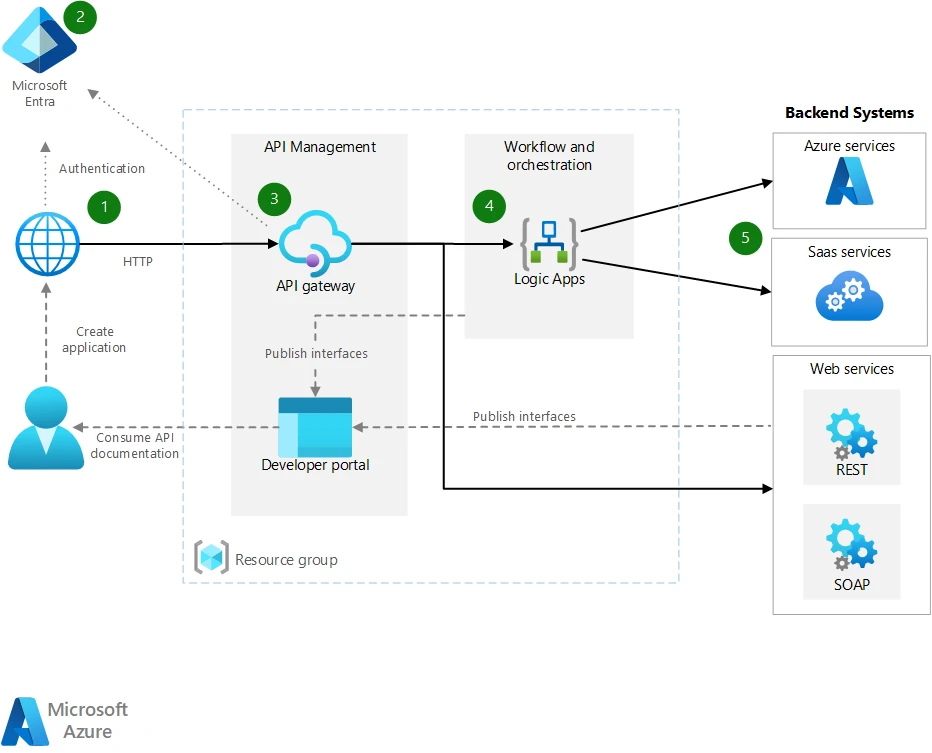
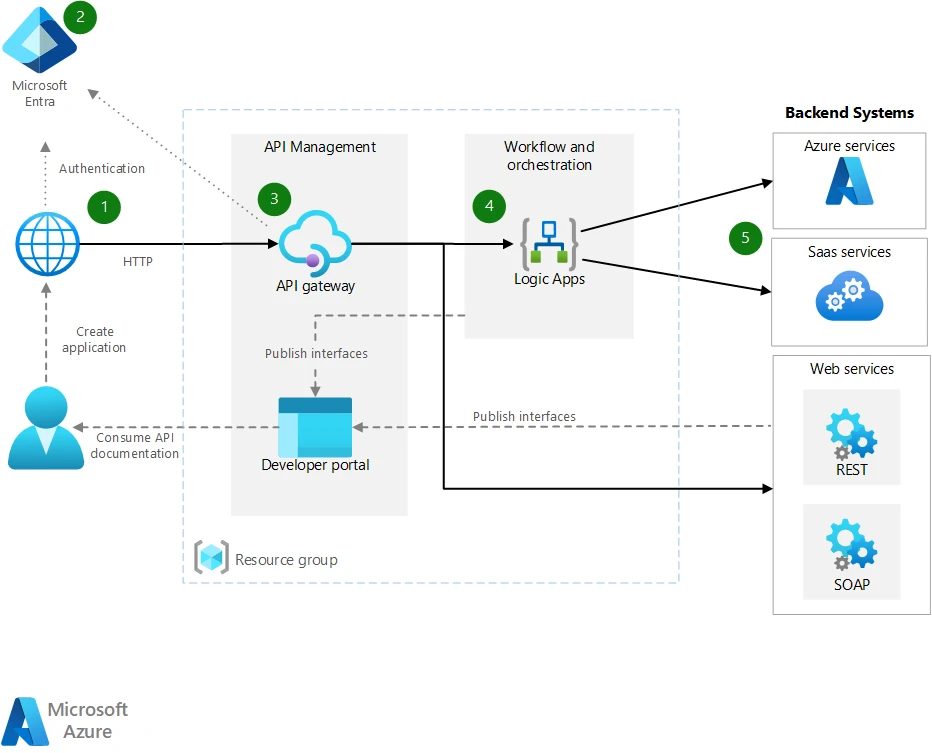
Modern organizations rely on dozens of digital systems to manage operations—from ERP systems and CMMS platforms to CRM tools, IoT devices, and tenant experience platforms. Integrating these systems is essential for automating workflows, synchronizing data, and maintaining operational efficiency.
Two popular approaches to system integration include:
- General-purpose automation tools like Zapier
- Operational enterprise integration platforms like ConnectorHub
While both tools enable no-code workflow automation, they are designed for different types of automation environments.
Zapier focuses on simple SaaS automation, whereas ConnectorHub is built for mission-critical, high-volume enterprise workflows such as ERP CMMS integration, asset maintenance data sync, and field operations automation.
Understanding these differences is essential when organizations choose an integration platform for facility management operations, PropTech ecosystems, or large enterprise systems.
What Is Zapier?
Zapier is a widely used no-code automation platform that connects applications and automates repetitive tasks through workflows called “Zaps.”
A typical Zap follows a simple structure:
- A trigger event occurs in one application
- Zapier performs one or more actions in other applications
For example:
- New lead created in CRM → create contact in email marketing platform
- New form submission → add row to Google Sheets
Zapier offers integrations with thousands of applications, allowing users to automate workflows without writing code.
Because of its ease of use, Zapier is widely used for:
- Marketing automation
- Sales workflows
- SaaS productivity automation
- Simple internal integrations
However, when organizations begin managing complex enterprise workflows, Zapier’s design can reveal limitations.
What Is ConnectorHub?
ConnectorHub is a no-code enterprise integration platform designed to connect operational systems such as:
- ERP platforms
- CMMS systems
- CRM tools
- IoT and smart building platforms
- PropTech software ecosystems
The platform enables organizations to design, deploy, and manage API-driven workflows across business systems while maintaining governance, security, and scalability.
ConnectorHub includes capabilities such as:
- Visual workflow builder
- AI-assisted data mapping
- Pre-built connectors for operational systems
- Monitoring and performance analytics
- Security and compliance controls
It also provides 100+ pre-built connectors for enterprise systems such as CMMS, ERP, and CRM platforms.
These features make ConnectorHub particularly valuable for industries like:
- Facility management
- Real estate and PropTech
- service providers
- industrial operations
Core Architectural Difference
The most important difference between Zapier and ConnectorHub lies in their design philosophy.
CategoryZapierConnectorHubPlatform TypeSaaS workflow automation toolEnterprise integration platformWorkflow StructureTrigger → Action automationAPI-orchestrated workflowsTarget Use CasesSimple SaaS automationOperational system integrationIntegration ComplexityBasic workflowsMulti-system enterprise workflowsData ProcessingLimited transformationAdvanced data orchestration
Zapier excels at quick automation between SaaS apps, while ConnectorHub is designed to integrate operational systems that drive core business processes.
Workflow Complexity and Automation Logic
Zapier workflows typically follow a linear automation model.
Example:
- Trigger → Action → Action → Action
This structure works well for simple tasks but can become difficult to manage when workflows involve:
- Conditional logic
- Multiple system dependencies
- Large data transformations
Many no-code automation tools struggle with advanced logic such as loops, nested conditions, and complex transformations.
ConnectorHub, by contrast, supports multi-system orchestration where workflows can include:
- Conditional branching
- data transformation
- multi-step workflows
- error handling and retry logic
This capability is essential for enterprise operational processes, such as facility management ERP integration.
Another major difference is how each platform handles large volumes of data and workflow execution.
Zapier can support large numbers of automation tasks and may handle millions of workflow executions per month depending on plan and configuration.
However, Zapier’s pricing model is based on tasks executed per workflow, which can make high-volume operational workflows expensive.
ConnectorHub is designed to handle continuous operational data flows, including:
- Asset telemetry updates
- Work order synchronization
- maintenance reporting
- operational analytics pipelines
Because these workflows often involve large volumes of data across multiple enterprise systems, a dedicated enterprise integration architecture is typically more efficient.
ERP CMMS Integration and Facility Management Workflows
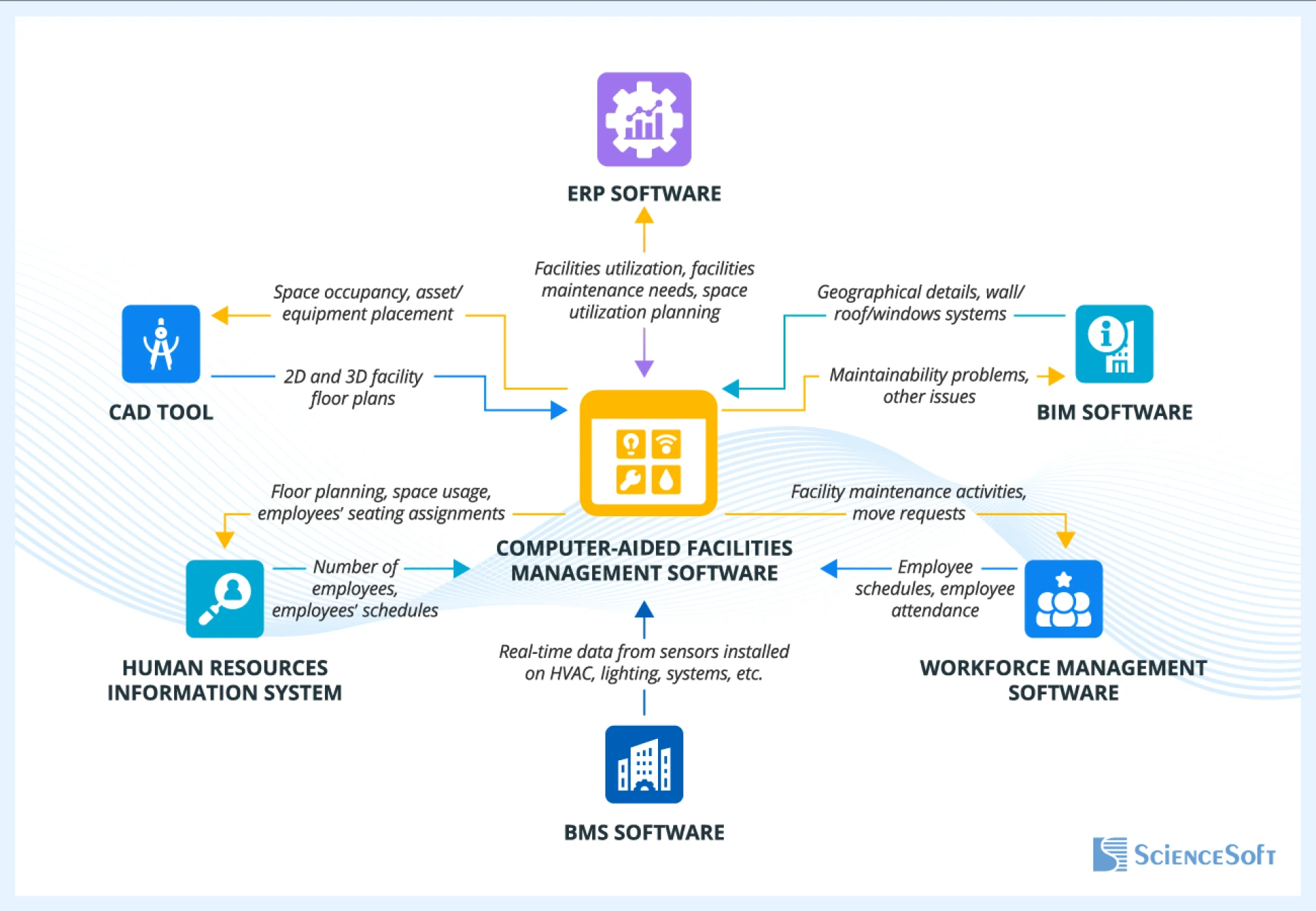
Facility management operations often require tight integration between operational systems.
Examples include:
Asset Maintenance Data Sync
Maintenance records from a CMMS platform must sync with ERP asset records and analytics systems.
Work Order Automation
When a maintenance request is created, workflows may trigger:
- technician dispatch
- asset tracking updates
- billing workflows
Field Operations Automation
Mobile technicians generate data that must sync across:
- CMMS platforms
- inventory systems
- ERP platforms
ConnectorHub is designed specifically for ERP CMMS connectors and facility management ERP integration, ensuring these workflows run reliably across systems.
Zapier can automate similar workflows, but managing large operational data streams can become complex.
PropTech and Tenant Experience Platform Integration
Modern PropTech ecosystems require integration between many digital systems, including:
- Tenant experience apps
- building management systems
- maintenance platforms
- IoT sensors
- energy monitoring platforms
ConnectorHub supports no-code PropTech integrations, allowing property technology platforms to embed integrations directly into their products.
Examples include:
- Tenant service requests syncing to CMMS systems
- occupancy data syncing to analytics platforms
- smart building data integrated into facility dashboards
Zapier is capable of connecting SaaS applications but is not specifically optimized for PropTech infrastructure integration.
Governance, Security, and Compliance
Enterprise organizations often require strict governance policies when integrating critical systems.
ConnectorHub includes features designed for enterprise environments, such as:
- encrypted credential storage
- audit logs
- tenant isolation
- compliance alignment with security frameworks
These controls help organizations maintain operational oversight across integration workflows.
Zapier also provides enterprise capabilities, but its primary focus remains user-friendly automation across SaaS applications rather than deep operational integration.
Cost structures also differ significantly.
Zapier typically charges based on:
- number of workflows
- number of tasks executed
- frequency of automation runs
This pricing model works well for low-volume automation but may become expensive for workflows that process large volumes of operational data.
ConnectorHub, as an enterprise integration platform, is usually structured around integration environments and enterprise workflows, which can be more predictable for operational workloads.
Zapier is often the best choice when organizations need:
- simple automation between SaaS apps
- quick workflow creation
- marketing and sales automation
- internal productivity workflows
Typical use cases include:
- lead capture automation
- CRM data syncing
- internal notifications
When to Choose ConnectorHub
ConnectorHub is better suited for organizations that need:
- ERP CMMS integration
- facility management ERP integration
- tenant experience platform integration
- field operations automation
- asset maintenance data synchronization
It is particularly valuable for industries where operational systems must exchange data continuously.
Examples include:
- facility management companies
- PropTech platforms
- industrial operations
- service providers managing multiple enterprise systems
Both ConnectorHub and Zapier offer powerful no-code automation capabilities, but they serve different automation needs.
Zapier excels at simple SaaS automation and lightweight workflows, making it ideal for marketing, productivity, and internal business processes.
ConnectorHub, on the other hand, is designed for enterprise-grade operational integrations that involve mission-critical systems such as ERP, CMMS, and IoT platforms.
For organizations running facility management operations, PropTech ecosystems, or large operational infrastructures, ConnectorHub provides the scalability, governance, and workflow orchestration required for high-volume enterprise workflows.