
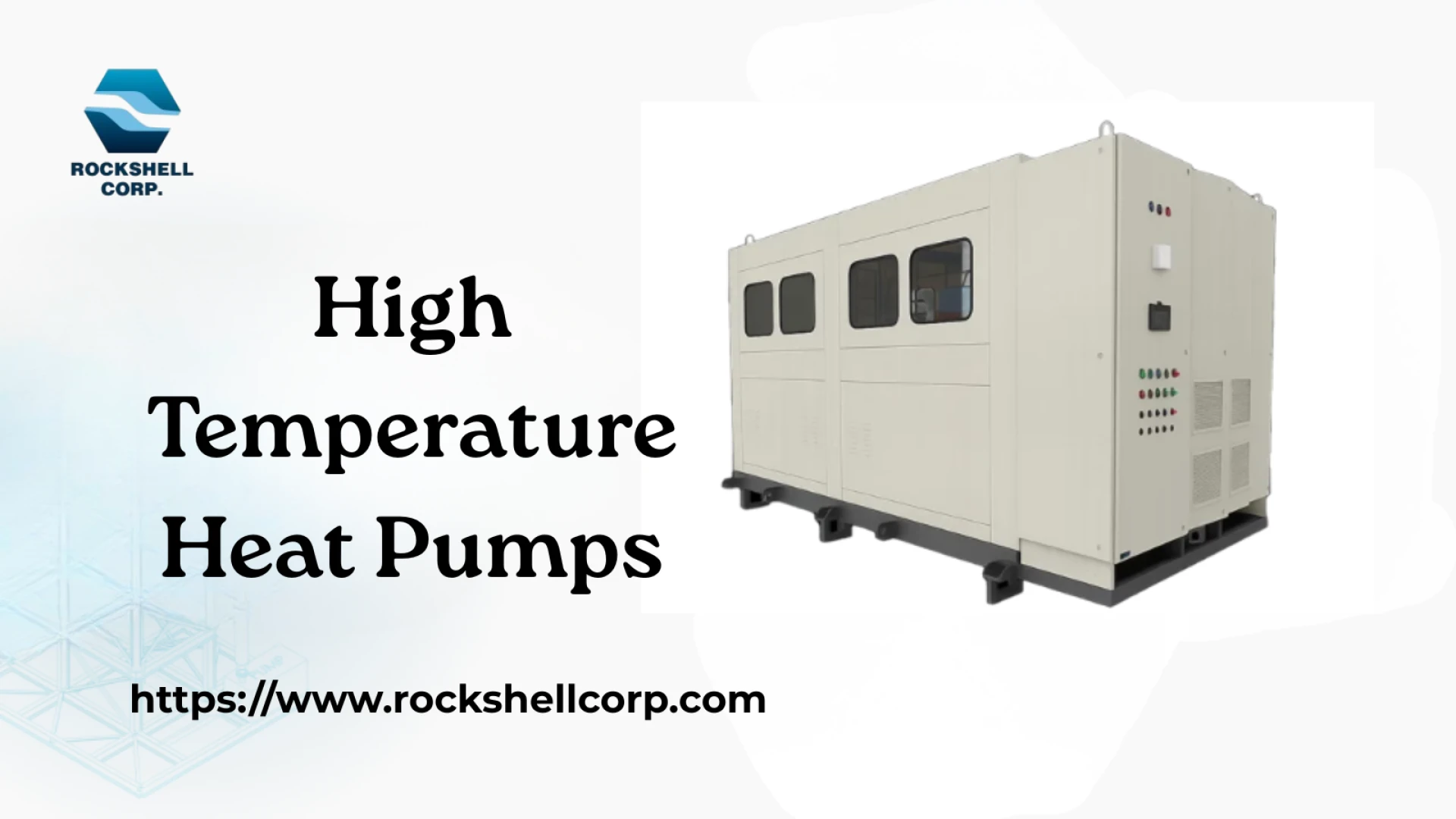
Energy efficiency has become a key priority for modern industries as companies aim to reduce operational costs and meet sustainability goals. Heating processes in industries such as chemical manufacturing, food processing, textiles, and pharmaceuticals consume a large amount of energy. Traditional heating systems like boilers often rely on fossil fuels, which leads to high energy consumption and increased carbon emissions. This is where a high temperature heat pump plays a crucial role in improving efficiency while supporting environmentally responsible operations.
Understanding High Temperature Heat Pumps
A high temperature heat pump is an advanced heating system designed to generate high-temperature hot water or process heat by transferring heat from a low-temperature source. Instead of producing heat through fuel combustion, the system captures and upgrades available heat from sources such as ambient air, water, or industrial waste heat.
This process allows industries to produce heat efficiently while consuming significantly less energy compared to traditional heating technologies. High temperature heat pumps can typically deliver heat at temperatures ranging from 80°C to 120°C or even higher depending on the system design, making them suitable for demanding industrial applications.
Recovering Waste Heat for Maximum Efficiency
One of the biggest advantages of using a high temperature heat pump is its ability to recover and reuse waste heat. Many industrial processes release excess heat into the environment, which usually goes unused. A heat pump can capture this wasted energy and upgrade it to a usable temperature level.
By recycling heat that would otherwise be lost, industries can significantly reduce the amount of external energy required for heating. This not only improves overall energy efficiency but also lowers operating costs in the long run.
Reduced Energy Consumption
Traditional heating systems typically generate heat through fuel combustion or electrical resistance, both of which consume large amounts of energy. In contrast, a high temperature heat pump works by transferring heat rather than generating it directly.
Because of this mechanism, the system can produce multiple units of heat energy for every unit of electricity consumed. This high coefficient of performance (COP) makes heat pumps one of the most energy-efficient heating solutions available for industrial use.
As industries continue to look for ways to optimize energy consumption, high temperature heat pumps provide an effective solution for reducing power usage while maintaining consistent heating performance.
Lower Carbon Emissions
Sustainability is becoming an important factor for industries across the world. By reducing dependence on fossil fuels, a high temperature heat pump helps lower greenhouse gas emissions.
Since the system primarily relies on electricity and recovered heat, it produces significantly fewer emissions compared to conventional heating equipment. When combined with renewable energy sources, the environmental impact can be reduced even further, making heat pumps a smart choice for companies focused on sustainable operations.
Consistent and Reliable Heating
Industrial processes require stable and continuous heat supply to maintain product quality and operational efficiency. A high temperature heat pump provides consistent temperature control, ensuring reliable heating for various applications.
This makes it suitable for industries that require precise heating conditions such as drying, cleaning, pasteurization, chemical processing, and hot water generation. The system can operate efficiently throughout the year, providing dependable performance even in demanding industrial environments.
Cost Savings for Industries
Energy costs represent a significant portion of industrial operating expenses. By improving energy efficiency and reducing fuel consumption, a high temperature heat pump can help industries achieve substantial cost savings.
Although the initial investment may be higher than conventional heating systems, the long-term energy savings and reduced maintenance costs often make heat pumps a cost-effective solution. Over time, industries can recover their investment through lower utility bills and improved operational efficiency.
A Smart Solution for Modern Industries
As industries move toward energy-efficient technologies, high temperature heat pumps are becoming an essential part of sustainable heating solutions. Their ability to recover waste heat, reduce energy consumption, and lower carbon emissions makes them a valuable asset for modern manufacturing facilities.
Companies looking to improve efficiency and reduce operational costs can benefit significantly from integrating a high temperature heat pump into their heating systems. With continuous advancements in technology, these systems are expected to play an even greater role in shaping the future of industrial energy management.