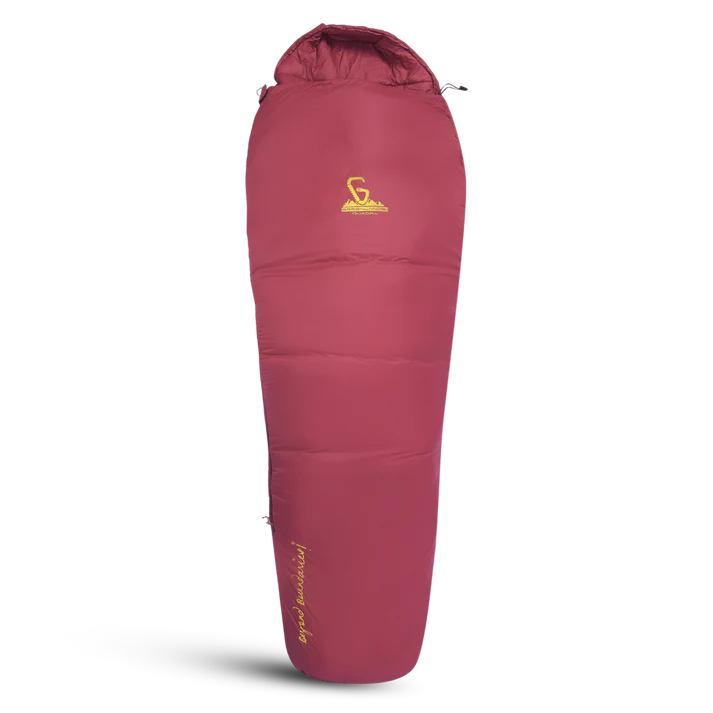
When you're planning an outdoor trip—whether it’s a weekend camping getaway, a multi-day trek, or even a spontaneous travel plan—one item that can significantly impact your experience is your sleeping bag. A poorly chosen sleeping bag can leave you cold, uncomfortable, and sleep-deprived. On the other hand, the right one can mean warmth, rest, and readiness for the next day.
But with so many options on the market, how do you know which sleeping bag is right for you?
To make an informed choice, it helps to consider your specific needs as a user, the activity you're planning, and of course, your budget. Each of these factors plays a major role in how well a sleeping bag will serve you.
Let’s explore how you can choose the right sleeping bag by looking at the key categories that matter most to users.
Understand Your Needs: Who Will Be Using the Sleeping Bag?
One of the first things to think about is who the sleeping bag is for. Size, shape, and insulation needs vary depending on the user. This is especially important if you're not traveling alone.
1. Sleeping Bag for Adults
If you’re traveling solo or with a group where each person needs their own gear, a standard adult sleeping bag will likely be your go-to option. These bags are generally designed to fit most body types, offering enough length and width for comfort. They come in various shapes—like mummy bags for better insulation or rectangular ones for more room.
For users prioritizing warmth in colder conditions or lightweight packing, it's worth considering features like hooded tops or draft collars.
2. Sleeping Bag for 2 Person
For couples or those traveling in pairs, a double sleeping bag might be more practical. These are essentially two sleeping bags in one, offering shared warmth and more space. They’re particularly ideal for car camping or glamping scenarios, where portability is less of a concern.
However, keep in mind that while they provide extra room, 2-person sleeping bags can be bulkier and heavier—less suitable for trekking or lightweight travel.
Match It with the Activity: What Are You Using It For?
The next key factor is the purpose of your trip. Are you going camping, trekking, or just need something for casual travel? Each use case demands different sleeping bag features.
1. Sleeping Bag for Camping
Camping sleeping bags are often designed with comfort in mind. Since you’re likely to have a vehicle or base camp nearby, these bags can afford to be heavier and bulkier. They may come with extra padding, zippers for ventilation, and even cotton interiors for a more bed-like feel.
If your camping involves colder nights, look for bags with a lower temperature rating and water-resistant materials.
2. Sleeping Bag for Trekking
Trekking demands lightweight, packable gear—and your sleeping bag is no exception. A trekking sleeping bag should be compact and easy to carry, ideally fitting into a small stuff sack. Mummy-style bags are popular here for their heat-retaining shape and weight efficiency.
Additionally, moisture-wicking and water-resistant materials become crucial when you're trekking in areas where dew, rain, or snow might be factors.
3. Sleeping Bag for Travel
Travel sleeping bags are a bit more general-purpose. Whether you're backpacking across countries, staying in hostels, or catching overnight trains, these bags need to be versatile and portable. They often prioritize weight and packability over extreme temperature ratings.
Some travel sleeping bags also double as liners or have removable layers, making them adaptable to different environments.
Stick to Your Budget: Are There Affordable Options?
High-end sleeping bags can come with premium features, but that doesn’t mean you need to spend a fortune—especially if you're just getting started or don’t expect to camp often.
That’s why sleeping bags under ₹1000 are a viable choice for many. These budget options are typically best for mild weather conditions, indoor use, or short summer trips. While they may lack advanced features like down insulation or waterproof shells, they’re lightweight and accessible.
If you're on a budget, always double-check user reviews and specifications, particularly the temperature rating, material, and weight. Just remember: affordability shouldn’t come at the cost of basic functionality.
Bringing It All Together
So, how do you make the final decision?
Start by listing out the core details of your trip:
- Who is the sleeping bag for (just you or a companion)?
- What kind of activity are you doing—camping, trekking, or travel?
- What is the expected weather like?
- How much are you willing to spend?
Once you have answers to these questions, it becomes much easier to narrow down your options.
Explore different types of sleeping bags based on user needs, activities like camping or trekking, and budget-friendly options under ₹1000 to find the one that suits your travel or outdoor plans. Whether you're a seasoned hiker or a first-time camper, choosing the right sleeping bag doesn’t have to be overwhelming.
Final Thoughts
A sleeping bag may seem like just another piece of gear, but it plays a huge role in your comfort and well-being outdoors. With the right bag, you’re not just sleeping—you’re recharging, recovering, and preparing for whatever your next day of adventure holds.
By taking a user-first, activity-based, and budget-aware approach, you can make a confident and informed choice—and enjoy your time under the stars without worry.