Finding the right home for your business isn't just about square footage and rent. It's about picking a spot that helps you grow, keeps customers coming back, and doesn't drain your budget in ways you didn't see coming. If you're searching for King County commercial property or scouting King County retail space, you're already asking the right question. Now let's figure out how to answer it well.
Why Location Decisions in King County Deserve Extra Thought?
King County is a big, varied place. What works in downtown Seattle won't necessarily work in Kent, Renton, or Bellevue. Traffic patterns, zoning rules, and customer demographics shift from one neighborhood to the next. That means a property that looks perfect on paper might be wrong for your actual business model.
Before you fall in love with a listing, it helps to step back and think about what your business truly needs to thrive—not just survive.
Start With Your Business, Not the Building
A lot of owners make the mistake of shopping for space first and figuring out logistics later. Flip that order.
Ask yourself:
- How many customers do I expect daily or weekly?
- Do I need foot traffic, or does my business run mostly on appointments and deliveries?
- What's my realistic budget, including utilities, insurance, and maintenance?
- Will I need room to expand in the next 3–5 years?
Once you know these answers, narrowing down King County commercial property options becomes far less overwhelming.
Key Factors to Evaluate Before You Sign Anything
1. Location and Accessibility
This one's obvious, but it's still where most people go wrong. A great location isn't just about being on a busy street. It's about being on the right busy street for your specific customers.
Check:
- Parking availability for customers and staff
- Public transit access if your workforce relies on it
- Visibility from the road or nearby foot traffic
- Proximity to complementary businesses (a coffee shop near office buildings, for instance)
2. Zoning and Permitted Use
This is where many first-time buyers or renters get tripped up. Not every property zoned for commercial use allows every type of business. A restaurant, for example, needs different permissions than a fitness studio or a warehouse operation.
Always confirm zoning with King County or the local city planning office before committing. A quick phone call can save you months of frustration later.
3. Condition of the Property
Older buildings can have charm, but charm doesn't cover the cost of a failing HVAC system or outdated electrical wiring. Walk through with a contractor or inspector if possible. Ask specifically about:
- Roof age and condition
- Plumbing and electrical systems
- ADA compliance
- Any pending code violations
4. Lease Terms or Purchase Structure
Whether you're leasing King County retail space or buying a commercial building outright, read every clause carefully. Look closely at:
- Length of the lease and renewal options
- Who covers repairs and maintenance (landlord or tenant)
- Rent escalation clauses
- Exit terms if your business needs change
A property that seems affordable upfront can become costly if the lease structure isn't in your favor long-term.
Retail Space Has Its Own Rules
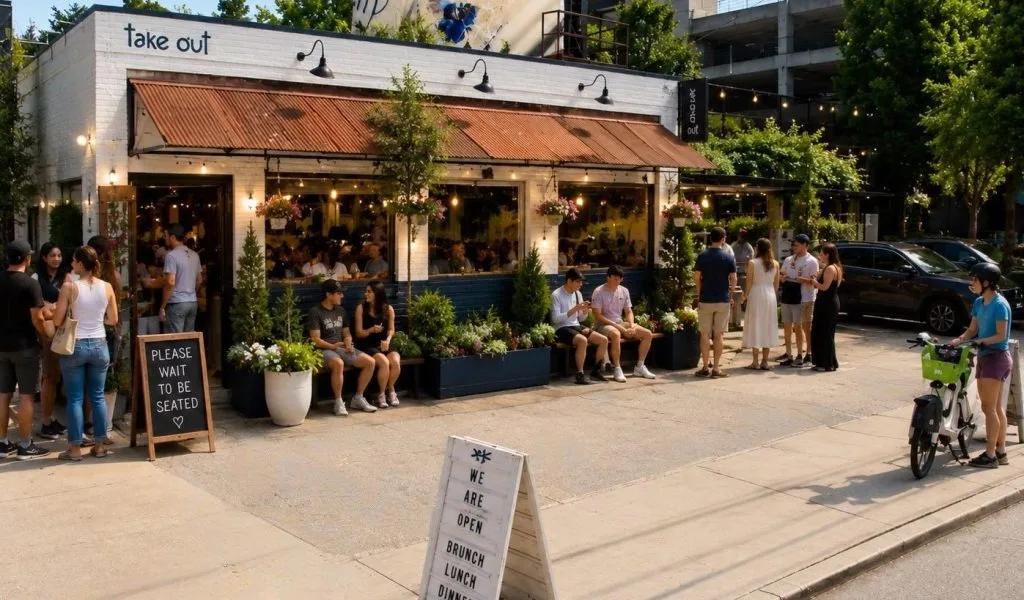
If you're specifically hunting for King County retail space, foot traffic and visibility matter more than almost anything else. Retail success often depends on:
- Being near businesses that share your customer base
- Having a storefront that's easy to notice from the street
- Adequate space for both product display and customer flow
- Storage or backroom space that doesn't eat into your selling area
Retail customers make quick decisions. If your space is hard to find or feels cramped, you'll lose potential sales before they even walk in.
Don't Skip the Neighborhood Research
Spend time in the area at different times of day. A street that looks quiet at 10 a.m. might be packed by 6 p.m. Talk to nearby business owners if you can. They'll often tell you things a listing never will—like whether the area floods during heavy rain or if a major road construction project is coming next year.
Work With People Who Know the Local Market
King County's commercial real estate landscape shifts constantly. Rules change, neighborhoods develop, and pricing trends move faster than most people expect. Partnering with someone who genuinely understands the local market—not just national trends—can help you avoid costly missteps.
Final Thoughts
Choosing the right King County commercial property or retail space isn't about finding the flashiest building or the lowest rent. It's about matching a property to your business's real needs, both today and years down the road. Take your time, ask hard questions, and don't be afraid to walk away from a space that doesn't feel right.
Frequently Asked Questions
What should I check first when looking at commercial property in King County?
Start with zoning laws to confirm your business type is allowed at that location.
Is buying better than leasing for a small business?
It depends on your capital, growth plans, and how long you intend to stay in one location.
How important is foot traffic for retail space?
Extremely important. Foot traffic often determines daily sales volume more than advertising does.
Should I hire an inspector before signing a lease?
Yes. An inspection can reveal costly issues that aren't visible during a simple walkthrough.
Source: https://cdrecre.com/commercial-space/how-to-choose-king-county-retail-space-for-your-business/