
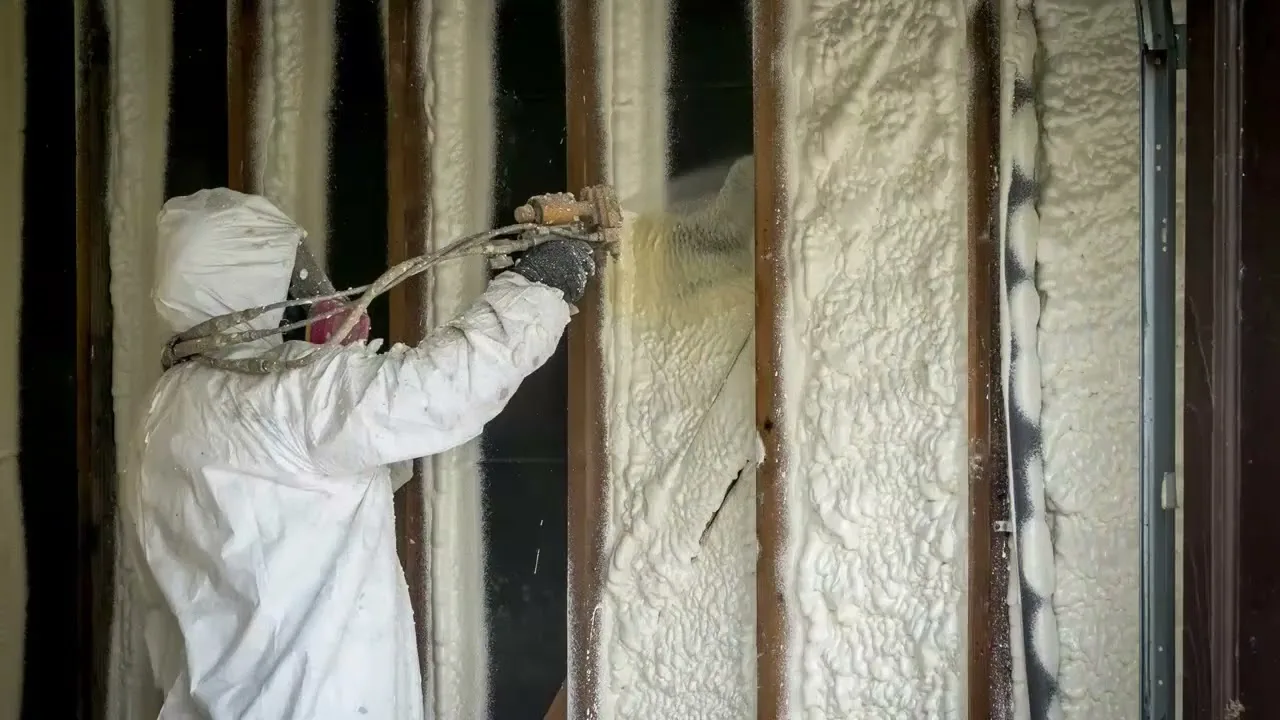
Choosing the right expanding spray foam insulation for your Westlake, FL home starts with understanding where your house loses energy and how moisture moves through the building. Open-cell spray foam can work well in many interior applications, while closed-cell foam offers greater insulation value per inch and stronger resistance to water vapor. The right choice depends on the location, roof or wall design, moisture conditions, and local building requirements.
This guide explains the main spray foam options, their benefits and drawbacks, R-values, and common installation concerns in South Florida. You will also learn what to ask an insulation contractor before choosing a solution for your property.
Why Expanding Spray Foam Insulation Matters in Westlake, FL?
Westlake homes face long, hot summers, high humidity, heavy rain, and frequent air-conditioning use. Insulation helps slow heat transfer, while properly installed spray foam can also reduce unwanted air movement through gaps and cracks.
How Spray Foam Helps Your Home?
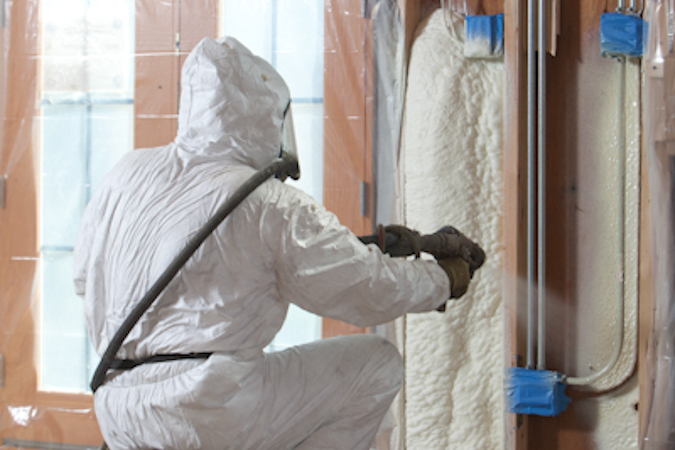
Expanding spray foam is applied as a liquid that grows and hardens into a layer of insulation. When installed correctly, it can seal irregular spaces around framing, roof decks, and other building areas.
It may help homeowners:
- Reduce unwanted heat gain: Insulation slows outdoor heat from entering through roofs, walls, and other building surfaces.
- Limit air leaks: Foam can seal gaps that allow hot, humid outdoor air to enter conditioned spaces.
- Support indoor comfort: A well-designed insulation system can help reduce temperature differences between rooms.
- Improve energy performance: Reducing heat transfer and air leakage may lower cooling demand, although actual savings depend on the whole home.
Open-Cell vs. Closed-Cell Spray Foam
Open-cell and closed-cell foam serve different purposes. Comparing their insulation value, moisture behavior, cost, and available installation space helps you choose a suitable option.
FeatureOpen-Cell Spray FoamClosed-Cell Spray FoamStructureSofter, with interconnected cellsDenser, with mostly closed cellsTypical R-Value per InchAbout R-3.5 to R-3.8About R-6 to R-7Moisture BehaviorMore vapor-permeableMore resistant to water vaporBest FitSelected interior walls, ceilings, and roof assembliesAreas needing higher R-value in less spaceMain LimitationNeeds careful moisture and assembly planningUsually costs more and can limit drying through the assemblyThese R-values are general ranges, not guaranteed product ratings. Always check the specific manufacturer's technical data and the requirements for your building assembly.
When Is Open-Cell Foam a Good Choice?
Open-cell spray foam insulation is lighter and softer than closed-cell foam. It can be useful in suitable wall cavities, attic roof assemblies, and other spaces where its air-sealing and insulation properties fit the design. However, open-cell foam is not a universal moisture-control solution. In Westlake's humid climate, the roof assembly, ventilation strategy, vapor control, and air-conditioning system must work together. Foam should not be selected on price alone.
When Should You Consider Closed-Cell Foam?
Closed-cell foam may be a better fit where space is limited, a higher R-value per inch is needed, or greater resistance to water vapor is part of the design. It is also denser and can add rigidity to some assemblies.
It still does not replace proper roof drainage, flashing, or repairs to leaks. Water entering through damaged roofing must be addressed before insulation is installed.
Pros and Cons of Expanding Spray Foam
Spray foam can solve air-leakage and insulation problems, but it requires correct product selection and professional installation practices.
Advantages
- Expands into gaps and irregular spaces that can be difficult to seal with rigid insulation boards.
- Can combine insulation and air sealing in one application when installed as part of a suitable assembly.
- Offers flexible options for different wall, ceiling, and roof designs.
Disadvantages
- Professional installation can cost more upfront than some traditional insulation options.
- Incorrect mixing, application, or curing can cause performance and indoor-air-quality problems.
- Some assemblies require additional fire protection, vapor control, or other building components.
The U.S. Environmental Protection Agency explains that spray polyurethane foam installation can involve chemical exposure concerns. Occupants and installers should follow product-specific safety instructions, including required protective equipment and re-entry guidance.
Common Insulation Problems in Westlake Homes
Many insulation concerns appear as comfort problems rather than obvious gaps in the building.
For example, an upstairs room may remain hot even while the air conditioner runs frequently. Possible causes include insufficient attic insulation, air leaks, duct problems, or excessive solar heat entering through the roof. Adding foam without identifying the cause may not solve the issue.
Other warning signs include:
- Uneven indoor temperatures: Check insulation levels, air leakage, ductwork, and HVAC performance before choosing a material.
- High indoor humidity: Have the air-conditioning system, ventilation, and air leaks assessed. Insulation alone does not remove moisture from indoor air.
- Roof leaks or damp framing: Repair the water source and allow affected materials to dry before installing foam.
- Musty smells or visible mold: Investigate moisture and arrange appropriate remediation when needed. Do not simply cover the affected area with insulation.
How Westlake Weather Affects Spray Foam Installation?
South Florida's heat and humidity make moisture control especially important. Rain can also delay work if the roof deck or other surfaces become wet. There is no single season that is always best for spray foam installation. A qualified installer should check substrate temperature, surface moisture, product storage, and the manufacturer's application limits. The roof or wall assembly must also be designed for local climate conditions.
For homes in Westlake and nearby communities, including Lantana, ask the contractor how the proposed system will manage humid outdoor air and allow the building assembly to dry where required. Searchers comparing spray foam insulation in Lantana should apply the same checks rather than assuming one product suits every property.
Understanding Spray Foam R-Value
R-value measures how well insulation resists heat flow. A higher R-value means greater resistance, but the total performance depends on insulation thickness, installation quality, air leakage, and the surrounding building assembly. For example, two inches of open-cell foam rated at R-3.7 per inch would provide approximately R-7.4 of insulation value before accounting for other assembly factors. The actual required R-value depends on the application and applicable building code.
The U.S. Department of Energy's guide to insulation explains R-value and the factors that affect insulation performance. Do not choose foam thickness based only on a sales estimate. Confirm the applicable requirements with your contractor and local building official.
How to Choose a Spray Foam Contractor?
The right contractor should explain why a product suits your home's specific needs, not simply recommend the thickest or cheapest application.
Before approving a project, ask:
- Which foam product will be installed, and what is its tested R-value per inch?
- How will the proposed assembly manage moisture and meet applicable Florida building requirements?
- What preparation, ventilation, protective measures, and re-entry period does the product require?
- How will the crew inspect the area and address existing leaks or damaged materials?
- What thickness will be installed, and how will the finished work be checked?
The Florida Building Commission provides access to Florida building-code resources. Confirm applicable code requirements, permits, and inspection needs for your specific project.

Why Consider All in Overhall?
All in Overhall serves customers from its base in Jupiter, Florida, and provides a point of contact for homeowners exploring insulation options. Choosing the right solution starts with clear communication about the property, the problem, and the proposed work.
When discussing your project with All in Overhall, explain whether you are dealing with hot rooms, air leaks, an attic insulation upgrade, or concerns about humidity. Ask for a clear explanation of the recommended foam type, installation process, and expected performance before making a decision.
Contact All in Overhall
- Phone: (561) 406-3835
- Email: [email protected]
Frequently Asked Questions
Is Open-Cell Spray Foam Good for Florida Homes?
It can be suitable for certain Florida homes, but the roof or wall assembly must be designed for local heat and humidity. Moisture control, ventilation, and the existing building materials all affect whether open-cell foam is appropriate.
What Is the Difference Between Open-Cell and Closed-Cell Foam?
Open-cell foam is lighter and generally allows more water vapor to pass through it. Closed-cell foam is denser, provides a higher R-value per inch, and offers greater resistance to water vapor. Neither option eliminates the need to manage leaks and moisture correctly.
Can Spray Foam Lower Air-Conditioning Costs?
It may reduce cooling demand by slowing heat transfer and limiting air leakage. Actual savings depend on the home's existing insulation, air-conditioning efficiency, ductwork, thermostat settings, and installation quality.
Can Spray Foam Be Installed in a Humid Climate?
Yes, when the product and building assembly are suitable and the installer follows the manufacturer's requirements. Surfaces must meet the specified moisture and temperature conditions before application.
How Do I Know What R-Value My Home Needs?
The required R-value depends on the location of the insulation, the building design, and the applicable code. Ask your contractor to explain the target R-value and the thickness needed to achieve it.
Author & Reviewer
Author: Richard Hall
I'm Richard Hall, founder of All in Overhall, an insulation company based in Jupiter, Florida, established on January 3, 2022. I have four years of experience in the insulation industry, including experience gained before founding the company. I focus on clear communication and quality workmanship, helping homeowners and businesses understand insulation options that support comfort and energy efficiency.
Reviewer: Mia Clark
Mia Clark reviewed this article using her nine years of experience in spray foam insulation. Her review focused on making technical information clear, practical, and useful for homeowners comparing insulation solutions.