
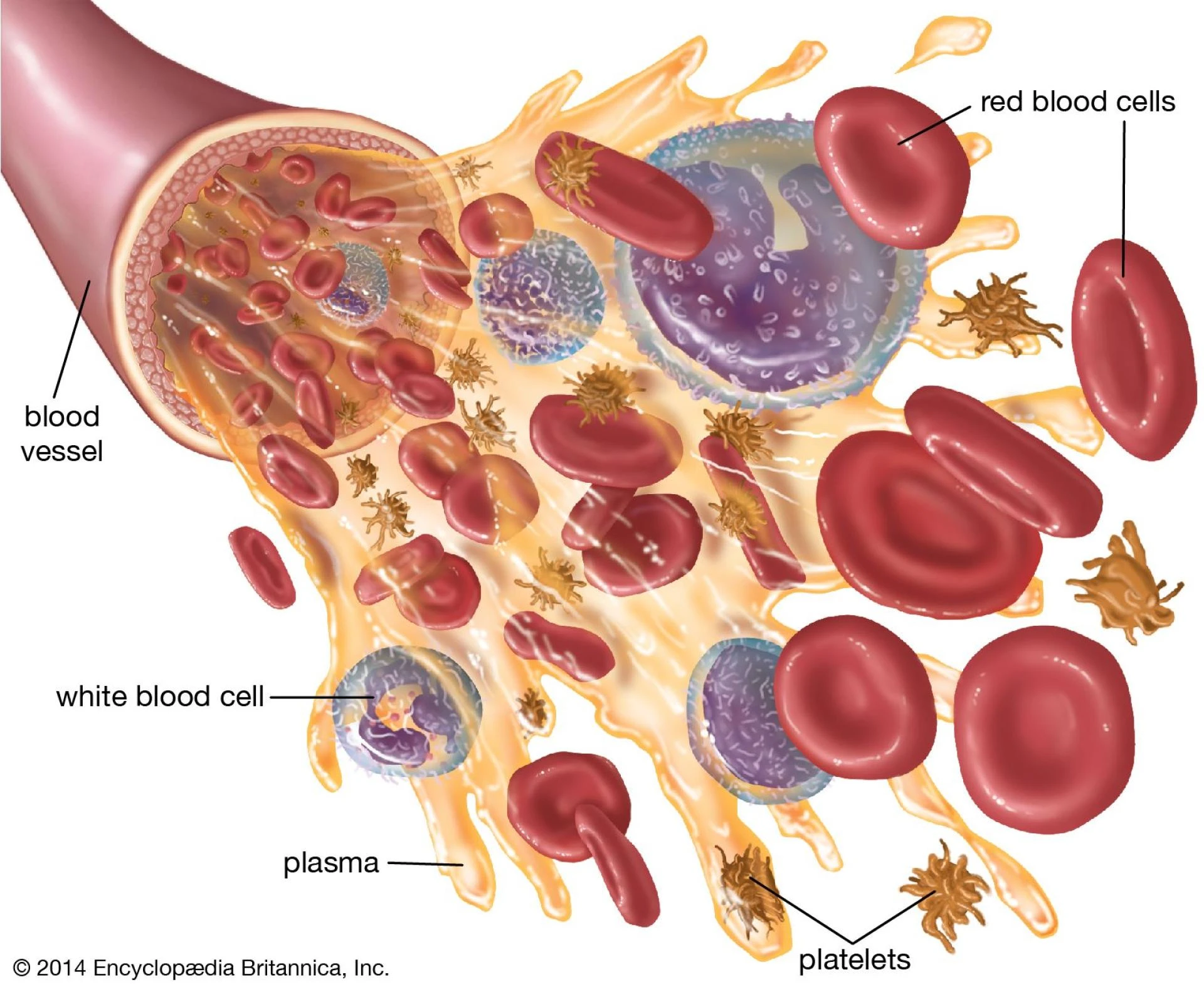
White blood cells (WBCs), also known as leukocytes, are essential components of the immune system. Their primary role is to defend the body against both infectious disease and foreign invaders.
Without them, the human body would be extremely vulnerable to bacteria, viruses, fungi, and parasites. These cells originate from the bone marrow and circulate throughout the body in the bloodstream and lymphatic system, constantly on patrol for pathogens.
Understanding how white blood cells protect the body from infection involves examining the types of WBCs, their individual roles, how they recognize threats, and how they interact with other components of the immune system.
For patients with weakened immune systems, such as those undergoing chemotherapy or recovering from surgery, medical interventions like antibiotics from a ceftriaxone injection supplier may be necessary to assist in infection control.
Types of White Blood Cells
There are five main types of white blood cells, each with a unique function
- Neutrophils
- Neutrophils are the most abundant type of WBC and are the first responders to microbial infection. They are especially effective against bacteria and fungi. Once they detect a threat, they engulf and destroy the pathogen through a process called phagocytosis.
- Lymphocytes
- Lymphocytes include T cells, B cells, and natural killer (NK) cells. T cells help orchestrate the immune response and kill infected host cells. B cells produce antibodies that bind to antigens, marking them for destruction. NK cells target and kill virus-infected cells and tumor cells.
- Monocytes
- Monocytes are large WBCs that migrate into tissues and become macrophages or dendritic cells. Macrophages consume pathogens and dead cells, while dendritic cells help activate T cells by presenting pieces of pathogens (antigens).
- Eosinophils
- Eosinophils combat multicellular parasites and contribute to allergic reactions. They release toxins that can destroy invaders too large to be engulfed.
- Basophils
- Basophils release histamine during allergic responses and inflammation. Although rare, they are vital for certain immune system functions, especially related to allergic reactions and parasitic infections.
The Process of Defense
1. Recognition
White blood cells identify foreign invaders through surface proteins called antigens. These are unique to each pathogen. The immune system can distinguish between self and non-self by recognizing these antigens. When a foreign antigen is detected, the immune system is triggered.
2. Activation
Once a pathogen is recognized, white blood cells release chemical signals, such as cytokines, to activate more immune cells. This creates an immune cascade, recruiting various WBCs to the site of infection.
3. Destruction
Neutrophils and macrophages engulf pathogens. Cytotoxic T cells release enzymes that puncture infected cells. NK cells detect cells with abnormal surfaces and destroy them. Meanwhile, B cells generate antibodies, which neutralize pathogens or mark them for destruction by other cells.
4. Memory
Some B and T cells become memory cells after an infection has been cleared. These cells remain in the body for years, enabling a faster and more effective response if the same pathogen attacks again.
When White Blood Cells Need Help
Although WBCs are incredibly effective, some infections can overwhelm the immune system. In such cases, medical intervention is necessary. Antibiotics play a crucial role in reducing the burden on white blood cells, allowing them to regain control. For bacterial infections, especially in hospital settings, physicians often rely on broad-spectrum antibiotics like ceftriaxone.
The Role of Ceftriaxone in Infection Management
Ceftriaxone is a third-generation cephalosporin antibiotic used to treat a wide variety of bacterial infections, including pneumonia, urinary tract infections, meningitis, and sepsis. It is administered via injection, making it suitable for serious infections that require immediate action.
Hospitals and pharmacies often rely on trustworthy ceftriaxone injection suppliers to ensure a steady supply of this life-saving drug.
Suppliers provide ceftriaxone in sterile vials for intravenous or intramuscular injection. These products must meet stringent quality standards to ensure safety and efficacy, particularly for immunocompromised patients whose WBC function may be compromised.
In the context of immune response, ceftriaxone doesn't replace white blood cells but rather works in tandem with them. While the antibiotic disrupts the bacterial cell wall, weakening the pathogen, WBCs mop up the remnants and prevent reinfection. This synergistic relationship highlights the importance of both natural immunity and pharmaceutical support.
White Blood Cells in Special Populations
Certain individuals have compromised immune systems, either due to genetic disorders, chronic illnesses, or medical treatments such as chemotherapy. These patients are at heightened risk of infections. In such scenarios, even minor bacterial invasions can become life-threatening.
Prophylactic or therapeutic antibiotic treatments are often initiated in these cases, and a reliable ceftriaxone injection supplier becomes a critical partner in healthcare. The ability to access sterile, properly dosed injections quickly can mean the difference between recovery and escalation of disease.
Boosting White Blood Cell Function
While the body produces WBCs naturally, their efficiency can be enhanced through various lifestyle choices:
- Nutrition: Diets rich in vitamins A, C, and E, as well as zinc and iron, support immune health.
- Exercise: Moderate physical activity boosts circulation and helps immune cells move through the body efficiently.
- Sleep: Adequate rest enhances immune function and WBC response times.
- Hydration: Proper fluid intake helps maintain blood volume and lymphatic drainage, which support WBC circulation.
- Vaccination: Vaccines prime white blood cells to recognize and respond more quickly to pathogens.
Conclusion
White blood cells are the body’s frontline defenders against infections. Their ability to detect, respond to, and remember pathogens is vital for maintaining health. In many cases, their efforts alone are enough to prevent disease. However, when infections escalate or the immune system is compromised, medical intervention becomes necessary.
That’s where antibiotics like ceftriaxone come into play. Sourced from reputable ceftriaxone injection suppliers, these drugs are essential tools in modern medicine. They work hand in hand with white blood cells to fight infections effectively and ensure patient survival.
In the ever-evolving landscape of medicine, understanding the roles of both natural immune defenses and pharmaceutical support remains key. White blood cells may be microscopic, but their impact on our health is massive and when backed by the right treatments, their power is nearly unstoppable.