Solar for residential use in Illinois is more than a way to save electricity. It can protect your home when the power goes out. Blackouts can leave homes in the dark, stop appliances from working, and make daily life hard. A well-built solar system can keep lights, refrigerators, and other important devices running even when the main power is off. With the right system, your family can stay safe, comfortable, and connected during any outage.
How Solar Panels Keep Your Lights On
Not all solar systems work during blackouts. Standard panels turn off for safety. But modern systems with batteries and automatic switches keep the electricity flowing. This means your lights, security alarms, and important appliances can stay on without interruption.
Some systems have microinverters or smart controls that let each panel work independently. This ensures that even if one panel is blocked by shade or dust, the rest continue producing electricity. These features make your home more reliable during an outage, giving you peace of mind knowing that critical systems remain powered.
Batteries: Your Home’s Power Reserve
Batteries store electricity made by solar panels during the day. When the power goes out, these batteries provide electricity to your home. Bigger batteries can keep fridges, lights, and medical devices running for hours or days.
Many homes use stackable batteries, which means you can add more storage as your energy needs grow. Smart battery systems make sure the most important devices get power first, like medical equipment or your internet router. Some batteries even communicate with the solar panels, adjusting power use to last longer during emergencies.
Using Power Smartly
New solar systems can manage energy automatically. They keep essential appliances running and turn off less important devices. This saves battery power, so it lasts longer. Using power smartly means your home can stay functional even during long blackouts.
For example, running your dishwasher or washing machine can wait until power is abundant, while your fridge and lights stay on. Smart systems can even schedule charging for phones or laptops when sunlight is strongest, making sure nothing important is left powerless.
Protecting Your Electronics
When power returns after a blackout, sudden surges can harm electronics. Solar systems with battery backup often have surge protection. This keeps computers, TVs, and medical devices safe from damage and saves you repair costs.
Some systems include voltage regulators, which keep the electricity steady and prevent flickers or spikes. This is especially important for sensitive equipment like home office computers, security cameras, and smart home devices. Protecting electronics ensures your home runs safely, no matter what happens with the grid.
Planning for Longer Outages
Some blackouts can last a long time. Homes with solar power can plan which devices need power the most. Batteries and smart management help your home use electricity wisely.
For longer outages, homeowners can use load prioritization. This means only running the most important appliances first. Lights, water pumps, medical devices, and refrigeration take priority, while devices like TVs or non-essential electronics can wait. Planning in this way ensures that your family remains safe, food stays fresh, and daily life continues with minimal disruption.
Picking the Right System Size
Not all solar systems provide the same protection. Panels, batteries, and inverters must match your home’s needs.
A professional assessment can calculate how much energy your household uses in a typical day and during emergencies. The right system keeps your home safe and working during blackouts. Oversizing the system slightly is also helpful, providing extra power for unexpected events or increased future needs. The correct setup balances energy production, storage, and usage efficiently.
Watching Your Power in Real Time
Advanced solar systems let you see your electricity use in real time. You can check how much battery is left, which devices are using power, and when it needs recharging.
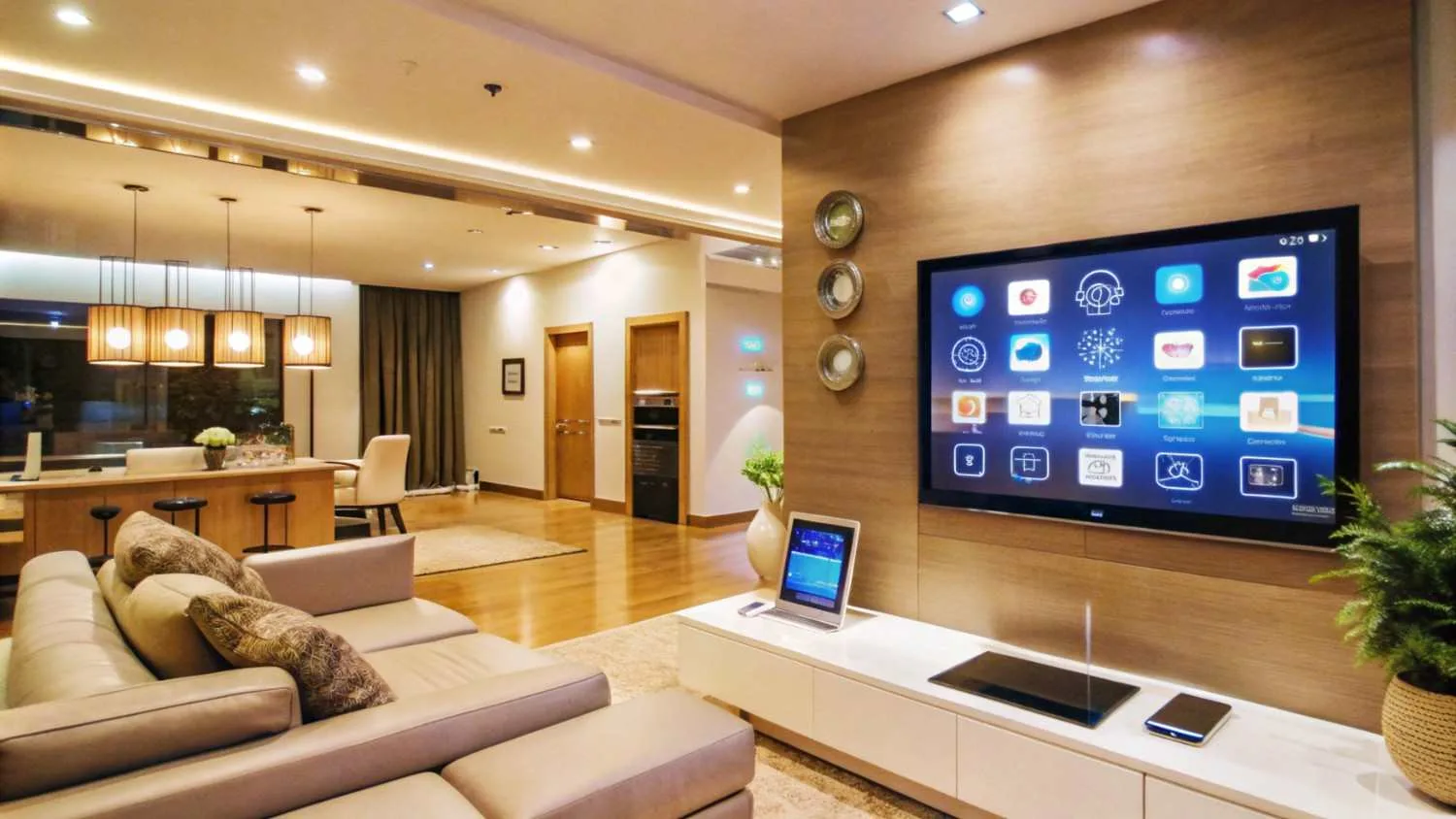
Some systems provide mobile apps or control panels that show energy flow at a glance. You can monitor daily usage, track battery levels, and even get alerts if something is wrong. This insight allows homeowners to adjust energy use instantly, preventing power shortages and making the system easier to manage during blackouts.
Getting Expert Installation
Solar systems need a proper setup to work correctly. Experts can place panels, connect batteries, and set up safety switches.
Professional installation also ensures wiring, inverters, and safety mechanisms meet industry standards. Solar installation can provide a system built to keep your home running during blackouts. This guarantees your home is protected, your devices are safe, and your system works efficiently for years. Experts also guide homeowners on maintenance schedules, helping the system last longer and perform better over time.
Final Touch:
Beyond installation, homeowners can take simple steps to make the system more reliable. Keeping panels clean, checking batteries regularly, and testing automatic switches can prevent unexpected failures. Combining smart energy planning, proper maintenance, and expert setup ensures your home is always ready for power interruptions.
Don’t wait for a blackout to leave your home powerless. Contact solar installation near St. Louis today to design a solar system that keeps your family safe, powers your essential devices, and provides uninterrupted electricity whenever you need it.