
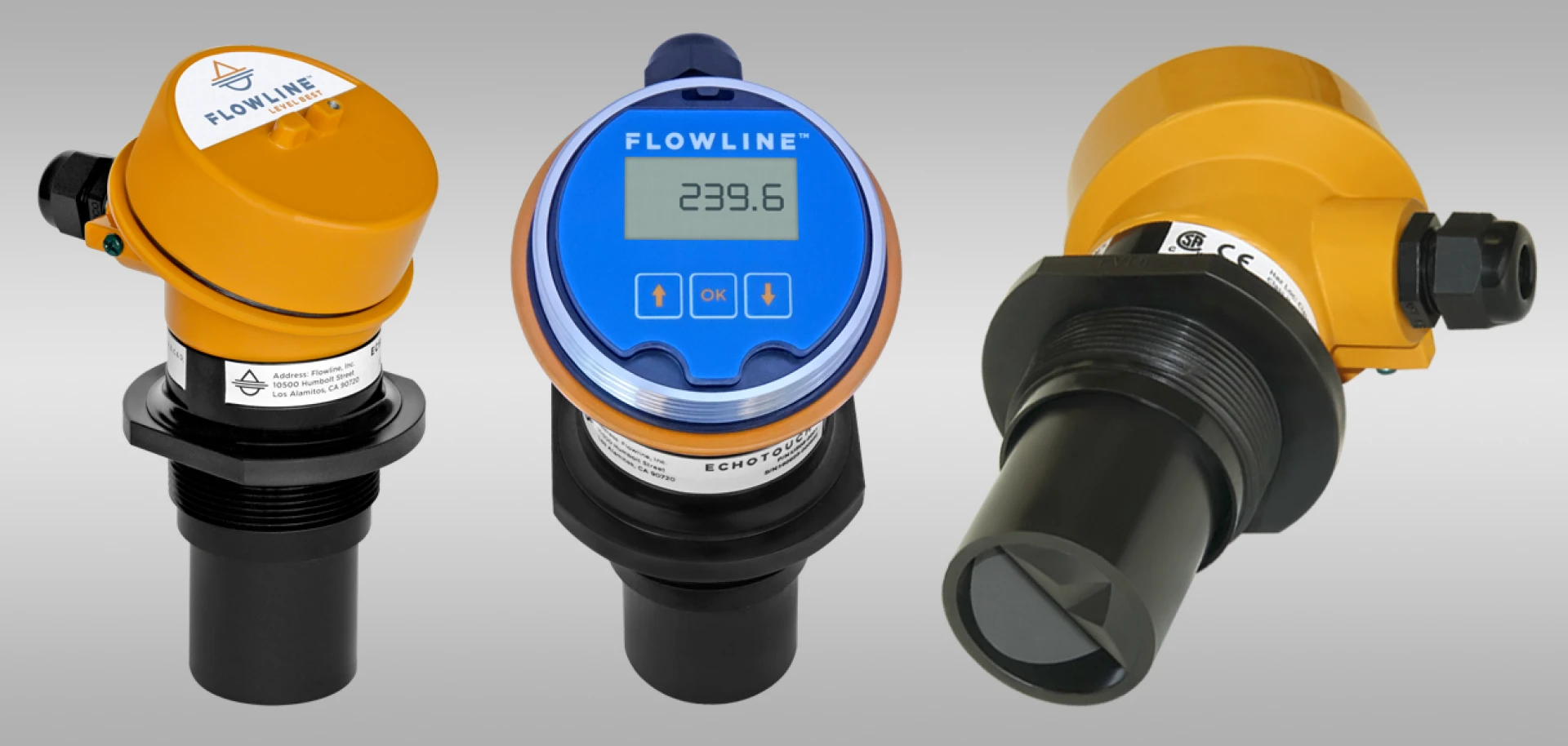
Liquid level sensors are vital in detecting and measuring the amount of liquid inside a container, system, or tank. We may not always notice them, but they play a big role in our daily lives. You’ll find them in washing machines, coffee makers, fuel stations, factories, oil refineries, and water tanks. Their main job is to monitor the level of liquid and ensure it stays within a safe or desired range.
For example, you’ve placed a water tank on your rooftop. Now, to know when it’s about to overflow or when it’s running dry, you’ll need a sensor. And if you don’t have a sensor, you might not get this information, which could lead to several problems. That’s why liquid sensors are so helpful, as they automatically check the level for you and send signals if the tank is too full or too empty.
There are many types of sensors available, each with a different working mechanism for measuring liquid level. Let’s learn more about liquid-level sensors, including their working procedure and their uses.
What is a Liquid Level Sensor and Why Is It Important?
As mentioned above, a liquid level sensor tells you how much liquid is present inside a tank, container, or pipe. Some sensors that detect the liquid at a specific point are known as point level measurement sensors. These sensors tell you when the liquid has reached a certain level, such as full or empty. On the other hand, some sensors that monitor the level continuously are called continuous level measurement sensors. These sensors provide you with the exact readings of how much liquid is present at any time.
The importance of liquid level sensors cannot be overstated in many industries and everyday systems for various good reasons.
1. They prevent overflows, which can cause spills, safety hazards, and product loss.
2. They help ensure that systems don’t run dry, which could damage machines like water pumps or engines.
3. They automate the monitoring process, reducing the need for manual labour.
4. They control the amount of liquid used or stored, which saves resources.
Industries like food production, medicine, and chemicals rely on these sensors for accurate liquid level control. In case the wrong amount of liquid is added to a mix, the final product could be ruined or unsafe. That’s why liquid level sensors are extremely important for ensuring quality and safety.
What are the Different Types of Liquid Level Sensors?
There are different types of liquid level sensors. Some work inside the tank, while others are placed outside to work. Let’s understand the most common types.
Float Sensors
Float sensors are one of the simplest and oldest types of small sensors that float on the surface of the liquid. As the level of liquid rises or falls, the float moves with it and activates a sensor or switch. This tells the system whether the tank is half, full, or empty. While float sensors are reliable and affordable, they can be affected by thick or sticky liquids.
Ultrasonic Sensors
These sensors send out sound waves that return from the surface of a liquid. They measure the time taken by the sound to return and then use that time to calculate the distance to the liquid. As they don’t need to touch the liquid, they’re great for dangerous or corrosive liquids.
Capacitive Sensors
These sensors are used to detect changes in electrical capacitance when a liquid is present. The sensor has two conductive plates, and when liquid comes in contact with it, it changes the way electricity is stored between them. This change is used to measure the level. You can use capacitive sensors with many types of liquids and even through tank walls.
Radar Sensors
Radar sensors are commonly used in industries like oil, gas, and chemicals. They work like ultrasonic sensors but use radio waves instead of sound waves. They play a major role in big tanks, especially when steam or foam might mess with the sound waves.
Optical Sensors
Optical sensors use light to detect liquid. Their working mechanism is simple: When there’s no liquid, the light reflects back, and when there is liquid, the light changes or bends direction. Due to their small size and quick performance, optical sensors are used in things like coffee machines and medical devices.
Conductive Sensors
Conductive sensors are used to conduct electricity using the ability of a liquid. These sensors have metal probes, and when liquid touches them, they complete an electrical circuit. They work best with liquids like water, but not so well with oils or fuels.
Final Thoughts!Finally, liquid level sensors are smart and valuable tools that help keep our homes, industries, and machines running smoothly. They save time, reduce guesswork, and prevent problems like dry or overflow operations. By understanding how they work, their types, and their uses, you can make an informed decision when buying them.
Be it a simple float in your water tank or a high-tech radar sensor in an oil refinery, these sensors play a valuable role in managing liquids safely and efficiently.