
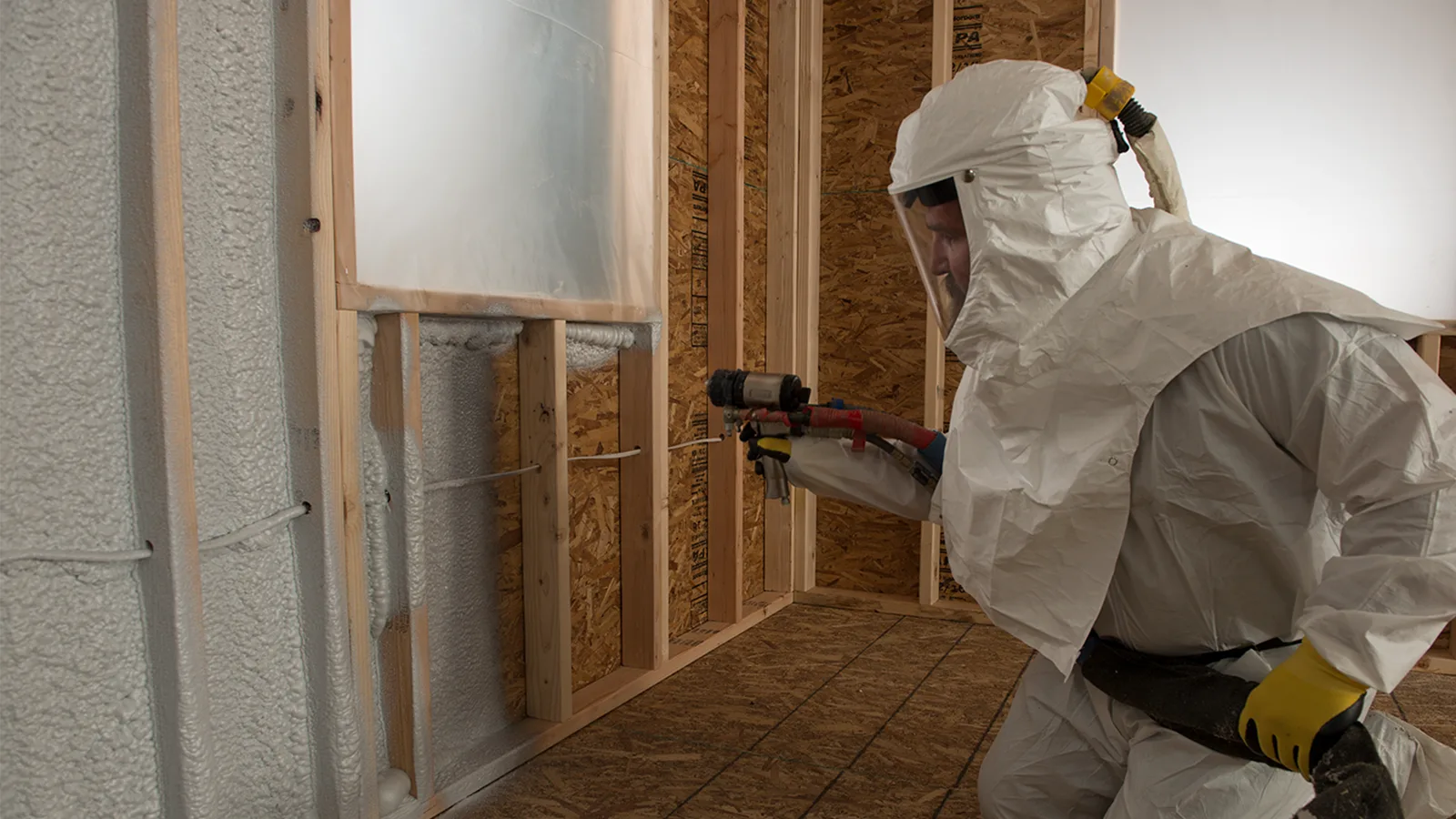
Closed-cell foam provides a thermal resistance of approximately R-6 to R-7 per inch of thickness. In the high-desert climate of Klamath Falls, this translates to high thermal efficiency even in thin applications. Using Closed-Cell Foam R-Values as your guide allows you to achieve local energy code requirements with less bulk than traditional materials.
This guide explores how thickness impacts performance and why regional factors matter for your project. Understanding the closed-cell spray foam insulation R-value helps you plan effective upgrades for homes or commercial shops. Professionals in the field rely on these specific metrics to ensure buildings stay warm during freezing Oregon winters.
Measuring Thermal Resistance in Closed Cell Systems
The closed-cell foam R-value per inch is significantly higher than open-cell or fiberglass options. While fiberglass might offer R-3.5 per inch, closed-cell products often double that performance. This happens because the blowing agents trapped within the dense cells resist heat flow better than stagnant air.
In Klamath Falls, where winter temperatures frequently drop below freezing, high R-values are necessary. You can often achieve the same insulating power in a two-inch wall cavity that would require six inches of traditional batting. This efficiency saves space and allows for thinner wall assemblies in custom builds.
- Closed-cell foam acts as a built-in vapor retarder.
- It adds structural strength to the wall or roof deck.
- The material rejects bulk water, making it ideal for flood-prone or damp areas.
- Air sealing occurs simultaneously with insulation application.
How Much Thickness Do You Need for Local Compliance?
Local building codes in Southern Oregon generally require specific R-values for different parts of a structure. For example, a ceiling might need R-49, while walls might require R-21. When calculating your Closed-Cell Foam R-Values, you simply multiply the depth of the foam by its rated value per inch; for high-target areas like ceilings, this often requires maximum thickness.
Applying three inches of foam to a wall typically yields an R-value between 18 and 21. This often satisfies code requirements without needing extra exterior foam board. Because the material expands and hardens, it fills every gap that might otherwise leak cold air during a windy Klamath Basin afternoon.
Closed-Cell Foam Thickness Comparison
Thickness (Inches)Estimated R-ValueCommon Application Area1 InchR-6 to R-7Condensation control in metal shops2 InchesR-12 to R-14Basement walls and crawlspaces3 InchesR-18 to R-21Standard exterior residential walls5 InchesR-30 to R-35Vaulted ceilings or roof decks7 InchesR-42 to R-49Flat ceilings and high-efficiency attics
Bonus Tip: If you are insulating a metal building, even one inch of closed-cell foam can prevent the "sweating" caused by temperature shifts between the interior and the cold Klamath Falls night air.
Why the First Inch Matters Most
The initial layer of spray foam provides the most significant jump in performance because it establishes the air seal. While Closed-Cell Foam R-Values In Klamath Falls, OR continue to stack as you add inches, the first inch stops the convection that accounts for major heat loss. After the air barrier is set, additional inches purely focus on slowing down heat conduction through the material itself.
Regional Weather Impacts on Insulation Performance
Klamath Falls experiences a massive temperature swing between day and night. Closed-cell foam excels here because its density prevents the "thermal looping" often found in loose-fill insulation. When the wind picks up across the Link River, the closed-cell spray foam insulation R-value remains stable because wind cannot penetrate the cured material.
Property owners also see benefits during the hot, dry summers. The high R-value keeps the intense high-altitude sun from heating up the living space. This dual-season performance makes it a favorite for those looking to lower their monthly utility bills year-round.
Factors to Review Before You Start Your Project
Before choosing a thickness, you must look at the structural limits of your building. Since closed-cell foam is heavy and rigid, it might not be the best fit for very old, fragile lath-and-plaster walls without professional oversight. You also need to consider the age of your wiring, as foam can trap heat around older electrical components. To ensure a safe and effective install, consider the following:
- Check the depth of your wall studs (2x4 vs 2x6).
- Assess the moisture levels in your crawlspace or basement.
- Identify if you need a thermal barrier (like drywall) over the foam.
- Determine if you are aiming for minimum code or "Above Code" performance.
Bonus Tip: Always ensure your project site is dry before application. Moisture on the substrate can interfere with the foam's ability to bond, which can lower the effective Closed-Cell Foam R-Values in those spots.
How Thickness Affects Your Total Cost
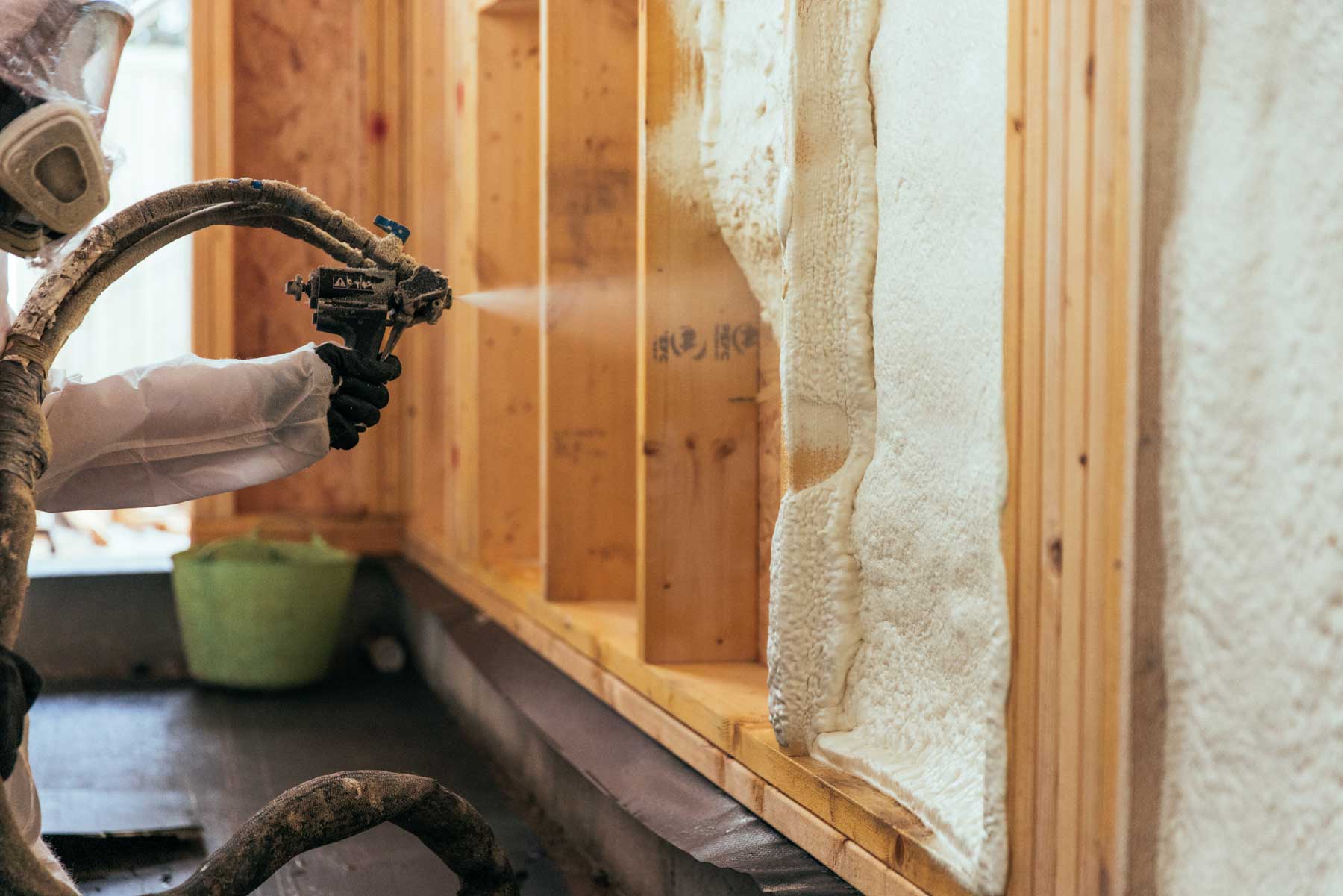
While the material cost for closed-cell foam is higher than other types, the labor often balances out. You spend less time on secondary air-sealing tasks. When you look at the closed-cell foam R-value per inch, you realize you are buying a 3-in-1 product: insulation, air barrier, and vapor barrier.
For many in Southern Oregon, the long-term savings on heating oil or electricity justify the initial investment. Thinner layers are cheaper but might require you to supplement with other materials to meet code. Thick layers provide the best performance but require more raw material and specialized equipment to apply correctly.
Consult with Experts for a Custom Home Evaluation and Free Quote
Selecting the right insulation depth involves more than just reading a chart. It requires an understanding of local building science and how your specific home breathes. If you are unsure how many inches of foam your attic or crawlspace needs, reaching out to a professional service provider is a smart move. They can look at your current setup and suggest a plan that maximizes your comfort while staying within your budget. For personalized help in the Klamath Falls area, you can contact All Foam & Insulation, LLC by calling (541) 826-9600 or emailing [email protected] to request a free quote and get expert advice on your project.
Achieving Lasting Results with Proper Application
R-values are only as good as the installation. If the foam is not mixed at the right temperature or if the layers are applied too quickly, the material may not reach its full thermal potential. Working with experienced technicians ensures the Closed-Cell Foam R-Values you expect are actually achieved on-site.
Once installed, this insulation does not sag or settle over time. Unlike fiberglass, which can lose its effectiveness if it gets damp or compressed, closed-cell foam maintains its R-value for the life of the building. This permanence makes it a one-time upgrade that pays for itself through decades of reduced energy waste and improved indoor air quality.
Can I use closed-cell foam in my existing walls?
It is difficult to use in finished walls because it expands with a lot of pressure. It is best used during renovations when the wall studs are exposed so it can be applied evenly.
Does closed-cell foam lose its R-value over time?
There is a slight drop called "aging" during the first few years as blowing agents settle, but it remains much higher than other materials and then stays stable for decades.
Is closed-cell foam better than open-cell for soundproofing?
Closed-cell is denser and better at blocking low-frequency noise, but open-cell foam is generally preferred for absorbing mid-range sounds like voices because of its softer structure.
How does humidity in Klamath Falls affect the foam?
The dry climate is generally good for application. Once cured, the foam is unaffected by humidity and helps keep outdoor moisture from entering your home through the walls.
Can I paint directly over the foam?
Yes, you can paint it, but in living spaces, building codes usually require you to cover it with a thermal barrier like half-inch gypsum board for fire safety.