
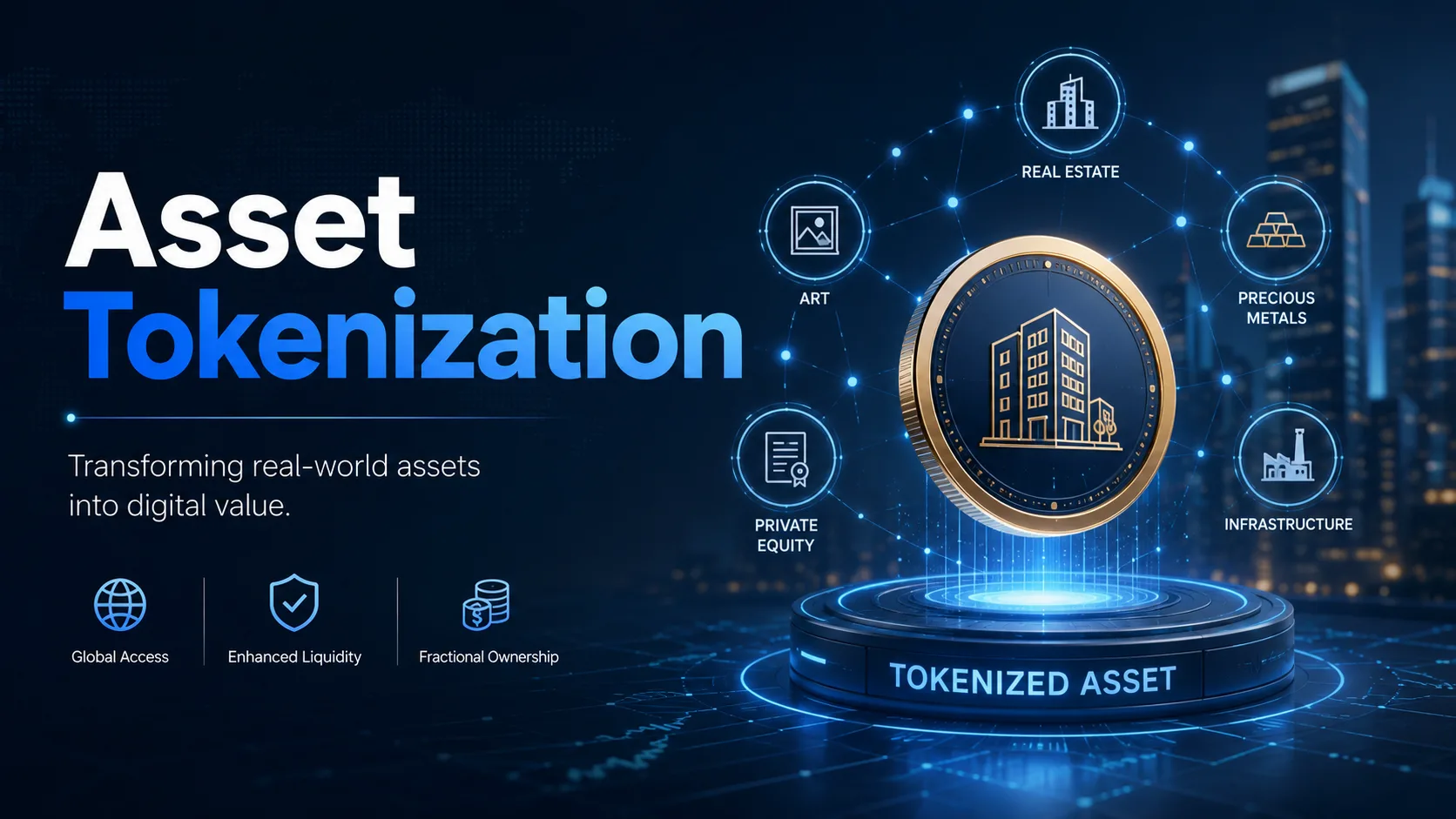
For decades, real estate investment has largely been associated with high capital requirements, lengthy transaction cycles, complex legal procedures, and limited market accessibility. Purchasing property traditionally required substantial upfront funding, direct ownership management, and long investment horizons, making participation difficult for many investors.
Asset-backed real estate tokens are changing this model by introducing blockchain-based ownership structures that make property investment more accessible, flexible, and efficient. Instead of purchasing entire properties, investors can acquire digital tokens that represent ownership rights or economic exposure to underlying real estate assets.
This transformation is reshaping how individuals and institutions participate in property markets.
Understanding Asset-Backed Real Estate Tokens
Asset-backed real estate tokens are blockchain-based digital assets linked to physical real estate. These tokens derive their value from underlying properties such as residential developments, commercial buildings, industrial facilities, land holdings, or income-generating real estate portfolios.
Each token may represent:
- Fractional ownership in a property
- Economic rights to income generated by an asset
- Revenue-sharing structures tied to property performance
- Participation in appreciation of asset value
Smart contracts govern issuance, ownership transfers, distributions, and transaction rules, creating a programmable investment environment.
How Asset-Backed Tokens Change Property Access
1. Lowering Capital Barriers Through Fractional Ownership
One of the most significant changes introduced by asset-backed tokens is fractional ownership. Traditional real estate often requires large investment amounts that limit participation to wealthy individuals or institutional investors. Tokenization divides ownership into smaller digital units, allowing investors to participate with significantly lower capital commitments. This expands access to property markets and enables more investors to build diversified real estate exposure.
2. Making Real Estate More Accessible Across Geographic Boundaries
Conventional property investment often requires local market knowledge, legal processes, and physical involvement.
Asset-backed tokenization enables investors to participate in opportunities across different regions through digital investment infrastructure. Property exposure becomes more accessible without requiring direct management or local operational presence.
This broadens participation and supports more globally connected investment markets.
3. Improving Liquidity in Traditionally Illiquid Markets
Real estate has historically been difficult to buy and sell quickly.
Asset-backed tokens introduce more flexible ownership structures where investors may transfer portions of their holdings rather than exiting entire property positions.
Improved liquidity changes investor behavior by making property investment more adaptable and reducing long-term capital lock-in.
4. Enabling Portfolio Diversification
Traditional property investment often concentrates capital into a limited number of assets. Tokenization allows investors to allocate smaller amounts across multiple property categories, locations, and asset strategies. This diversification can reduce concentration risk and create more balanced portfolio construction opportunities.
How Tokenization Changes the Investment Experience
1. Faster Participation and Onboarding
Traditional property acquisition can involve extended documentation, manual verification, and settlement delays. Tokenized investment systems streamline onboarding through digital verification and automated ownership allocation, reducing friction in the investment process.
2. Increased Transparency
Blockchain technology creates transparent ownership records and transaction histories. Investors gain improved visibility into asset structures, transaction activity, and ownership movements, helping create greater confidence in investment participation.
3. Reduced Operational Complexity
Direct property ownership often requires property management, maintenance oversight, leasing coordination, and administrative effort. Asset-backed tokens separate investment participation from operational responsibilities, allowing investors to focus on capital allocation rather than day-to-day asset management.
4. Greater Investment Flexibility
Traditional real estate investments frequently require long commitment periods.
Tokenized structures provide greater flexibility in entering, adjusting, or exiting positions depending on investment objectives and market conditions.
The Role of Technology in Expanding Property Access
Blockchain Infrastructure
Blockchain creates a secure and immutable ledger for recording ownership and transactions.
Smart Contracts
Smart contracts automate ownership transfers, investment execution, and distribution mechanisms.
Digital Asset Platforms
These platforms provide investors with tools for onboarding, portfolio monitoring, and participation in tokenized property opportunities.
Business and Market Implications
For Investors
- Lower entry requirements
- Broader geographic access
- Improved liquidity opportunities
- Increased portfolio diversification
For Real Estate Businesses
- Expanded investor reach
- Faster capital formation
- More flexible fundraising structures
- Increased market participation
Together, these changes contribute to a more open and scalable property investment environment.
Use Cases Demonstrating the Shift
Residential Real Estate
Investors gain access to housing assets without purchasing entire properties.
Commercial Property
Office spaces and retail developments become accessible to a broader range of participants.
Industrial and Logistics Assets
Warehouses and industrial facilities can attract diversified capital sources.
Land and Development Projects
Early-stage property development becomes more accessible through fractional investment structures.
Challenges That Still Exist
Despite the opportunities, asset-backed tokenization continues to face challenges:
- Regulatory uncertainty in different jurisdictions
- Variations in legal recognition of digital ownership
- Market liquidity development
- Investor education requirements
- Integration with existing property systems
Addressing these areas will be important for broader adoption.
Future Outlook: Property Markets Becoming More Accessible
As tokenization infrastructure matures, property investment is expected to become increasingly digital and participation-driven.
Emerging developments may include:
- Global marketplaces for tokenized property
- Automated compliance frameworks
- AI-enhanced property analysis
- Interoperable real estate investment ecosystems
Over time, investors may access real estate with the same flexibility currently associated with digital financial assets.
Conclusion
Asset-backed real estate tokens are changing how investors access property by lowering barriers, improving liquidity, enabling diversification, and creating more flexible investment structures.
Rather than requiring direct ownership of entire assets, investors can participate through digital ownership models that expand access across capital levels and geographic markets.
As adoption grows, tokenized real estate is expected to play an increasingly important role in building a more accessible and efficient property investment ecosystem.