
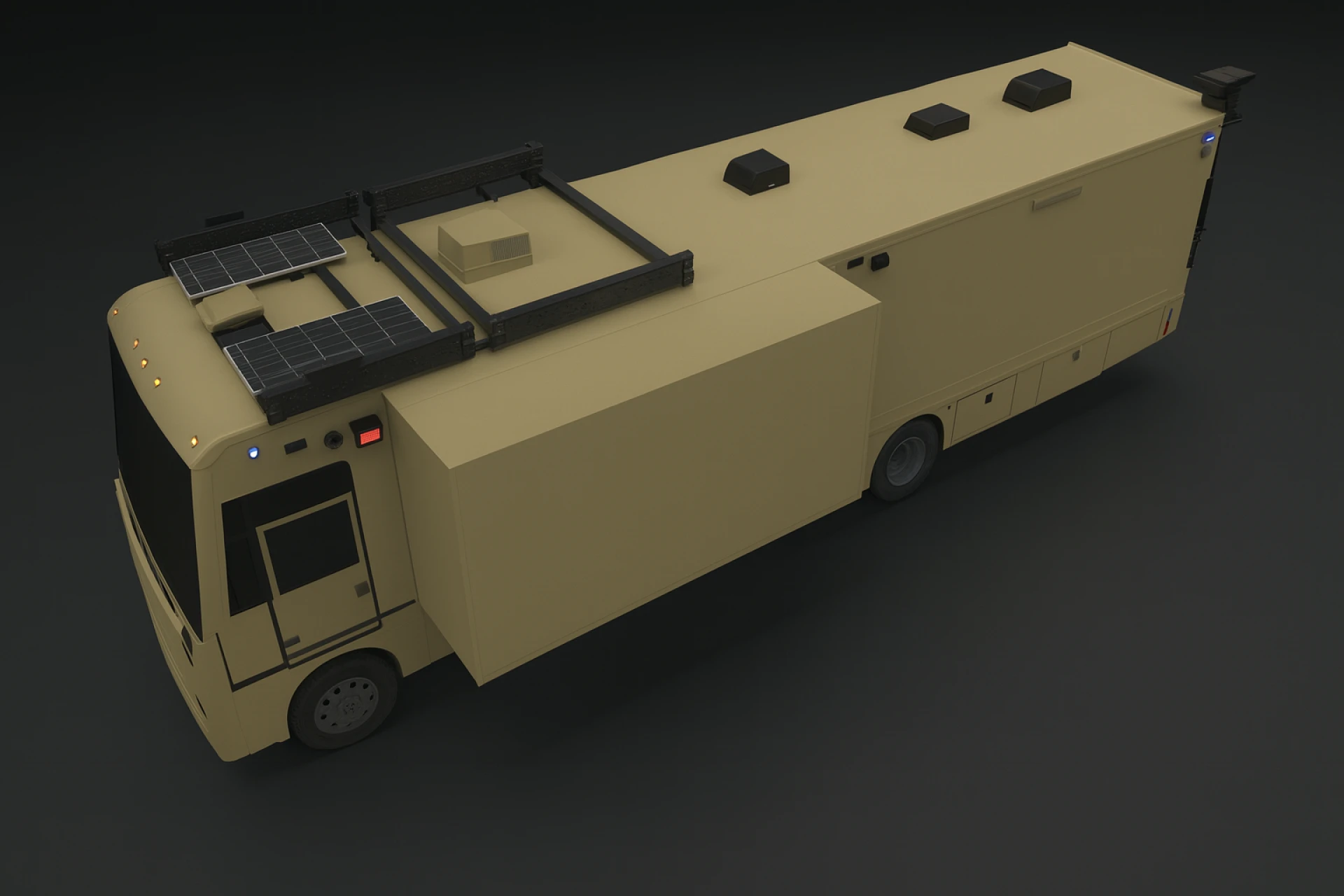
Water rescue operations are often complex and time-sensitive. When accidents happen in rivers, lakes, or coastal areas, emergency teams must respond quickly and work in difficult conditions. A well-equipped dive rescue trailer helps teams manage equipment, organize divers, and operate more efficiently during search missions. By bringing essential tools and support systems directly to the scene, these trailers play a key role in improving the success and speed of water search and rescue efforts.
Faster Access to Critical Diving Equipment
In water emergencies, rescuers cannot afford delays while collecting or transporting equipment. A dive rescue trailer stores all diving gear in one mobile unit, allowing teams to respond faster.
When the trailer arrives at the scene, divers can immediately prepare for the mission. Instead of unpacking scattered equipment from multiple vehicles, everything is already arranged inside the trailer.
Typical equipment stored in these trailers includes:
- Scuba tanks and regulators
- Dry suits and thermal protection gear
- Masks, fins, and dive helmets
- Underwater search lights
- Safety ropes and marking buoys
Because these items are kept together in a structured system, divers can begin search operations much sooner.
Better Planning and Coordination at the Scene
Search and rescue missions often involve several teams working together. Police units, fire departments, and rescue divers may all be present during a water emergency. A dive rescue trailer helps create a central point where the operation can be organized.
Team leaders can use the trailer area to plan dive rotations, track diver activity, and manage communication. Many trailers include whiteboards, lighting, and equipment workspaces that allow teams to prepare gear and discuss the next steps.
This organized environment helps reduce confusion and keeps everyone focused on the same rescue plan.
Improved Underwater Search Methods
Searching underwater is very different from searching on land. Visibility is often poor, and divers must rely on careful search patterns to locate objects or victims.
A dive rescue trailer supports these methods by carrying specialized search tools such as:
- Underwater metal detectors
- Sonar devices for scanning the water floor
- Marker buoys for identifying search areas
- Waterproof communication systems
With these tools available on site, divers can perform structured search patterns such as grid searches or circular searches more effectively. This improves the chances of finding missing persons or evidence quickly.
Support for Long and Difficult Rescue Missions
Some water rescue operations can last many hours or even several days. Divers may need to rotate shifts while equipment is cleaned, checked, and prepared again.
A well-designed dive rescue trailer provides space and systems that support these long missions. Inside the trailer, teams may have equipment racks, drying areas, and workbenches for inspecting gear between dives.
This setup allows rescue teams to:
- Maintain diving equipment properly
- Prepare backup gear for the next diver
- Reduce downtime between search attempts
When equipment management becomes easier, teams can continue operations without unnecessary interruptions.
Increased Safety for Divers
Safety is always the highest priority in underwater operations. Divers face risks such as cold water, debris, and limited visibility. A dive rescue trailer helps improve safety by keeping protective equipment ready and easy to access.
Important safety items stored in the trailer may include:
- Backup breathing systems
- Emergency oxygen kits
- Thermal blankets and first aid supplies
- Spare masks, gloves, and protective suits
Having these resources available at the rescue site helps teams respond quickly if a diver experiences difficulty underwater.
Mobility for Different Rescue Locations
Water emergencies can happen in many places—urban rivers, rural lakes, reservoirs, or coastal regions. Some of these areas may not have nearby diving facilities.
Because a dive rescue trailer can be towed by emergency vehicles, it brings all essential diving resources directly to the location. This mobility makes it easier for rescue teams to operate even in remote or hard-to-reach areas.
By reducing travel time and equipment transport challenges, teams can focus on the search mission itself.
Wrapping Up
Water search and rescue missions require planning, equipment, and teamwork. A dive rescue trailer improves efficiency by organizing tools, supporting divers, and creating a central location for operations. With faster equipment access, better coordination, and stronger safety support, these trailers help emergency teams work more effectively during challenging underwater rescue situations.
FAQs
1. What is a dive rescue trailer used for?
A dive rescue trailer is used to transport diving equipment and support tools needed for underwater search and rescue operations during emergencies in lakes, rivers, or coastal areas.
2. How does a dive rescue trailer improve rescue efficiency?
It keeps equipment organized, allows quick deployment at the scene, and provides a central location where divers can prepare gear and coordinate underwater search operations.
3. What equipment is usually stored in a dive rescue trailer?
Most trailers carry scuba tanks, wetsuits, masks, fins, underwater lights, safety ropes, sonar tools, communication systems, and medical supplies needed during rescue missions.
4. Who typically uses dive rescue trailers?
Fire departments, police dive units, search and rescue teams, and public safety organizations commonly use dive rescue trailers for underwater investigations and emergency responses.
5. Can dive rescue trailers be used in remote areas?
Yes. Because they are mobile and towable, dive rescue trailers allow emergency teams to bring specialized diving equipment directly to remote lakes, rivers, or coastal locations.