
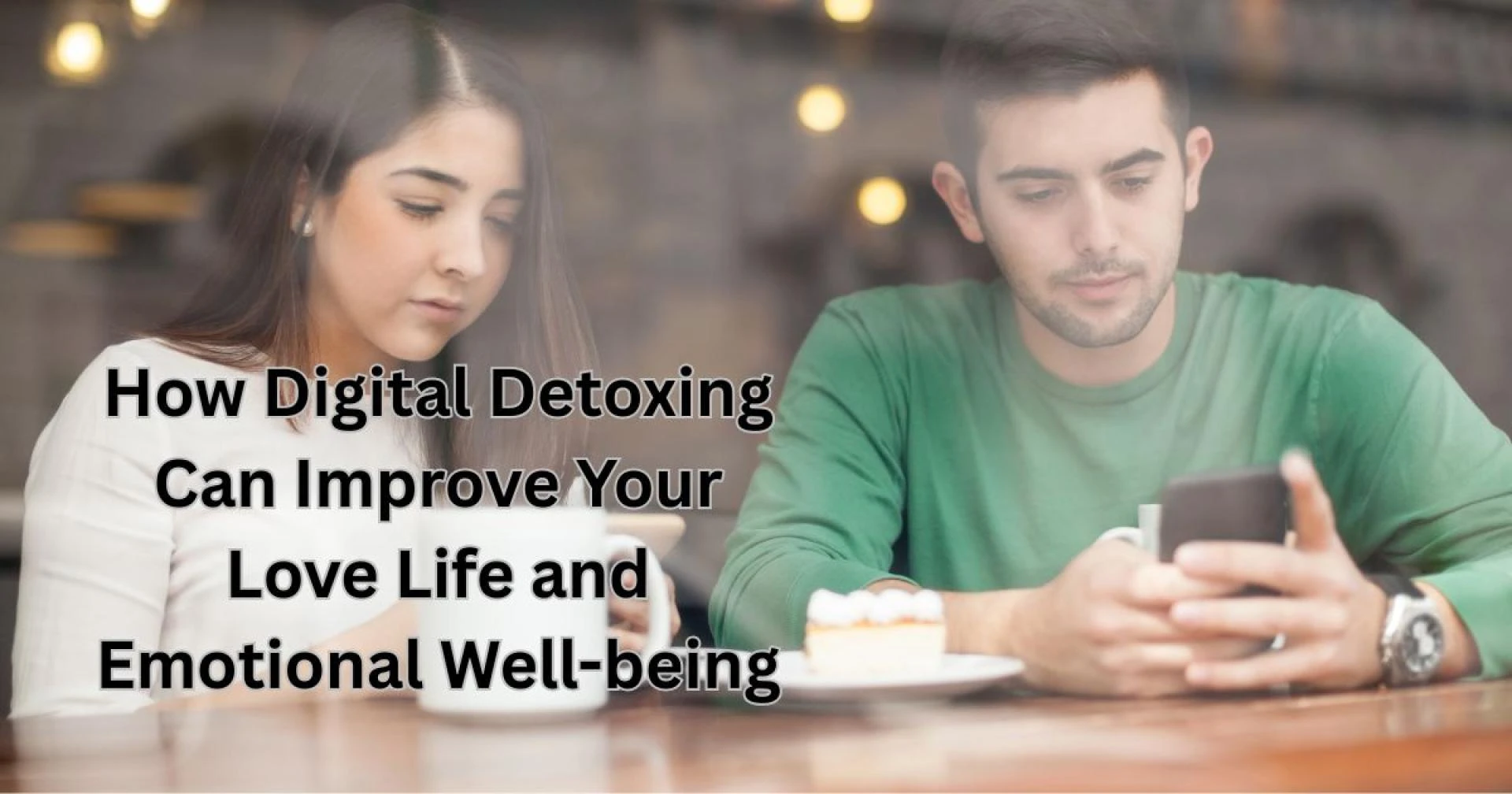
In today's hyper-connected world, most of us spend more time looking at screens than into the eyes of our loved ones. With constant notifications, endless scrolling, and work bleeding into personal hours, our relationships are silently taking the hit. What if the key to reigniting intimacy and reclaiming emotional clarity lies in something as simple as a digital detox?
Taking time away from screens isn’t just a productivity hack—it’s a powerful shift toward emotional restoration. As more health and wealth blogs highlight the connection between screen time and emotional exhaustion, it’s becoming clear that unplugging can be the missing piece in improving relationship satisfaction and mental clarity.
Why Tech Fatigue Is Draining Your Relationship
Technology has undoubtedly brought convenience, but it’s also built invisible walls between partners. Studies now link tech overuse with decreased emotional intimacy and increased conflict. When couples scroll side by side without interaction, they slowly drift apart—even if they're in the same room.
Being constantly connected to the outside world leaves little room for connection at home. Messages go unread, emotional cues get missed, and quality time is replaced with passive scrolling. No wonder love and mental health relation experts are urging couples to take intentional breaks from screens.
Reclaiming Emotional Space Through Digital Detoxing
Think about your last meaningful conversation. Was it uninterrupted? Free from digital distraction?
Digital detoxing creates the emotional breathing room necessary to listen, understand, and empathize more deeply. When you put down the phone, you open the door to more present, fulfilling relationships. And this doesn’t only benefit your romantic partner—your entire emotional ecosystem thrives.
For those recovering from heartbreak, creating boundaries with devices can serve as a cornerstone for healing. It helps you move away from obsessive checking, overthinking, and emotional dependence on social media updates. As part of healing after breakup, detoxing is a self-care decision with lasting results.
Science-Backed Benefits for Mental and Emotional Health
Unplugging isn’t just good for your love life; it’s great for your brain. According to emerging neuroscience research, digital detoxing helps regulate cortisol levels, improve emotional regulation, and support better sleep—all essential components of emotional health advice.
Sleep, in particular, is often the first casualty of screen addiction. Blue light exposure from devices can interfere with melatonin production, which in turn affects how rested and emotionally balanced you feel. By choosing screen-free evenings, you’re not just investing in better rest—you’re embracing natural sleep health solutions that restore your body and mind.
Additionally, digital breaks promote a reflective state of mind. This fosters healthier communication patterns and improves stress resilience—key pillars of stress management advice that benefit both individuals and relationships.
Digital Detoxing and Self-Discovery
For many, the journey of healing from a toxic or emotionally draining relationship begins with silence. Not the cold, distant kind—but the peaceful, present kind that comes with turning the phone off and tuning inwards.
Whether you’re trying to heal from toxic relationship wounds or simply seeking more meaning in your current one, disconnecting can reconnect you to your needs, values, and emotions. It's a moment to re-evaluate what intimacy means to you, what you need to feel secure, and how you want to give and receive love.
This process of self-reflection often aligns with broader mental well being tips that therapists recommend for people struggling with emotional burnout, anxious attachment, or poor communication cycles in love.
Building Better Habits for Long-Term Connection
Building digital boundaries isn’t about going off the grid forever. It’s about creating intentional rituals that prioritize connection. Couples who implement device-free dinners, weekend social media fasts, or nighttime screen curfews often report deeper intimacy and greater life satisfaction.
These seemingly small decisions contribute to healthier aging too. Just like a skincare routine or fitness habit, mindful unplugging supports long-term emotional resilience—making it one of the most underrated yet powerful healthy aging tips.
And don’t think this applies only to older generations. Millennials and Gen Z, driven by celebrity relationship news and constant digital comparisons, are beginning to recognize the emotional fatigue that comes from endless scrolling. Influencers themselves are now advocating for boundaries, proving that digital wellness is more than just a trend.
How to Start Your Digital Detox Journey
Here are some practical health self care tips to ease into a detox:
- Designate phone-free zones like the bedroom or dinner table.
- Turn off push notifications for non-essential apps.
- Schedule tech-free hours daily or weekly.
- Replace screen time with shared hobbies or mindfulness exercises.
- Track screen time to raise awareness and adjust accordingly.
You don’t have to disappear from the digital world to feel better. But by becoming more intentional, you’ll find a sweet spot between connection and well-being.
Surprising Impact on Your Broader Health
While most people start detoxing to improve emotional intimacy or sleep, many report unexpected benefits in physical and social wellness too. Improved posture, better focus, reduced anxiety, and even enhanced creativity are common outcomes.
Even your lifestyle habits can get a positive makeover. For example, reduced digital fatigue may encourage trying out wellness trends like meditation, journaling, or exploring the latest hookah trends as a way to unwind more mindfully. Even enjoying the hookah benefits of calm social interaction can become part of a balanced self-care plan—when done intentionally and moderately.
Moreover, people report using the gained mental space to dive deeper into women health tips, holistic wellness strategies, and overall life satisfaction goals.
FAQ: Digital Detoxing and Emotional Well-being
Q: How long should a digital detox last to see benefits?
A: Even 24-72 hours of reduced screen time can yield noticeable improvements in emotional clarity, sleep quality, and connection.
Q: Will a digital detox help after a breakup?
A: Yes. Unplugging can help break attachment cycles, reduce anxiety, and offer the mental space needed for healing after breakup.
Q: Can a digital detox really improve my love life?
A: Absolutely. Less screen time means more quality time, which enhances emotional connection and relationship satisfaction.
Q: How do I maintain boundaries after detoxing?
A: Set tech rules as a couple—like phone-free meals or weekly check-ins—to maintain a healthy balance long-term.
Q: What if I rely on my phone for work?
A: Try a partial detox. Even brief unplugged intervals can make a difference in emotional well-being and productivity.
Are you ready to put your phone down and reconnect with what really matters? Share your digital detox experiences or goals in the comments below—we’d love to hear how unplugging has transformed your relationships and emotional clarity.