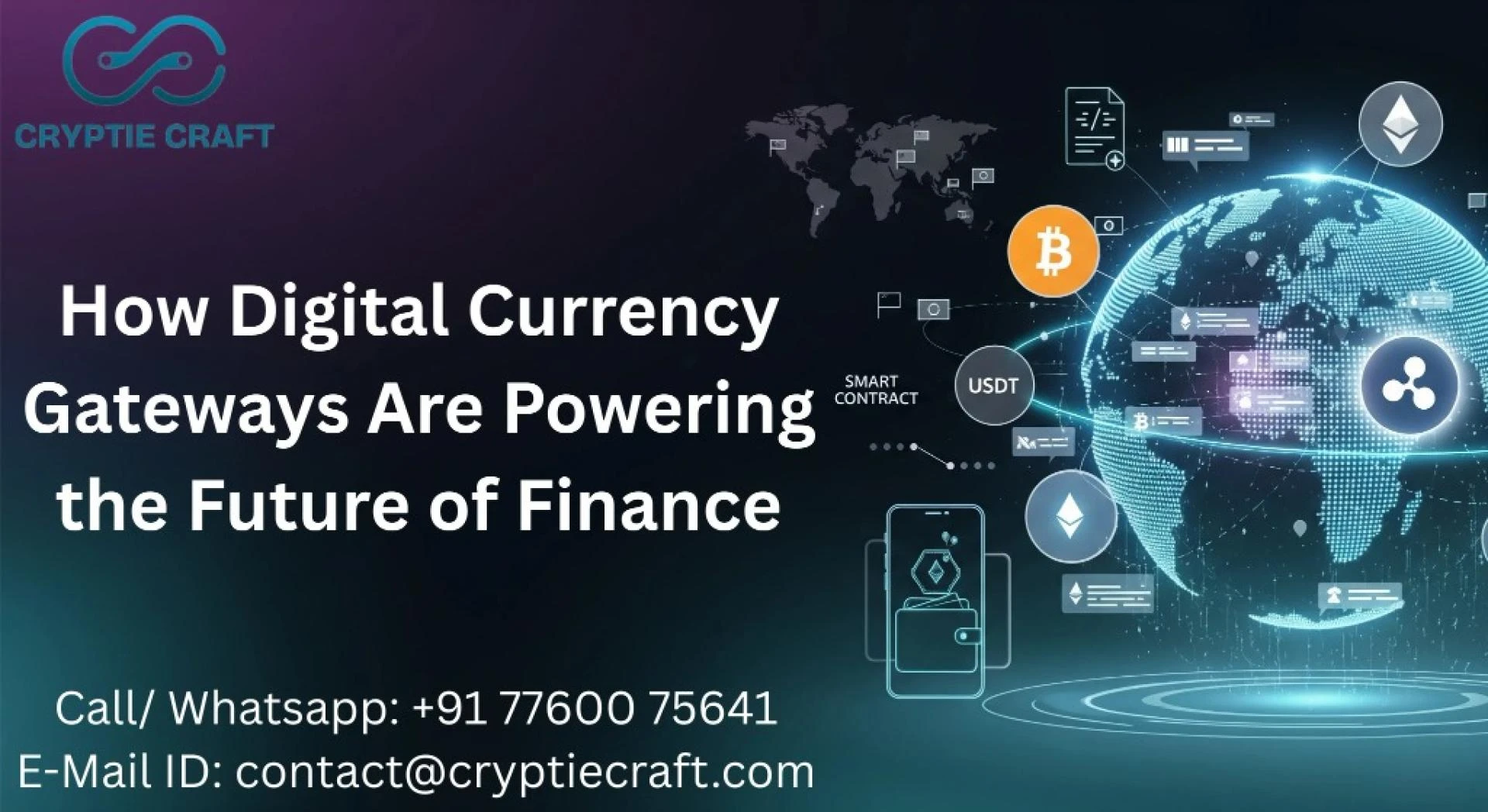
Money’s getting a makeover, and digital currency gateways are leading the charge. These aren’t just
apps for trading Bitcoin, they’re like the front door to a whole new way of handling cash, built on blockchain’s promise of speed and trust. In 2025, they’re changing who gets to play in the financial world, how we move money, and even what money can do. Let me walk you through what’s happening, with some stories to show why this matters.
So, What Are These Gateways?
Imagine a digital currency gateway as your go-to spot for crypto. It’s a platform—think Coinbase or Binance—where you can swap your dollars for Ethereum, send some Bitcoin to a buddy in another country, or stash your digital coins safely. Unlike the bank down the street, these run on blockchain, so everything’s out in the open and tough to mess with. Since Bitcoin kicked things off in 2009, gateways have blown up. They’re moving billions every day and even hooking up with big players like PayPal to make crypto feel less like a science experiment.
The shift is real. People are using less cash, and digital payments are through the roof, over $10 trillion globally last year, with crypto markets sitting around $1.2 trillion. Everyone’s after faster, cheaper ways to deal with money, and gateways are making it happen.
Why They’re a Big Deal
1. Letting Everyone In
There are about 1.7 billion people out there with no bank account. Gateways are their ticket to the game. In places like Ghana, I heard about a guy selling handmade jewelry who uses a platform called BitPesa. Customers from Europe pay him in Bitcoin through his phone, and he turns it into local cash in minutes. No bank, no problem. He’s now reaching buyers he’d never have met otherwise.
In countries where the local currency is a rollercoaster, gateways let people use stablecoins—crypto pegged to something steady like the dollar. A friend told me about her cousin in Zimbabwe who uses them to save up without inflation eating his money alive.
2. Zipping Money Around the World
Old-school bank transfers across borders are a slog, with days of waiting and fees that sting. Gateways cut through that. There’s this outfit called Ripple using its XRP coin to move money in seconds for next to nothing. Big banks are all over it, saving a fortune. Last year, they shuffled millions in transfers, turning what used to take days into a quick click.
Governments are catching on, too. China’s digital yuan is huge—millions of people use it for payments or trade across borders, with no delays. Gateways are what make that instant connection work.
3. Money That Thinks
Some gateways, like MetaMask, go beyond simple transfers. They let you tap into smart contracts, deals that run themselves on the blockchain. I know a photographer in Mexico who sold her photos as NFTs through a gateway. Every time one resells, she gets a cut; no middleman is needed. That’s a game-changer for creators.
Then there’s programmable money. Digital currencies can have rules baked in. Picture a government handing out digital cash that you’ve got to spend in a month, or it’s gone. Gateways are the tech that could make ideas like that real, maybe even revamping how we handle welfare or taxes.
4. Banking Without Banks
There’s this thing called DeFi, think lending or investing, but no bank is involved. Gateways are your way in. On platforms like Compound, you can lend your crypto and earn interest that beats any savings account. A buddy in Peru told me he put some stablecoins into a DeFi app through a gateway and made more in a week than his bank offered in a year. It’s not perfect, there’s a risk, but it’s shaking things up.
5. Straight-Up and Secure
Blockchain’s like a public diary, every deal’s recorded, and nobody can erase it. Gateways pile on extra safety, like wallets that need multiple keys to unlock. Businesses use this to keep things honest. A company called VeChain, for example, helps track shipments so everyone knows nothing’s been tampered with. Even India is testing a digital rupee through gateways to make money traceable and cut down on shady deals.
The Rough Spots
It’s not an easy street. Governments are still arguing over whether crypto is money or something else, which makes life tricky for gateways. Hackers are a constant headache; they see all that digital cash and want in. And privacy’s a sore point. Some folks worry China’s digital yuan lets the government snoop on every transaction. Gateways have to juggle keeping things secure, private, and legal, which is no small feat.
The Takeaway
Digital currency gateways are more than crypto trading posts. They’re letting people without banks join the economy, speeding up global money moves, and opening doors to ideas like DeFi and smart contracts. There are hurdles, regulations, hackers, and privacy debates, but the potential is massive.